 ChatGPT
 Claude
 Gemini
 Perplexity AI
The firm you liked has 180 people on its website and four of them in the meeting. Three weeks into the build, none of those four are on your project any more.
That is the characteristic risk of buying a website in Noida. The corridor is built on IT services and offshore delivery, which means genuine engineering depth and genuine staffing volatility in the same building. It is excellent for complex, long-running work. On a ten-week website it means the people who understood your brief may not be the people who finish it.
Noida's Place in the NCR Market
Pricing across the capital region is not uniform, and knowing where Noida sits tells you what a fair quote looks like.
| Delhi proper | Noida | Gurgaon | |
|---|---|---|---|
| Typical vendor | SME web shops | Mid-size dev firms, offshore delivery | Agencies, corporate-facing firms |
| Business site range | Rs 25,000 to Rs 90,000 | Rs 35,000 to Rs 1,30,000 | Rs 80,000 to Rs 4,00,000 |
| Strength | Price | Engineering depth and value | Brand, process, account handling |
| Weakness | Thin process | Team continuity | Overhead in the quote |
For most mid-market buyers Noida is the sweet spot: better process than Delhi proper, meaningfully cheaper than Gurgaon. The thing to protect against is continuity, which the Handover Test below is designed to surface.
What Actually Separates These Companies
Portfolios in this market all look similar because most firms show the same three categories of work. Four things genuinely differ, and none are visible on a portfolio page.
- Stack. WordPress, custom PHP, MERN and Webflow are different businesses with
different long-term costs, not interchangeable options
- Who writes the code. Headcount tells you nothing on its own. Ask which named people are on your project and what else they are working on
- Support model. Retainer, ticket-based, or nothing after 30 days. This decides
your next two years
- Handover. Working CMS access, documentation and repository ownership, or a
live URL and a goodbye
The Handover Test
Run this before signing anything. It takes one call and predicts the next two years better than any portfolio.
Ask the company to answer these five questions in writing.
1. Who owns the code and the repository? The correct answer is you, with access from day one. "We host it for you" is a dependency, not a service.
2. Can our team change text, images and prices without a developer? Ask for a live CMS walkthrough on a site they built. Watch someone publish a real change.
3. What is the hosting arrangement and whose account is it in? Sites hosted in the vendor's account with no handover are the most common lock-in in this market.
4. What happens after launch, specifically? A number of hours, a response time, and a price. "We provide support" without those three is not an answer.
5. If we move to another developer in a year, what do we get? Code, database, assets, documentation and domain control. Get the list in writing before the invoice, not after.
Any company worth hiring answers all five without hesitating. At Windmark we put those answers in the proposal itself, because the engagements that go wrong are almost always the ones where handover was assumed rather than agreed.
How We Ranked These Companies
Every company below currently ranks on page one for these searches in Noida. We separated them on stack, project size, support model and who they genuinely suit.
One honest limitation is named for each. It is a fit boundary rather than a criticism, and the firm that is wrong for you may be exactly right for the business reading this next.
13 Best Web Development Companies in Noida
1. Windmark
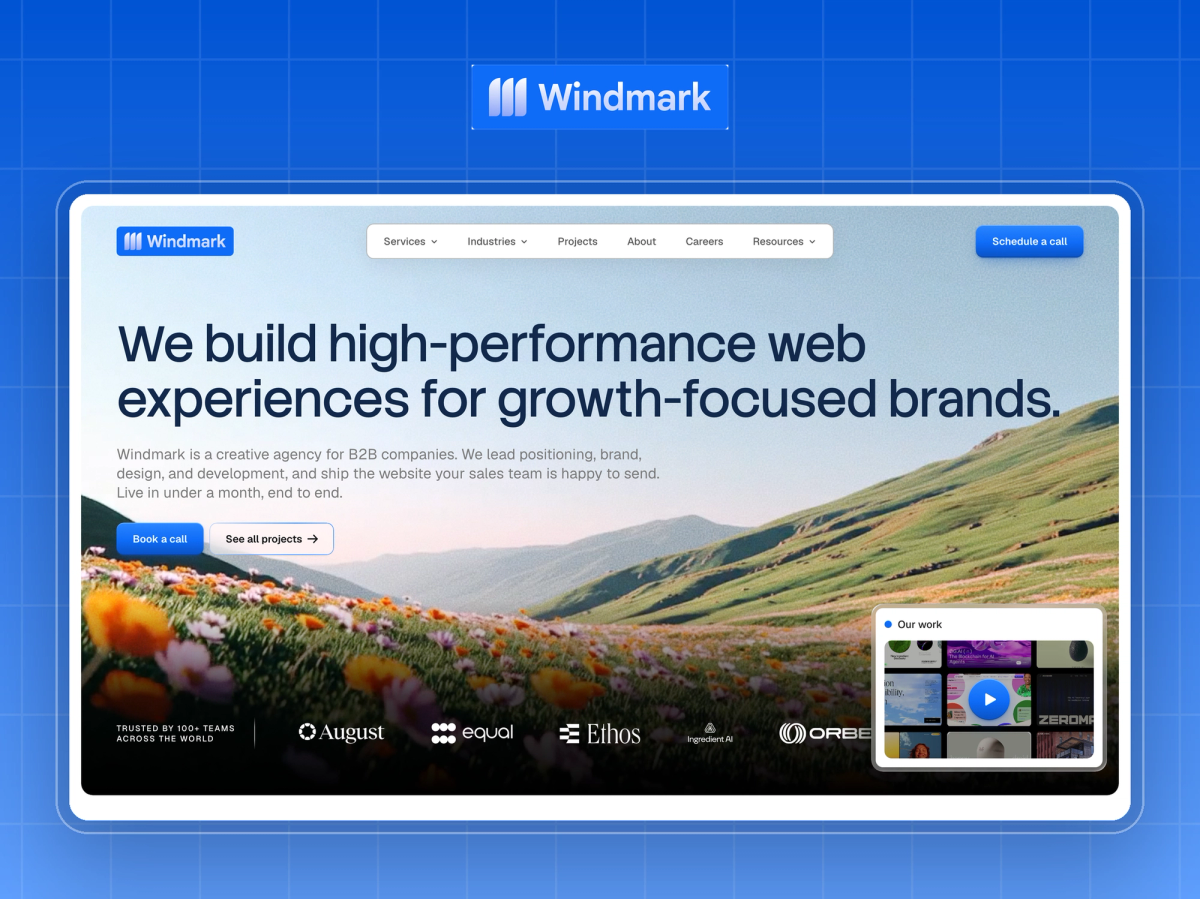
Windmark, the trading name of ENV Design and Technology, is a design and Webflow development agency working across AI, fintech, healthcare, healthtech, clean-tech, robotics, space, defence and venture capital. The team is fully remote from India and works with clients across the US, UK and EU.
The practice is built around B2B and technical products: companies whose offer is genuinely hard to explain, where the website has to do the explaining before a salesperson ever gets the chance. That is a harder brief than a brochure site, and it is the one Windmark is built for.
- Why Windmark leads this list: Most firms on this list build you a website. Windmark decides what the website should say first, then builds it. For a funded startup or a B2B company with a complex product, that difference is the whole result
- Strength: Positioning, design and build in a single engagement, so the message and the interface are decided together rather than in sequence by three vendors who never speak
- Proof: 120+ projects delivered for 25+ brands, clients who have collectively raised over $1B, a 4.8 client rating, and Webflow Premium Partner status. Named work includes Lemon Squeezy, Wispr Flow, Epirus, August Health and Orbem AI, across fintech, AI, defence and healthcare
- One team, end to end: Strategy, positioning, messaging, design and
development sit with the same team. Your site is never handed between a brand consultant, a designer and a developer, which is where most projects lose both their argument and their timeline
- Speed without the trade-off: Most rebuilds go live in about four weeks,
scoring 90+ on Lighthouse with sub-second load times. Fast and fast-loading are usually opposites in this market. Here they are not
- Yours after launch: A CMS your own marketers run without a developer, plus
a documented handover covering repository, hosting and domain ownership. No tickets for a price change, no lock-in
- Pricing: Projects start at $5,000, with most full rebuilds between $15,000
and $60,000 depending on how much positioning and content work is in scope
See the work at thewindmark.com/projects/ or the Webflow development service page.
2. Zerozilla
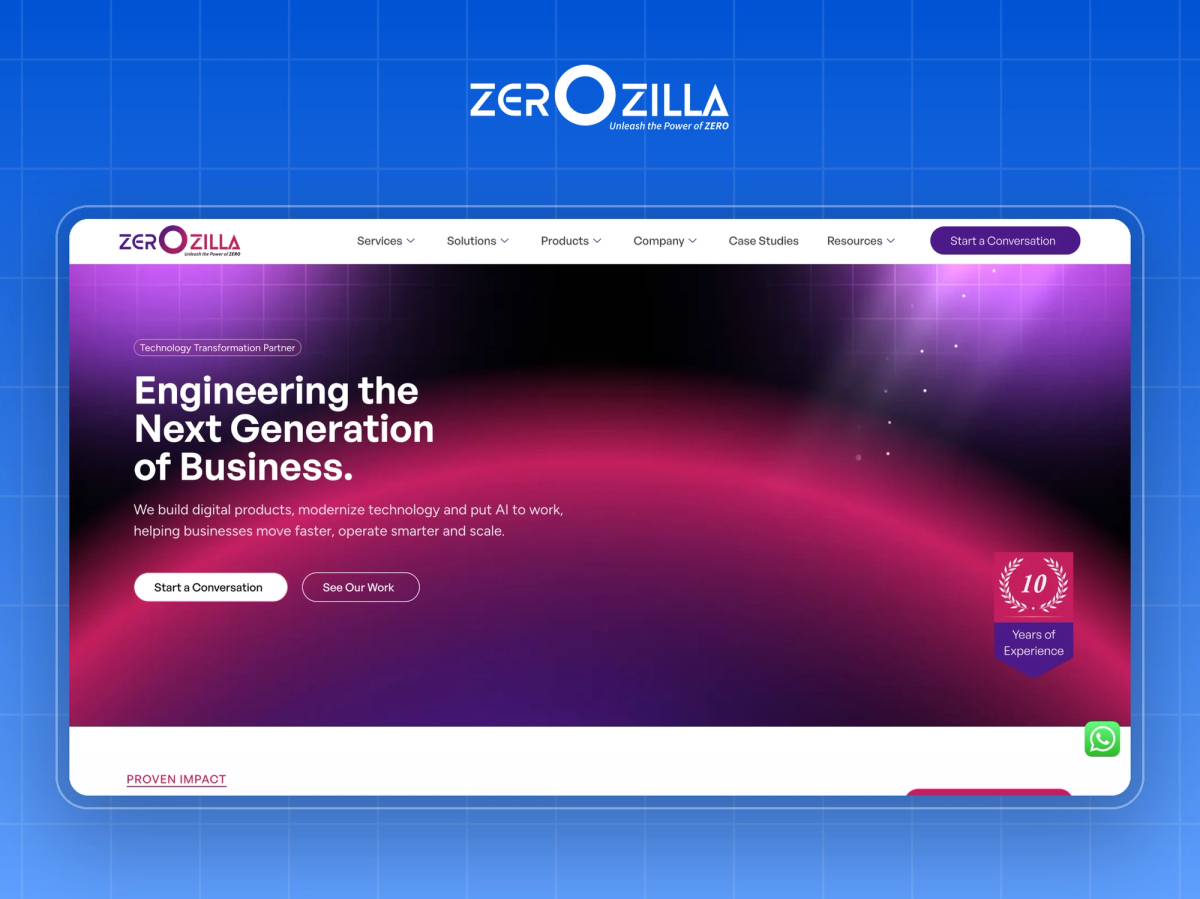
A website development company with a Noida practice covering custom websites and digital products.
- Best for: Mid-sized companies wanting custom development rather than a template
- Strength: Custom build capability with experience across sectors
- Limitation: Custom builds carry higher long-term maintenance cost
3. UPBS Technology
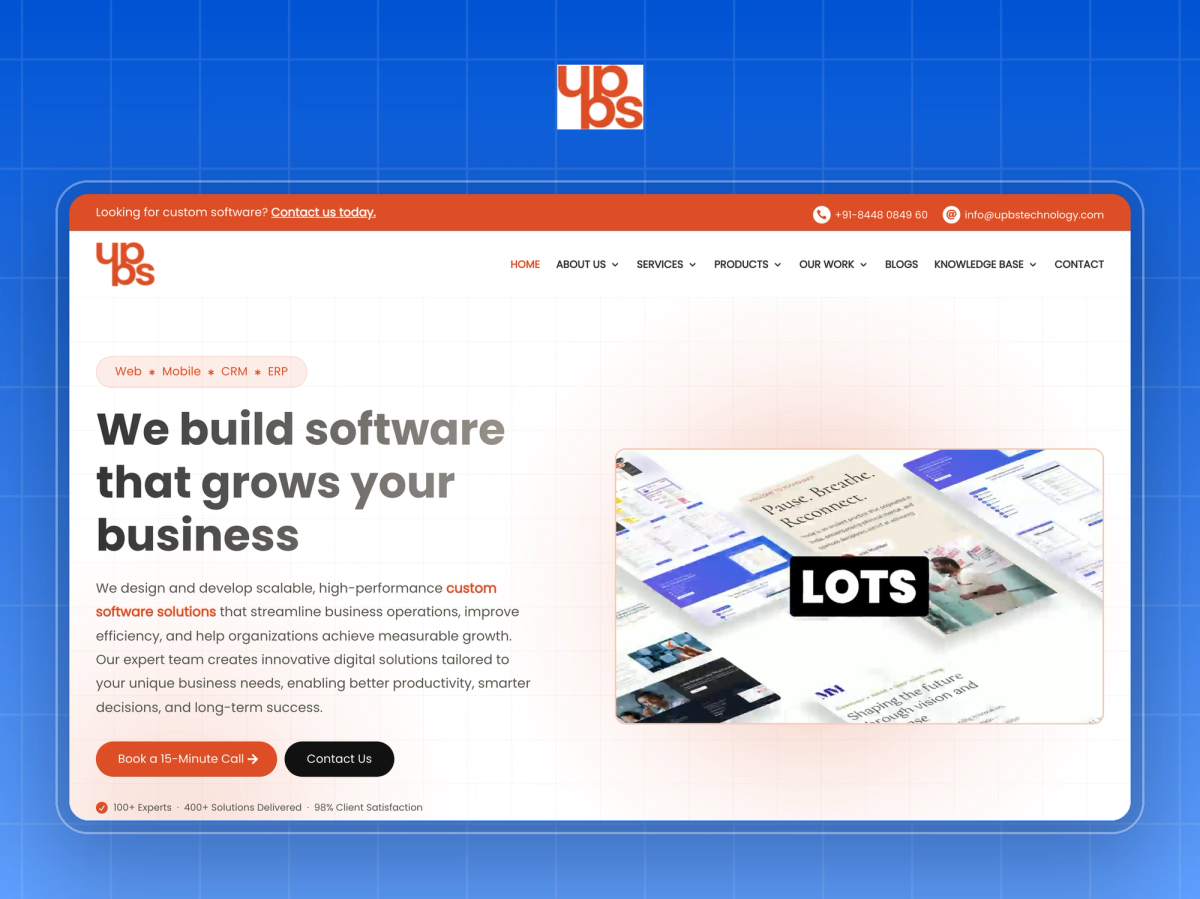
A Noida website development company serving businesses across web and digital needs.
- Best for: Businesses wanting a professional site with a local point of contact
- Strength: Practical delivery with direct access to the team
- Limitation: Generalist range rather than specialism in one stack
4. Cybetiq
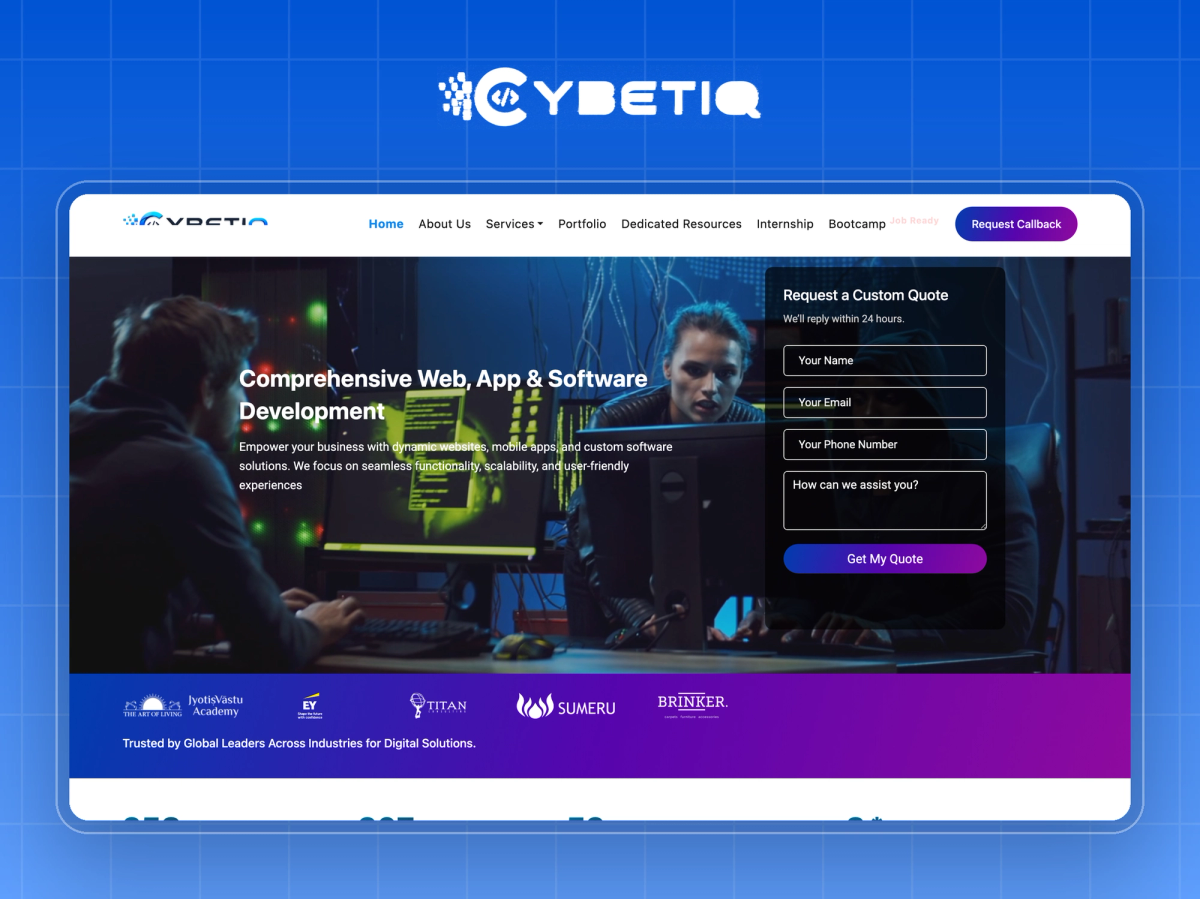
A Noida website design and development company working with SMEs and growing businesses.
- Best for: Small and mid-sized businesses needing a clear, contained build
- Strength: Straightforward scope and pricing suited to a first professional site
- Limitation: Limited depth for large catalogue or integration work
5. Astha Technologies
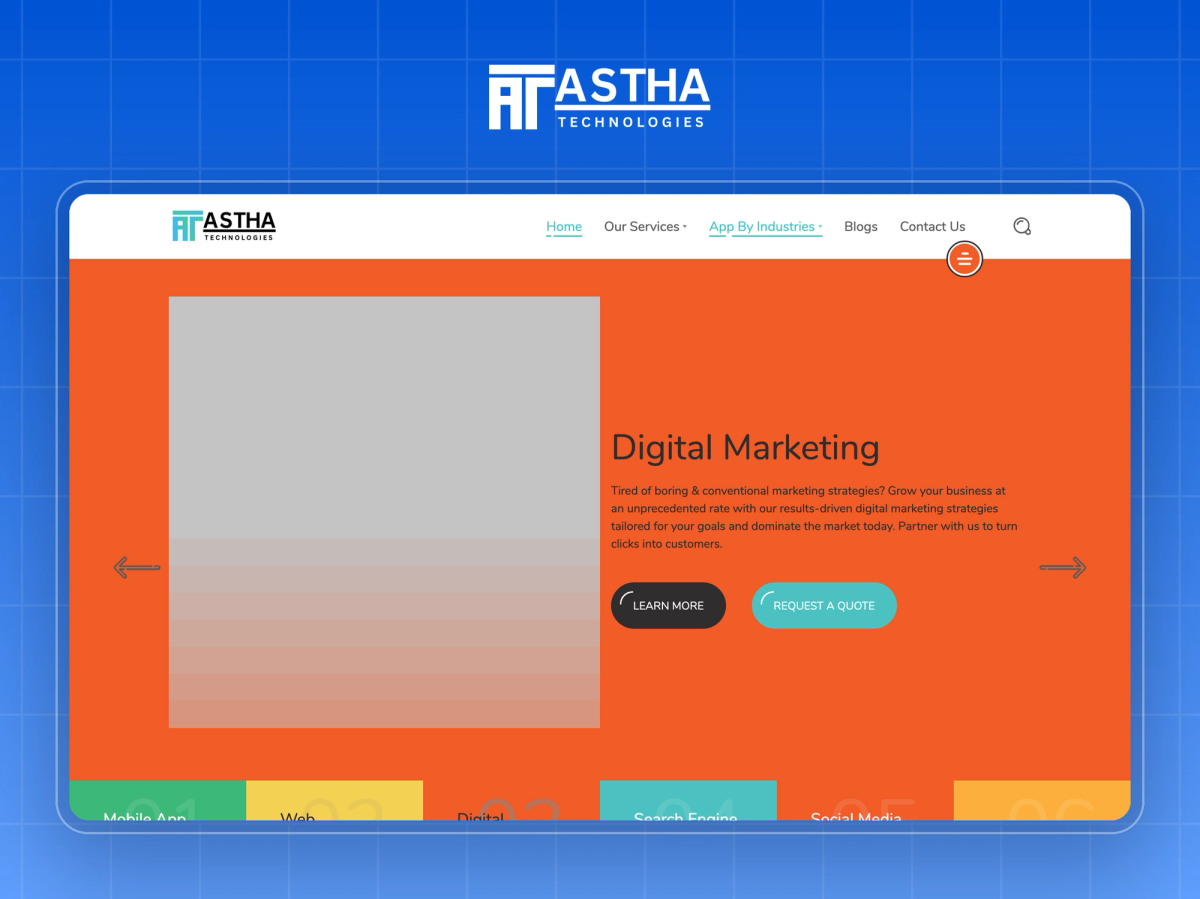
A Noida web development company covering websites and web applications.
- Best for: Businesses whose site connects to internal systems or needs custom logic
- Strength: Application development depth beyond brochure sites
- Limitation: Engineering-led, so brand direction sits elsewhere
6. Star Web Maker
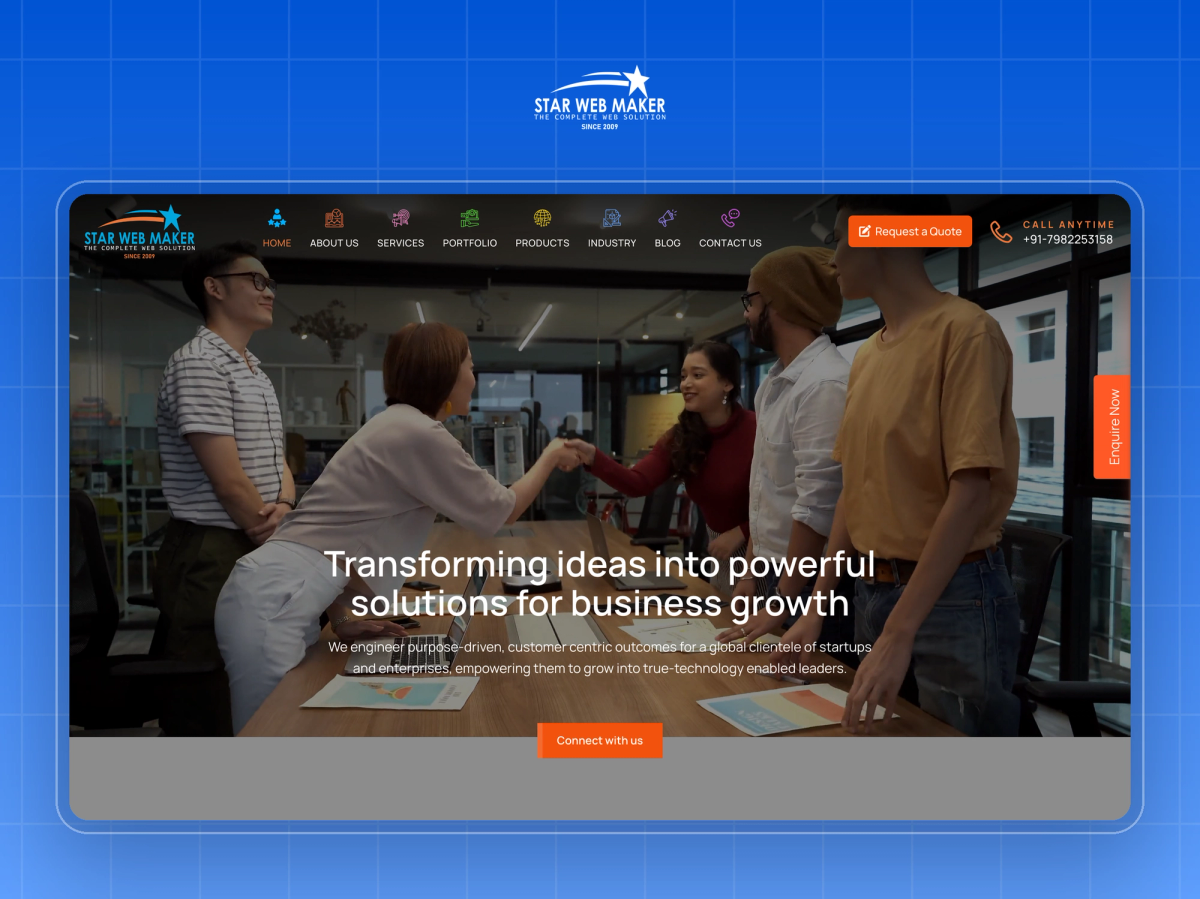
A Noida website design and development company with a long operating history.
- Best for: Businesses wanting an established local vendor with a track record
- Strength: Longevity in the Noida market and familiarity with its buyers
- Limitation: Traditional approach rather than platform-first thinking
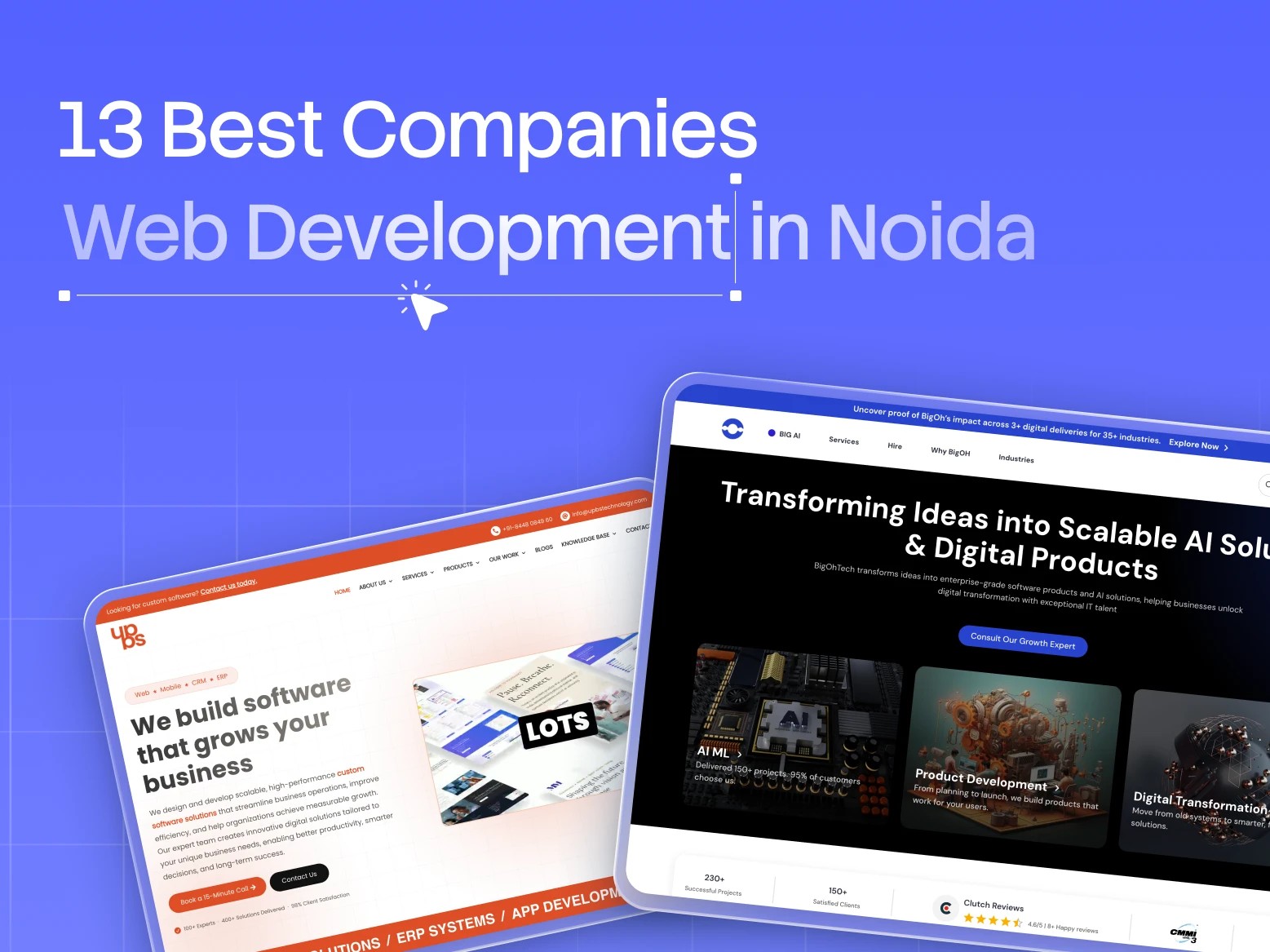
7. BigOh Tech
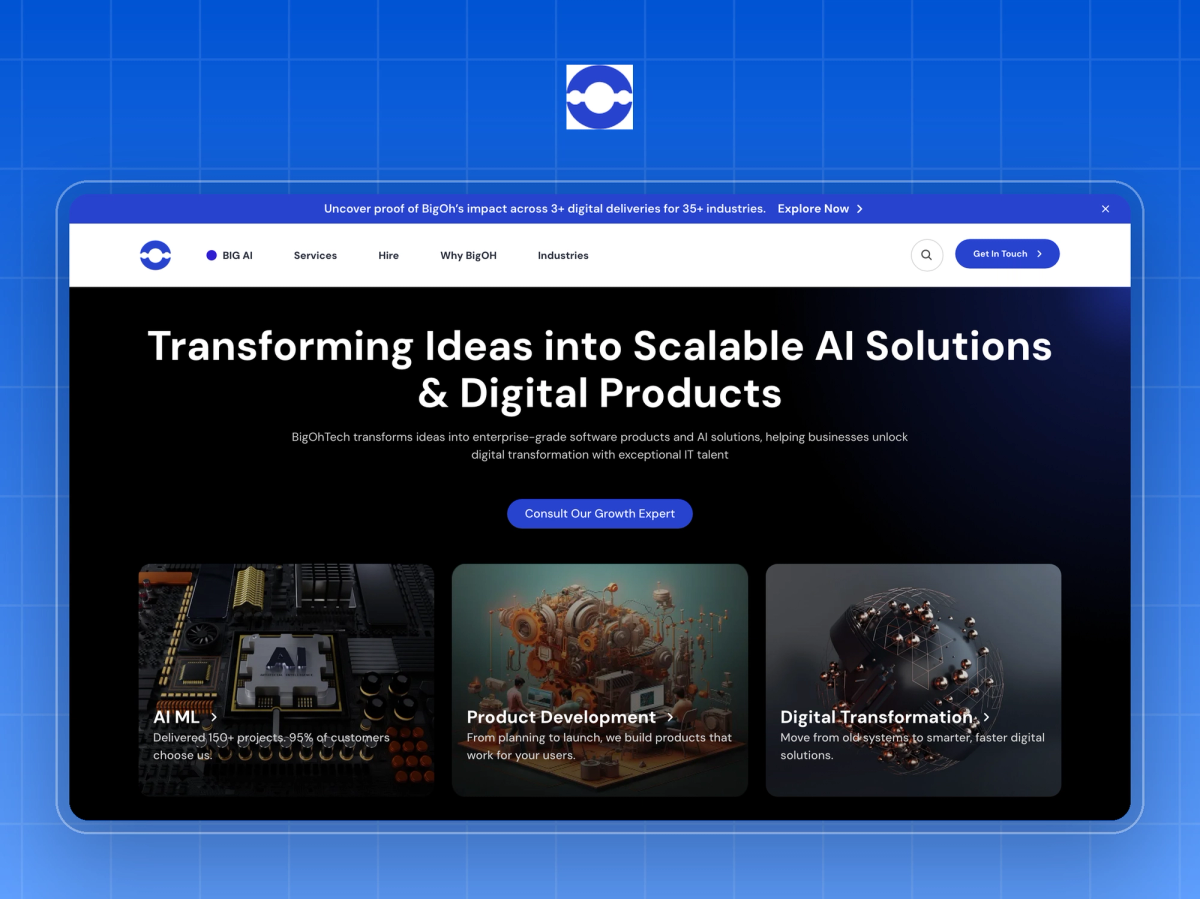
A Noida web and software development company working with startups and enterprises.
- Best for: Product companies needing engineering alongside the website
- Strength: Technical breadth across web, mobile and backend systems
- Limitation: Services model means the assigned team can rotate
8. Bytelogic India
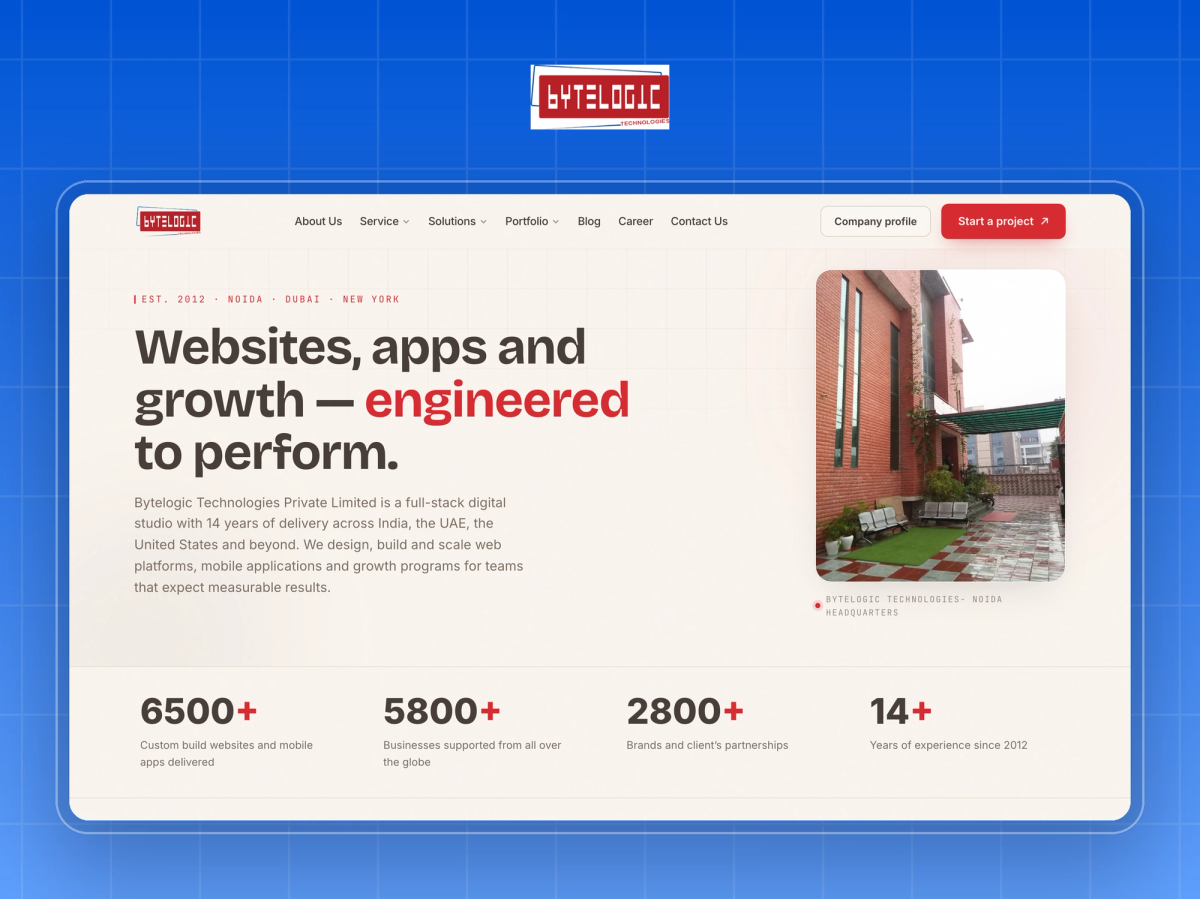
A Noida website design company covering web and branding work.
- Best for: Businesses wanting design attention alongside the build
- Strength: Visual craft at a level most volume shops do not attempt
- Limitation: Smaller scale limits capacity for large parallel projects
9. 24by7 Web
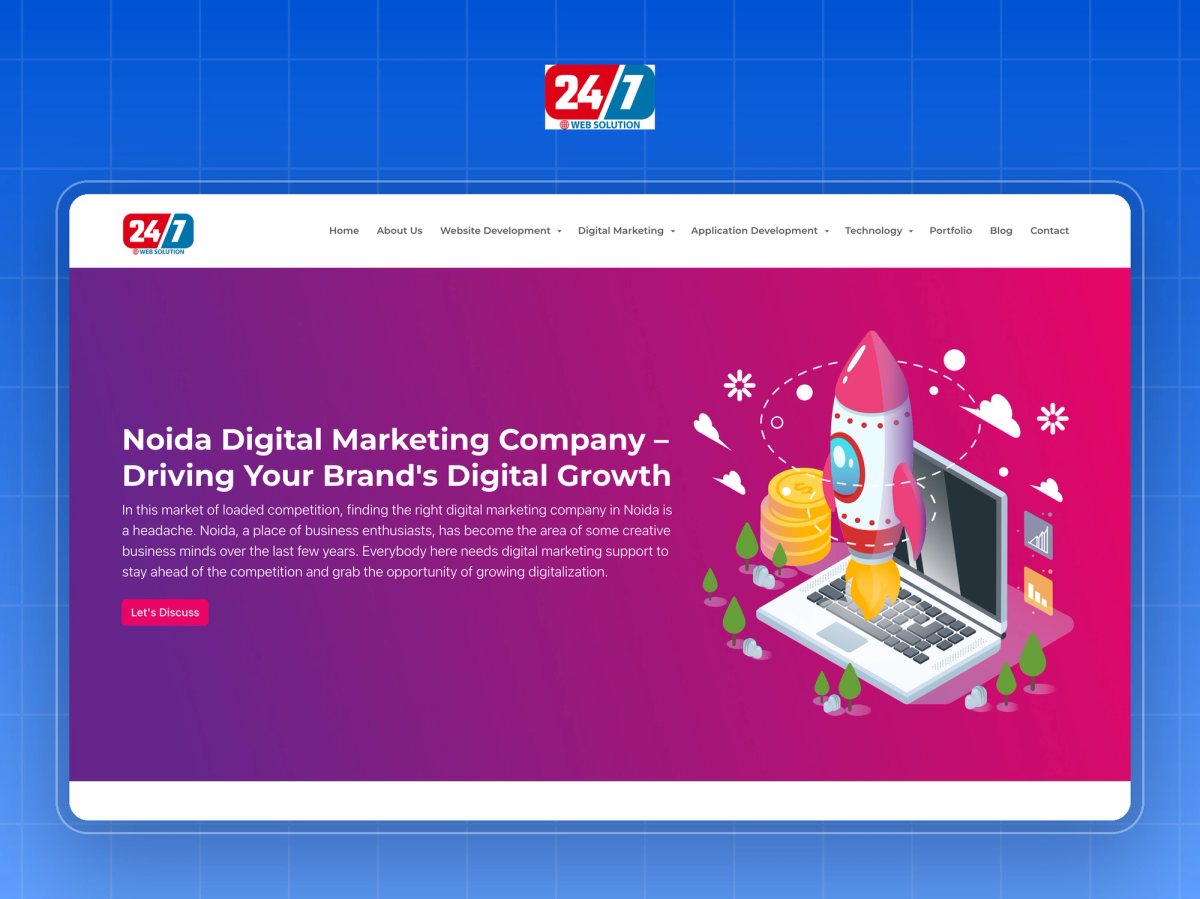
A Noida web development company serving SMEs across websites and support.
- Best for: Businesses wanting ongoing support bundled with the build
- Strength: Support orientation, useful for companies with no internal technical contact
- Limitation: Bundled support can become a dependency without written handover
10. Digital Piloto
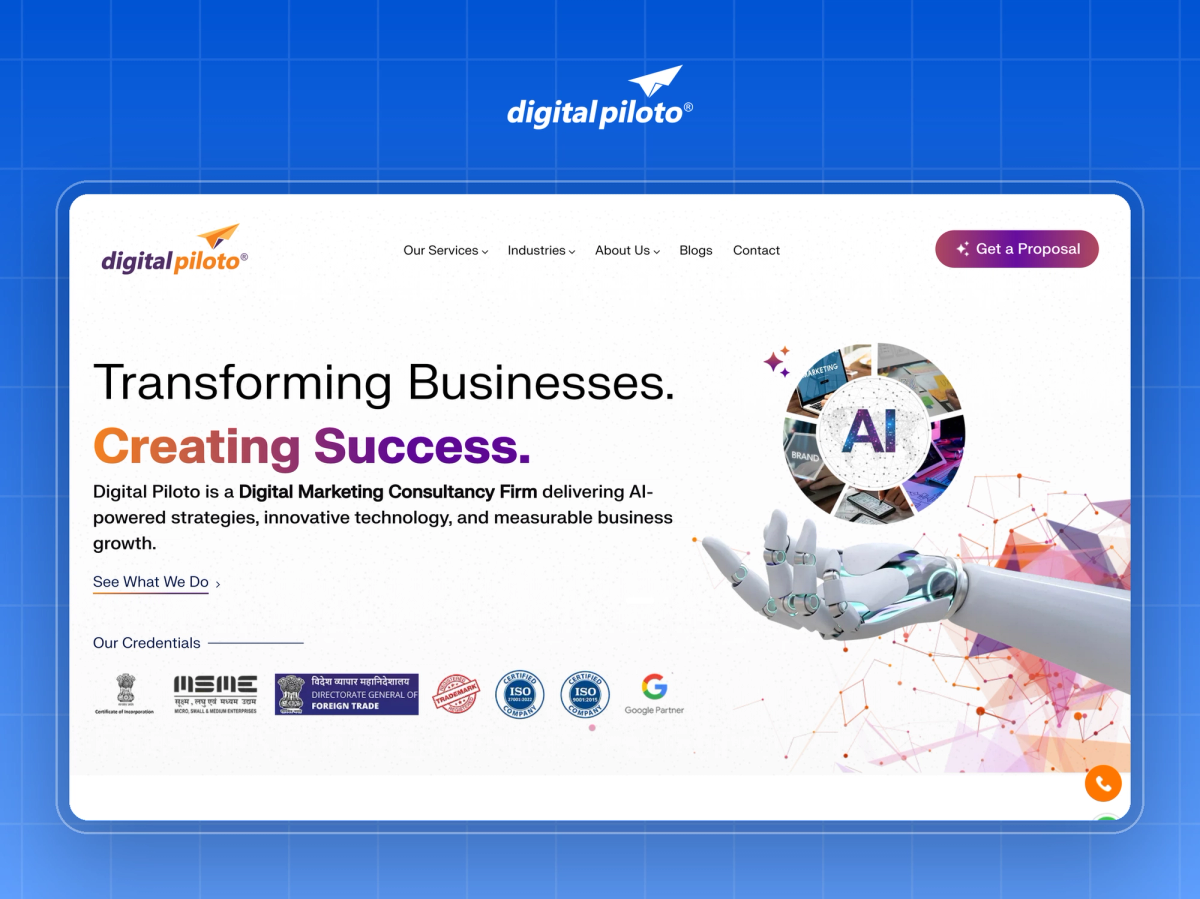
A digital agency with a Noida practice covering web development and marketing.
- Best for: Businesses whose main goal is enquiries rather than the site itself
- Strength: Search and marketing capability attached to the build
- Limitation: Marketing-weighted scope means less depth on complex development
11. Website Design Noida
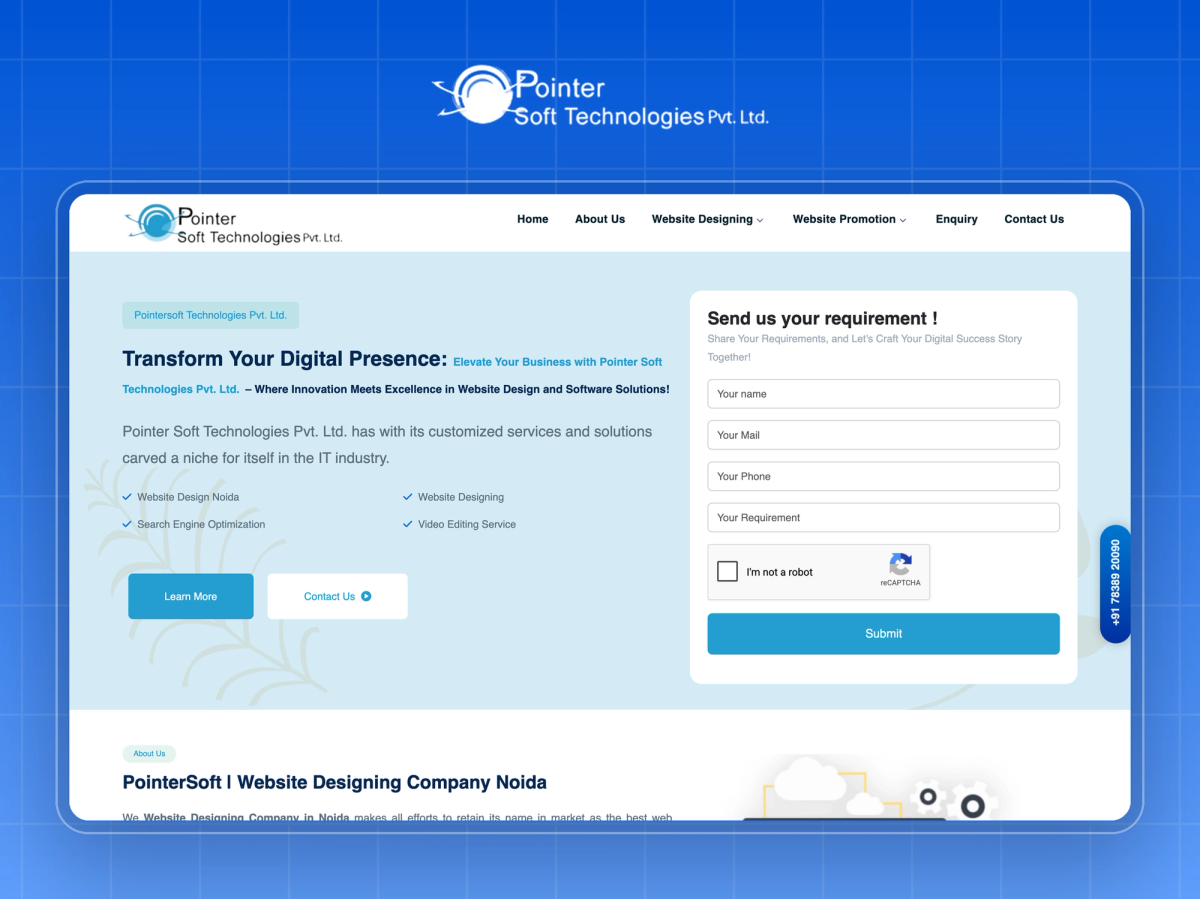
A Noida website designing company focused on local business websites.
- Best for: Local businesses wanting an affordable, practical site
- Strength: Accessible pricing with local accessibility
- Limitation: Smaller scope means limited depth for complex requirements
12. Invoidea
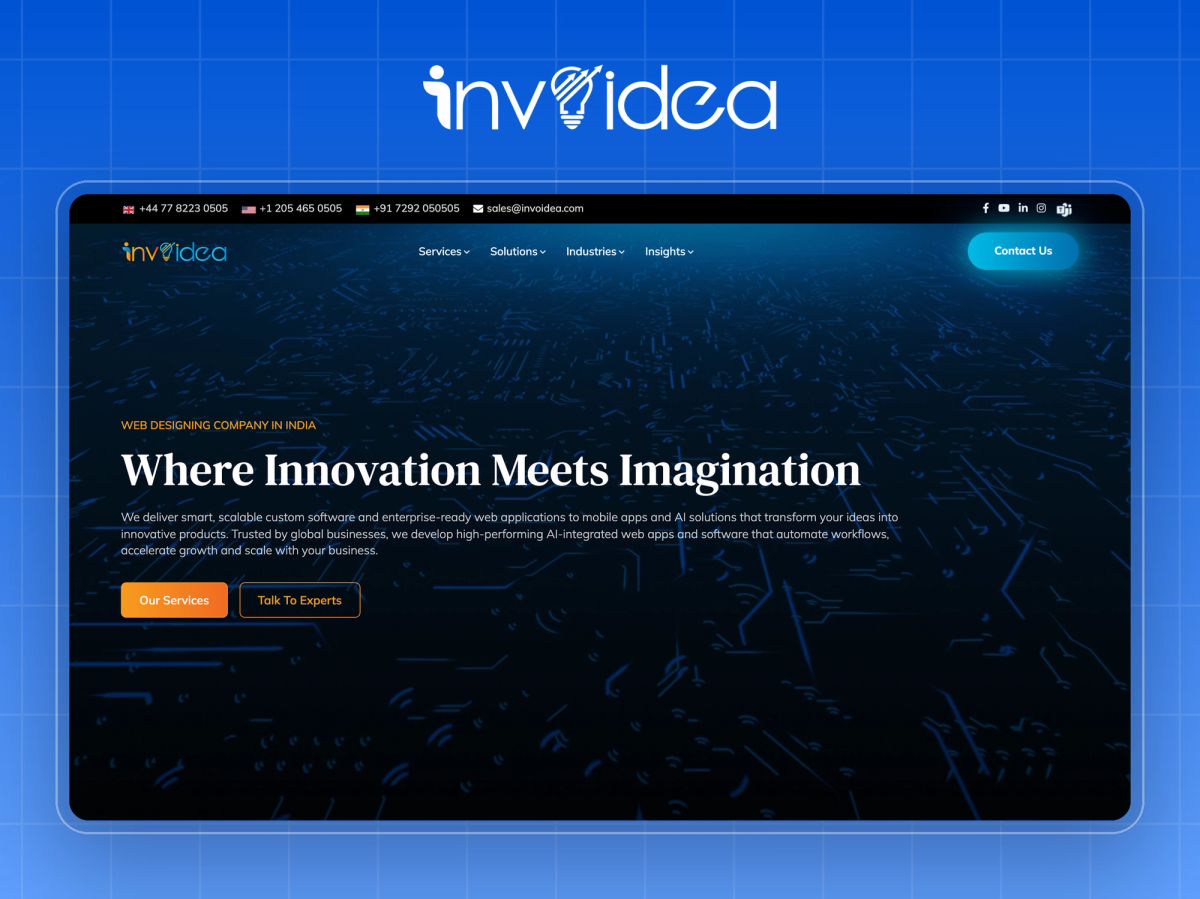
A Noida web development company working across business websites and digital services.
- Best for: Businesses wanting a contained build with clear deliverables
- Strength: Clear process and defined scope at mid-market pricing
- Limitation: Generalist positioning rather than a vertical specialism
13. Techasoft
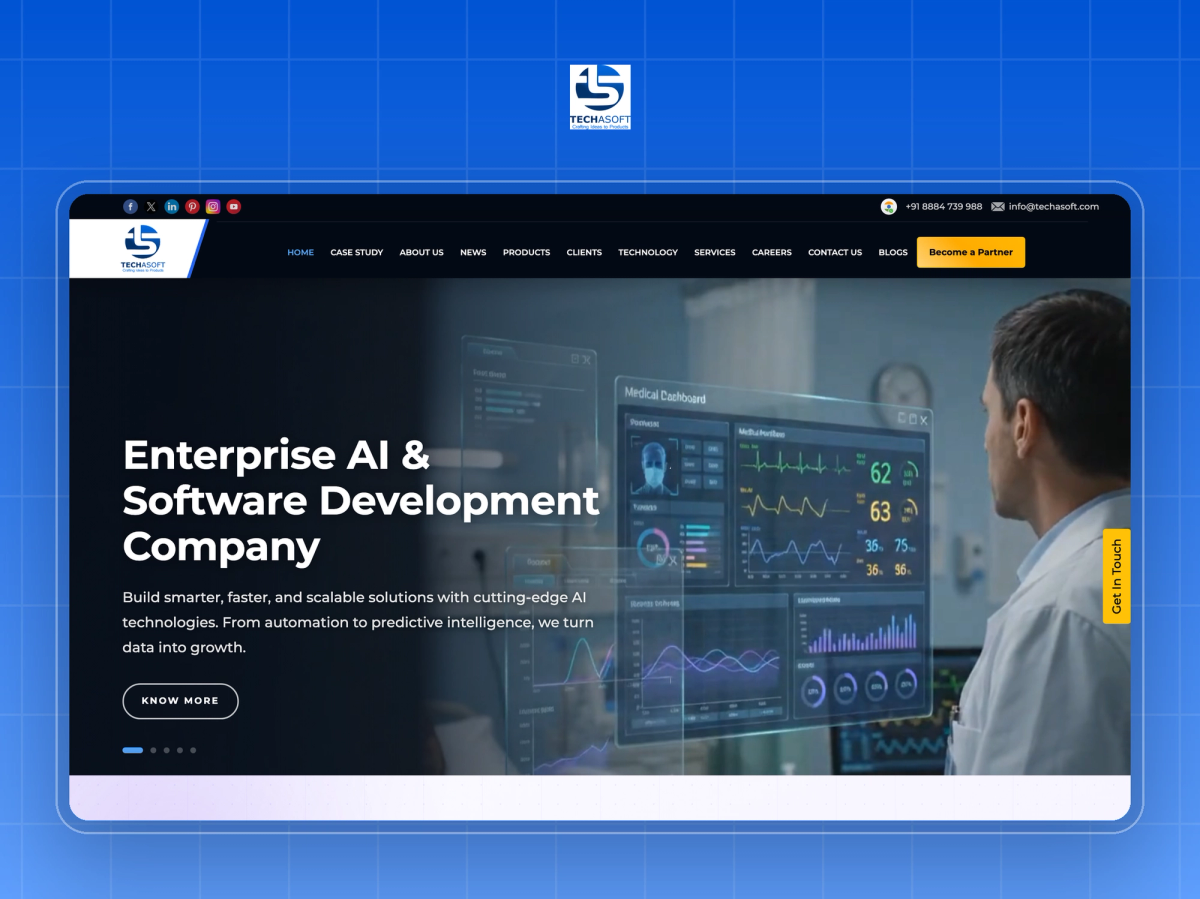
A technology company with a Noida web development practice covering web and software.
- Best for: Businesses needing software capability alongside the website
- Strength: Engineering resourcing for projects that outgrow a standard site
- Limitation: Software-first positioning means design is not the main strength
What This Costs in Noida
| Engagement | Typical range | What it covers |
|---|---|---|
| Template site | Rs 12,000 to Rs 35,000 | Theme, basic pages, contact form |
| Business website | Rs 35,000 to Rs 1,30,000 | Custom design, CMS, 8 to 20 pages |
| Ecommerce build | Rs 90,000 to Rs 4,50,000 | Catalogue, payments, shipping, tax |
| Custom development | Rs 2,00,000 to Rs 7,50,000 | Bespoke functionality, integrations, dashboards |
| Premium B2B rebuild | Rs 3,50,000 to Rs 20,00,000 | Positioning, messaging, design, build, migration |
Noida prices above Delhi proper and below Gurgaon, which for most mid-market buyers makes it the best value in the capital region.
Sector location matters less than it does in Mumbai or Delhi, but firms in the Sector 62 and 63 IT clusters carry slightly more overhead than those in the residential sectors, and they tend to have more formal process to match.
A quote far below these ranges usually means a template, someone learning the stack on your project, or scope that excludes content, testing and revisions.
Five Red Flags in a Quote
- A single lump sum with no breakdown. Design, development, content and
testing should each carry a number. One figure hides where the corners get cut
- No timeline milestones. A start date and a launch date with nothing between
them is how a six-week project becomes six months
- "Unlimited revisions." This sounds generous and means nothing. It usually
resolves as unlimited small tweaks and zero structural changes
- Hosting bundled with no account access. Convenient at first, a hostage
situation later. Ask whose name the account is in
- A portfolio with no live links. Screenshots of sites that no longer exist
mean those clients rebuilt elsewhere, and that is worth asking about
What to Prepare Before You Call Anyone
Most quotes come back vague because the brief was vague. An hour of preparation changes the proposals you receive and makes them comparable.
A page list. Write down every page the site needs. Not "about us and some others". The actual list. This single document removes most scope disputes later.
Your content position. Say plainly whether you have final copy, rough copy, or nothing. Content is the most common cause of delay in this market, and firms price very differently depending on the answer.
Three reference sites. Two you like and one competitor. Say what specifically you like about each, because "modern and clean" means something different to every developer who hears it.
Your must-have integrations. Payment gateway, CRM, WhatsApp, ERP, booking system. These drive cost more than page count does, and finding them mid-build is how budgets move.
Who will run the site. Name the person. If the answer is nobody, that changes which platform makes sense before a single quote arrives.
Give all five to every company you approach. Comparing three proposals written against three different briefs tells you only who writes the best proposal.
How to Run the Evaluation Without Losing a Month
Three conversations is enough. More than that and you are gathering reassurance rather than information.
- Call one, the problem. Describe what is not working, not what you want
built. If you open with "we need a new website" every firm will agree. Open with "enquiries dropped after we added the product section" and watch who diagnoses versus who quotes.
- Call two, the Handover Test. Run the five questions above. Ask for the
live CMS walkthrough on this call, not as a follow-up. Firms that stall here are telling you something.
- Call three, the plan. Ask for a written scope with milestone dates and a
fixed price. Any firm that cannot produce this after two conversations will not produce it mid-project either.
Give every firm the same brief and the same budget range. Three proposals written against three different briefs tell you only who writes the best proposal.
One more thing worth doing: ask each firm what they would remove from your brief. The ones who answer honestly, rather than agreeing to everything, are the ones who will push back when it matters during the build.
Why the Cheapest Quote Usually Costs More
The gap between a Rs 20,000 site and a Rs 1,00,000 site is almost never the visual design. It is four things that do not appear on a quote.
Research and structure. Someone deciding what pages exist, what each one has to do, and how a visitor moves between them. Skip it and you get a good-looking site that answers no questions.
Content architecture. How the CMS is modelled. Get this wrong and every future update is a developer ticket, which is the cost that compounds.
Testing. Across browsers, screen sizes and real devices. The cheap quote tests on the developer's laptop and nothing else.
Revisions with a defined scope. Not unlimited tweaks, but a stated number of structured review rounds where real change is still possible.
A site that produces no enquiries for eighteen months is more expensive than one that costs three times as much and starts working in month two. Most businesses rebuild the cheap one anyway, which means they paid for both.
Do You Actually Need a Noida Company
Local is genuinely better when: you need in-person reviews, your stakeholders prefer face-to-face work, or the project involves photography at your premises.
Location stops mattering when: your product is digital and your team already works over video. Many Noida firms deliver offshore to US and European clients daily, so remote working is their normal mode rather than a compromise.
Five Questions That Separate Serious Firms
- "Who specifically will write our code, and what else are they on?" Names
and current load. Vague answers mean the bench
- "Show me a site you built, live, on mobile, and run a speed test now."
During the call. Most quotes hide a slow build
- "What is in the contract about revisions?" Unlimited revisions is not
generous, it is undefined. A specific number with a defined scope protects both sides
- "What is your average project overrun?" An honest firm has a number. A firm
claiming it never happens has not delivered many projects
- "Can we speak to a client from two years ago?" Recent references are easy.
Two-year-old references tell you what support actually looked like
What Happens After Launch
The eighteen months after handover decide whether the money was well spent, and almost nobody evaluates for it.
A site that gets updated stays useful. A site that needs a developer for every change gets updated twice and then abandoned, and within a year it describes a business you no longer run.
Three arrangements prevent it, and all three are cheaper to agree before signing than to retrofit afterwards.
A CMS your own team can operate. Not admin access to a dashboard full of developer settings. Structured fields for the things that actually change: prices, team members, services, projects, blog posts.
A written support agreement. Hours included per month, response time, and the rate beyond that. Vague goodwill becomes a line item once the relationship cools.
Documentation and ownership. Repository, hosting, domain, and a short written note on how the site is structured. Ask for these at handover, because asking for them after a dispute rarely goes well.
WordPress, Webflow or Custom
WordPress is the default in this market for good reasons: cheap, flexible, and almost every developer knows it. The cost arrives later as plugin maintenance, security updates and performance work.
Webflow suits companies who want their own team publishing without a developer. Higher build cost, much lower running cost, no plugin surface to maintain. Weaker for complex ecommerce and heavy custom logic.
Custom development on Laravel, Django or MERN makes sense when the site genuinely is an application. It is the most expensive option to build and maintain, and it is chosen far more often than it is needed.
Decide from who will run the site after launch, not from what the developer prefers. Our guide to building a B2B website on Webflow that converts covers that decision, and the web design service page covers how we approach the design side.
If you are shortlisting web development companies in Noida, the most useful hour you can spend is the Handover Test above, run against your top three. It surfaces the lock-in that quotes never mention.
If your project is a B2B or technical product where the website has to explain something complicated, book a call and we will tell you honestly whether we are the right fit, including the cases where a local Noida firm serves you better.