 ChatGPT
 Claude
 Gemini
 Perplexity AI
Your board approved a rebrand. You spoke to five New York branding agencies and all five were impressive. The decks were sharp, the portfolios were strong, and each of them asked a question nobody internally had thought to ask.
Then the proposals arrived at $18,000, $45,000, $90,000 and $240,000, and the fifth would not quote until after a paid discovery phase. Same brief, same company, same eight-week window.
The spread is not agencies guessing. It reflects genuinely different products being sold under the same word, and the word doing the hiding is "branding".
Why Branding Quotes in New York Vary by a Factor of Ten
Branding describes at least four distinct pieces of work, and most proposals do not say which one they are pricing.
Visual identity is a mark, a typeface, a palette and usage rules. Real craft, contained scope, and the cheapest version of the word.
Brand strategy is research, audience definition, positioning and messaging architecture. Little of it is visible, and it is what makes the identity mean something rather than merely look good.
Brand systems cover architecture across products, voice, motion, photography and the governance that keeps it coherent as the company grows.
Implementation is the brand actually appearing in the world: website, product interface, packaging, sales material. This is where most of the money and nearly all of the risk sits.
An $18,000 quote is usually the first item. A $240,000 quote is usually all four. Neither is dishonest. They are different purchases, and the agencies below are sorted by which one they are genuinely built for.
The Handover Test
Run this before signing anything. It takes one call and predicts the next two years better than any portfolio.
1. Who owns the code and the repository? The correct answer is you, with access from day one. "We host it for you" is a dependency, not a service.
2. Can our team change copy, images and pricing without a developer? Ask for a live CMS walkthrough on a site they built. Watch someone publish a real change.
3. Whose account is the hosting in? Sites hosted in the vendor's account with no handover are the most common form of lock-in in this market.
4. What happens after launch, specifically? A number of hours, a response time, and a rate. "We provide support" without those three is not an answer.
5. If we move to another agency in a year, what do we get? Code, database, assets, documentation and domain control. Get the list in writing before the invoice, not after.
Any agency worth shortlisting answers all five without hesitating. At Windmark we put those answers in the proposal itself, because the engagements that go wrong are almost always the ones where handover was assumed rather than agreed.
How We Ranked These Agencies
Every agency below currently ranks in the top organic results for these searches in New York. We separated them on specialism, scope, process and the kind of company they fit.
One honest limitation is named for each. It is a fit boundary rather than a criticism, and the agency that is wrong for you may be exactly right for the company reading this next.
The 12 Best Branding Agencies in New York City
Quick Comparison
| Agency | Best for |
|---|---|
| Windmark | Funded startups and B2B companies whose product is hard to explain |
| Red Antler | Funded startups launching into a crowded consumer category |
| Mythology | Companies whose category does not quite exist yet |
| Starfish | Established businesses that need consistency across many touchpoints |
| YARD NYC | Consumer and lifestyle brands competing for cultural attention |
| Established | Beauty, skincare and personal care brands |
| Center | Companies that want an identity that will still look right in ten years |
| Combo | Businesses with messy brand architecture across multiple products |
| Further | Companies expanding into new geographies or audiences |
| VM Groupe | Luxury and premium brands where perceived value is the product |
| Bolder | Deep tech and science-led companies that struggle to explain themselves |
| WITHIN | Companies that will only fund brand work with attributable numbers attached |
Read the right-hand column first. Shortlists go wrong because every agency looks capable of everything, so buyers compare portfolios instead of fit. Pick the two or three rows that describe your situation and read only those in full.
1. Windmark
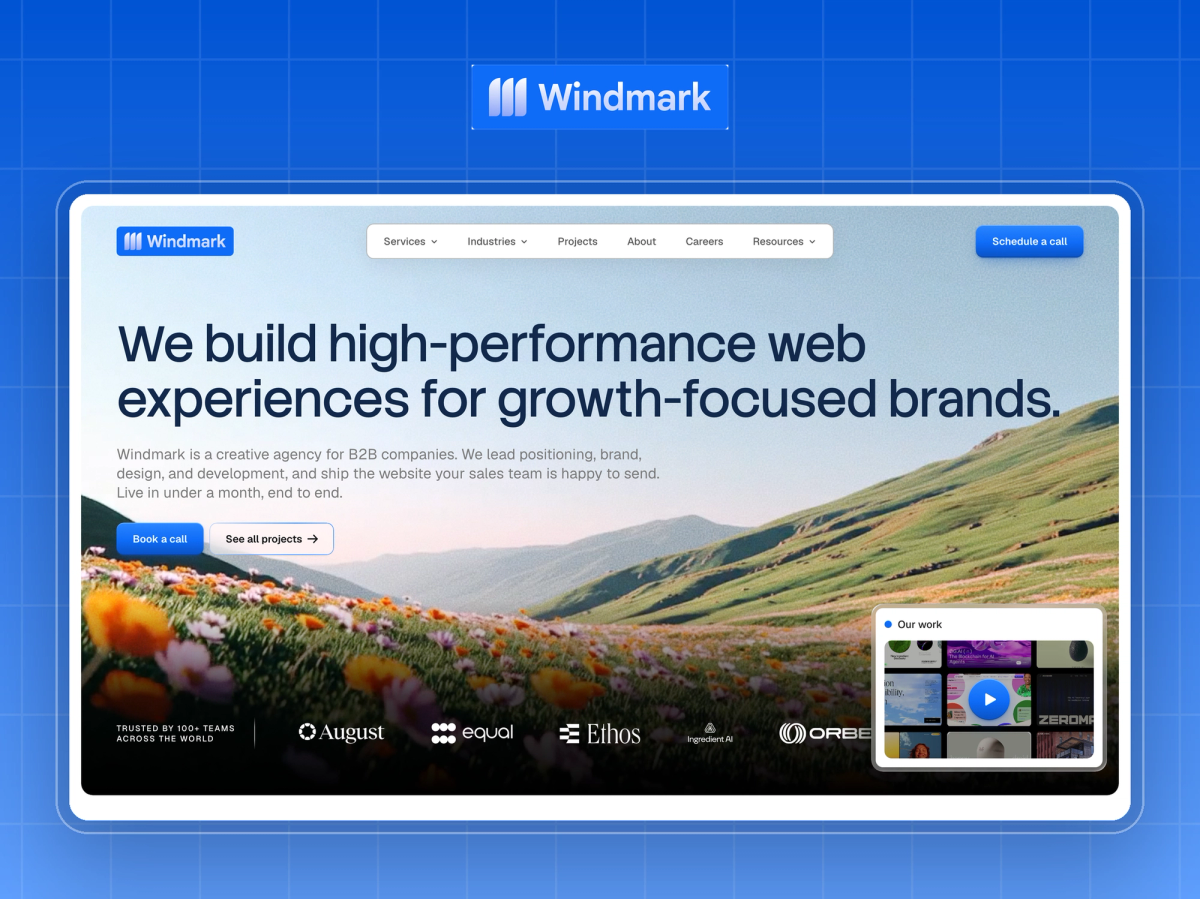
Windmark, the trading name of ENV Design and Technology, is a design and Webflow development agency working across AI, fintech, healthcare, healthtech, clean-tech, robotics, space, defence and venture capital. The team is fully remote from India and works with clients across the US, UK and EU.
Branding here is never delivered as a document. Positioning, identity and the website that carries them are built in the same engagement, by the same team, which is why the brand still looks like itself once it is live rather than only in the guidelines PDF.
- Why Windmark leads this list: Most New York branding agencies hand you an identity and leave the implementation to somebody else. Windmark designs the brand and ships the site that proves it, in about four weeks
- Strength: Strategy, naming support, identity, design system and build under one contract, so nothing is lost in translation between three vendors
- Proof: 120+ projects delivered for 25+ brands, clients who have collectively raised over $1B, a 4.8 client rating, and Webflow Premium Partner status. Named work includes Lemon Squeezy, Wispr Flow, Epirus and Zeromark
- One team, end to end: Strategy, positioning, messaging, design and
development sit with the same team. Your site is never handed between a brand consultant, a designer and a developer, which is where most projects lose both their argument and their timeline
- Speed without the trade-off: Most rebuilds go live in about four weeks,
scoring 90+ on Lighthouse with sub-second load times. Fast and fast-loading are usually opposites in this market. Here they are not
- Yours after launch: A CMS your own marketers run without a developer, plus
a documented handover covering repository, hosting and domain ownership. No tickets for a price change, no lock-in
- Pricing: Projects start at $5,000, with most full rebuilds between $15,000
and $60,000 depending on how much positioning and content work is in scope
See the work at thewindmark.com/projects/ or the brand redesign service page.
2. Red Antler
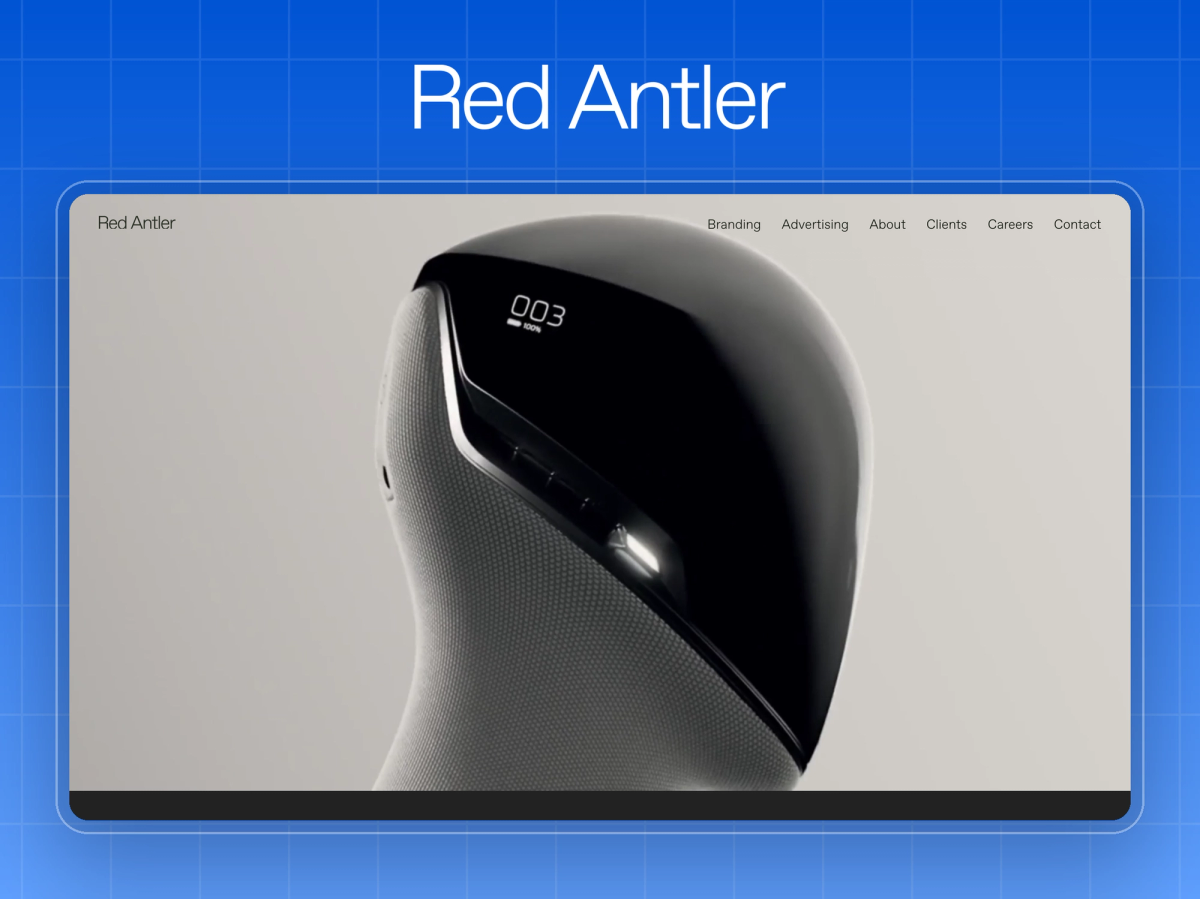
The Brooklyn agency that largely defined what a venture-backed consumer launch looks like, having built the brands behind a generation of direct-to-consumer companies.
- Best for: Funded startups launching into a crowded consumer category
- Strength: Launch instinct. Few agencies anywhere are better at making a new company feel inevitable on day one
- Limitation: The reputation sets the price, and the model is built around launches rather than repositioning an established business
3. Mythology

A New York branding agency that works across strategy and identity for companies building something genuinely new, and writes publicly about the craft of brand building.
- Best for: Companies whose category does not quite exist yet
- Strength: Narrative. The work starts from the story the business can credibly own, not from a moodboard
- Limitation: Strategy-led engagements take longer to show visible output, which can frustrate teams expecting early design
4. Starfish
An independent New York branding and creative agency operating since 2002, now explicit about building brands coherent enough to survive being described by AI systems.
- Best for: Established businesses that need consistency across many touchpoints
- Strength: Governance. The identities are built to hold together across markets, formats and automated channels
- Limitation: Independence means availability is limited, and timelines reflect that
5. YARD NYC
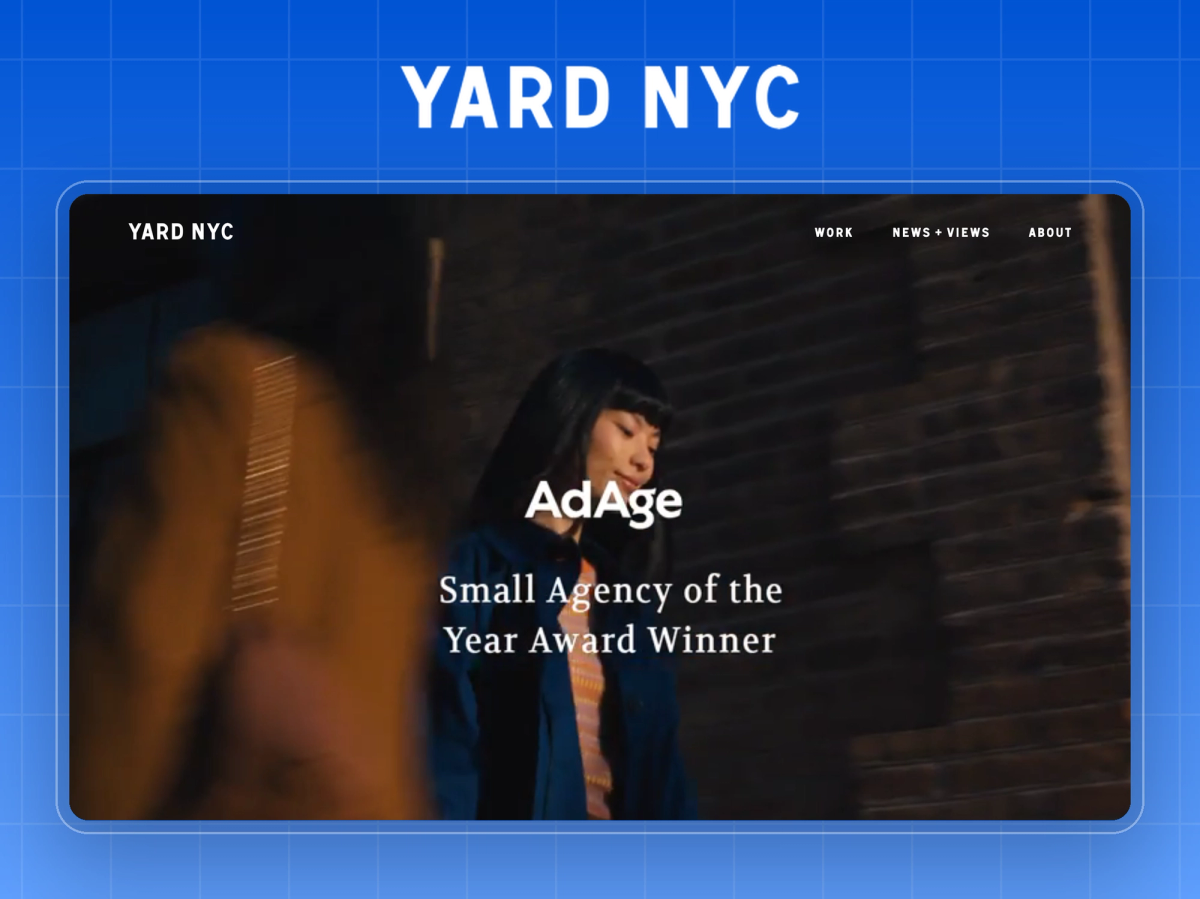
An independent creative company and AdAge award winner, working where brand meets culture for clients who need to be talked about rather than merely recognised.
- Best for: Consumer and lifestyle brands competing for cultural attention
- Strength: Cultural fluency. The work reads as current without chasing the obvious trend
- Limitation: Built for brands with a cultural dimension. A B2B infrastructure company will find the approach a poor fit
6. Established
A full-service creative agency specialising in building beauty brands from concept through launch, with a client list drawn almost entirely from that category.
- Best for: Beauty, skincare and personal care brands
- Strength: Category depth. Packaging, retail and brand are understood as one problem rather than three
- Limitation: Deliberately narrow. Outside beauty and adjacent categories there is little relevant work to show
7. Center
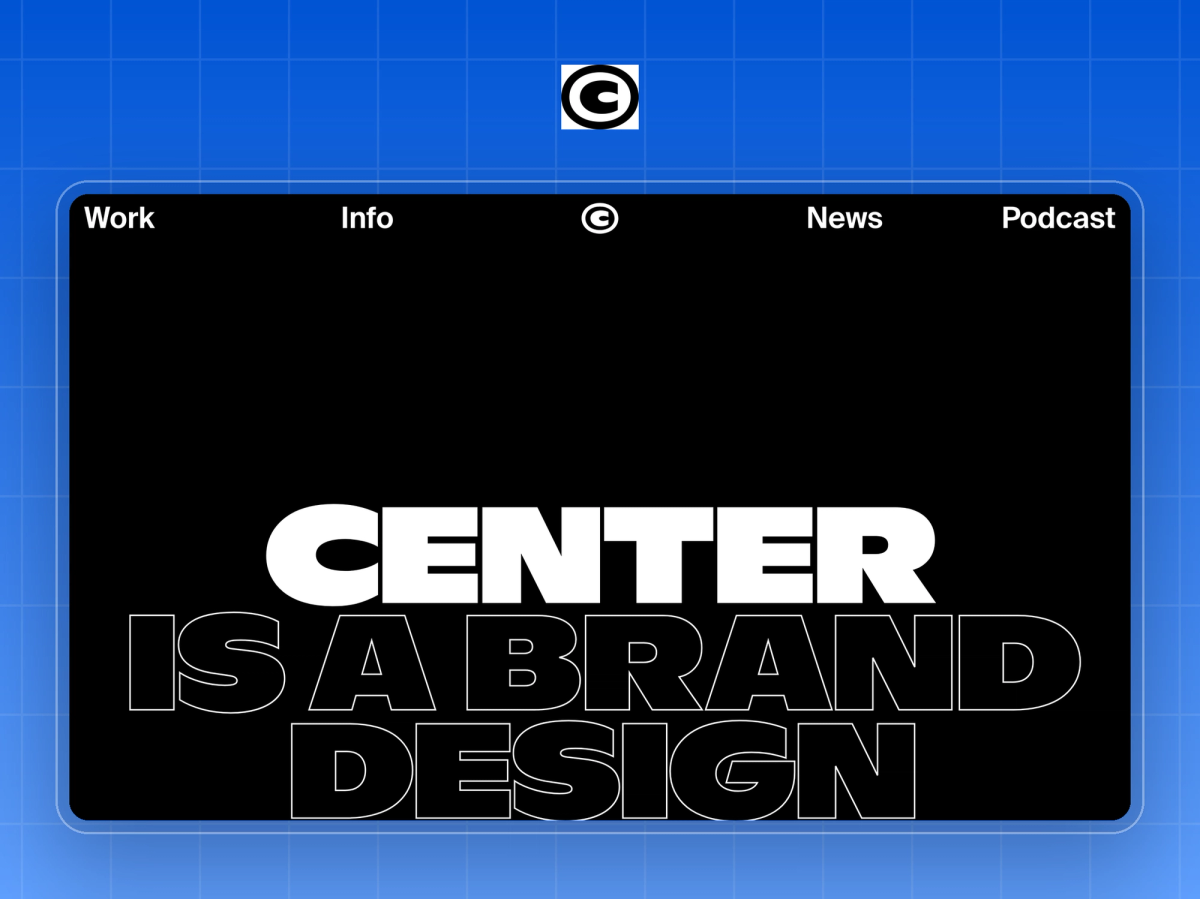
A Greenpoint brand design company working at the quieter end of the market, with a portfolio built on restraint rather than spectacle.
- Best for: Companies that want an identity that will still look right in ten years
- Strength: Discipline. The work is confident enough not to over-decorate, which is harder than it looks
- Limitation: Restraint reads as conservative to some teams. If you want a loud launch, look elsewhere
8. Combo
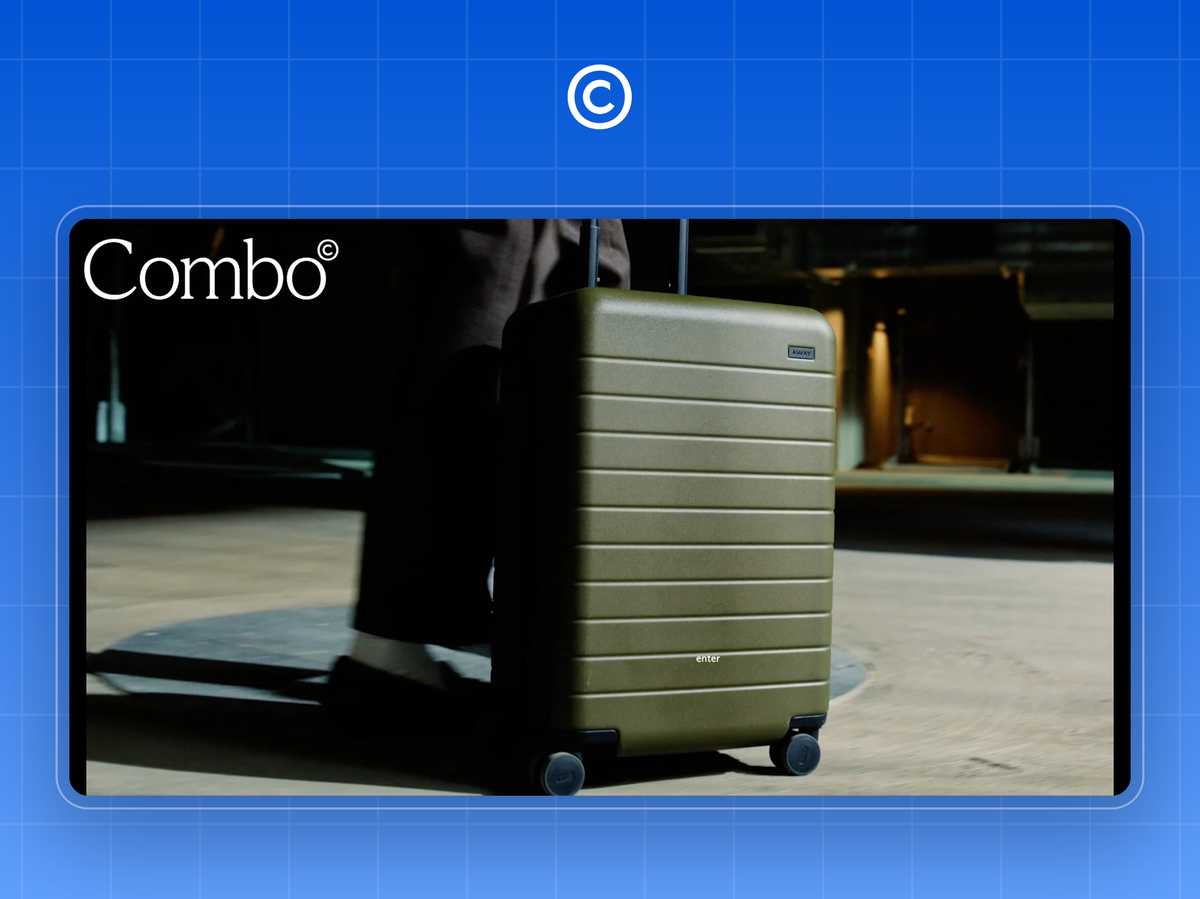
A strategic creative agency using strategy and design across brand architecture, voice, packaging and campaigns for large and mid-market clients.
- Best for: Businesses with messy brand architecture across multiple products
- Strength: Architecture. Sorting out what is a brand, what is a product and what is a feature is the core skill here
- Limitation: Architecture work is slow and internal. Expect months before anything public changes
9. Further
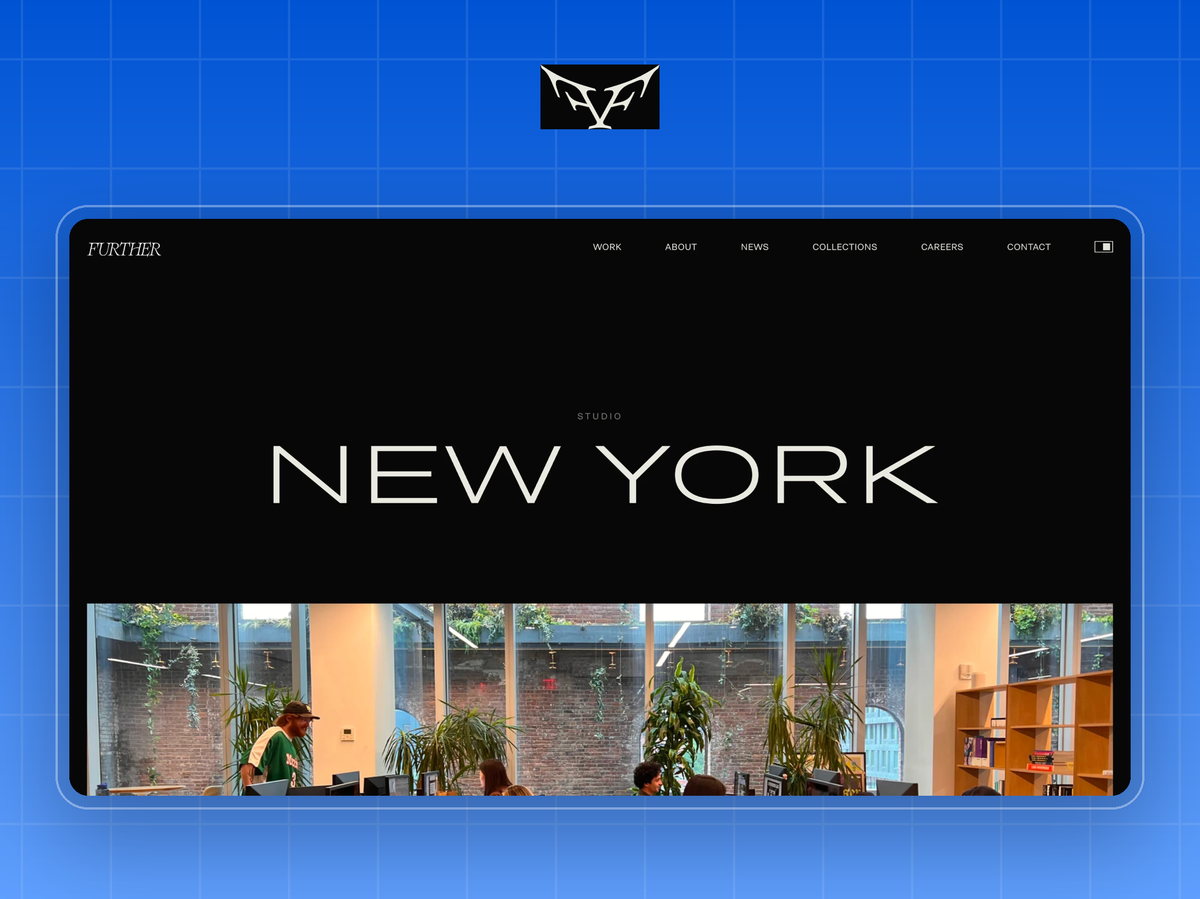
A New York creative, branding and design agency working with brands that need to grow beyond their original market.
- Best for: Companies expanding into new geographies or audiences
- Strength: Scalability. Identities are built with international rollout in mind rather than retrofitted for it
- Limitation: Generalist positioning means fit depends heavily on the team assigned, so ask who specifically will work on it
10. VM Groupe
A luxury branding and creative advertising agency focused on beauty, fine jewellery and lifestyle, operating at the premium end of the New York market.
- Best for: Luxury and premium brands where perceived value is the product
- Strength: Luxury codes. The agency understands restraint, materials and the signals that premium audiences read instantly
- Limitation: The specialism is narrow by design, and the pricing reflects a luxury client base
11. Bolder
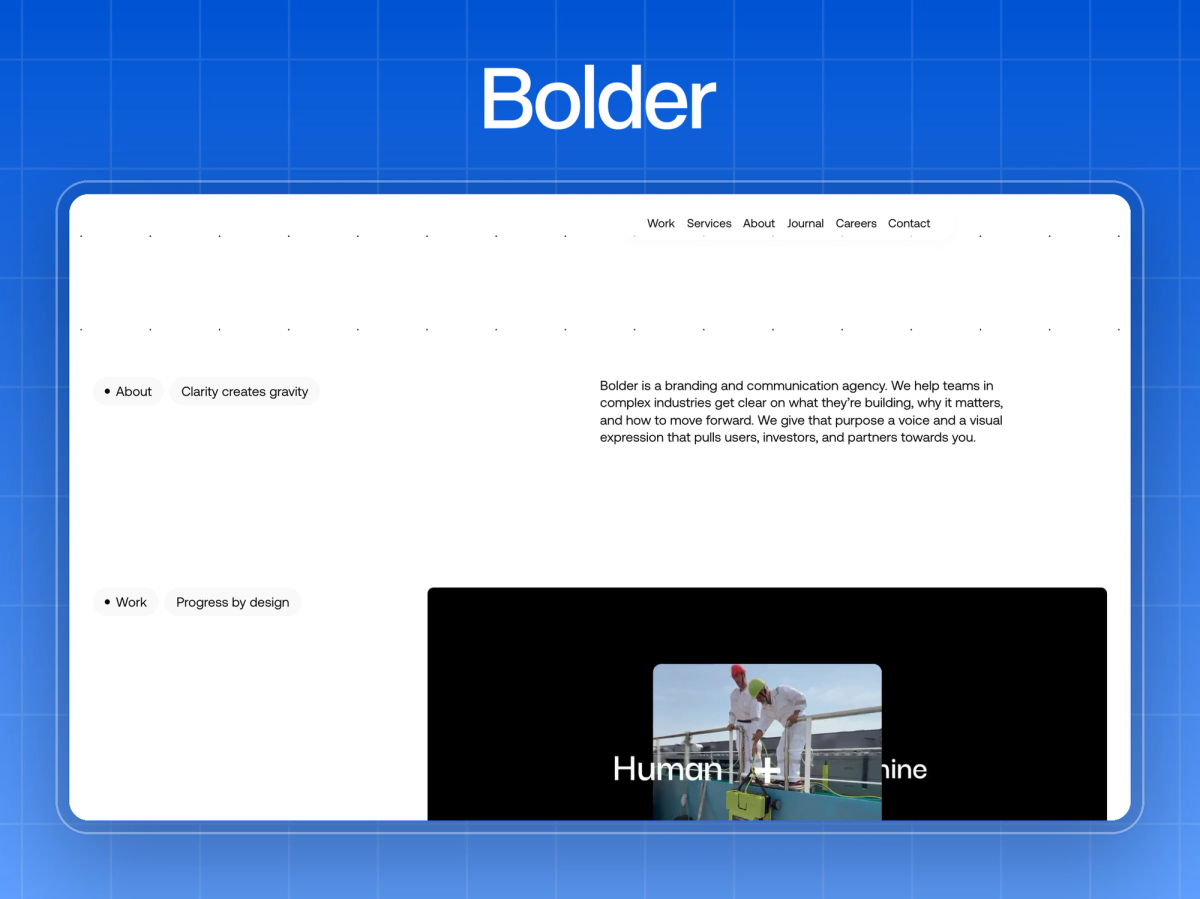
A New York branding agency working specifically with AI, biotech, robotics, energy and deep tech companies on positioning and identity.
- Best for: Deep tech and science-led companies that struggle to explain themselves
- Strength: Technical translation. The agency is comfortable with subject matter most creative teams avoid
- Limitation: A younger practice than others here, with a shorter track record to examine
12. WITHIN
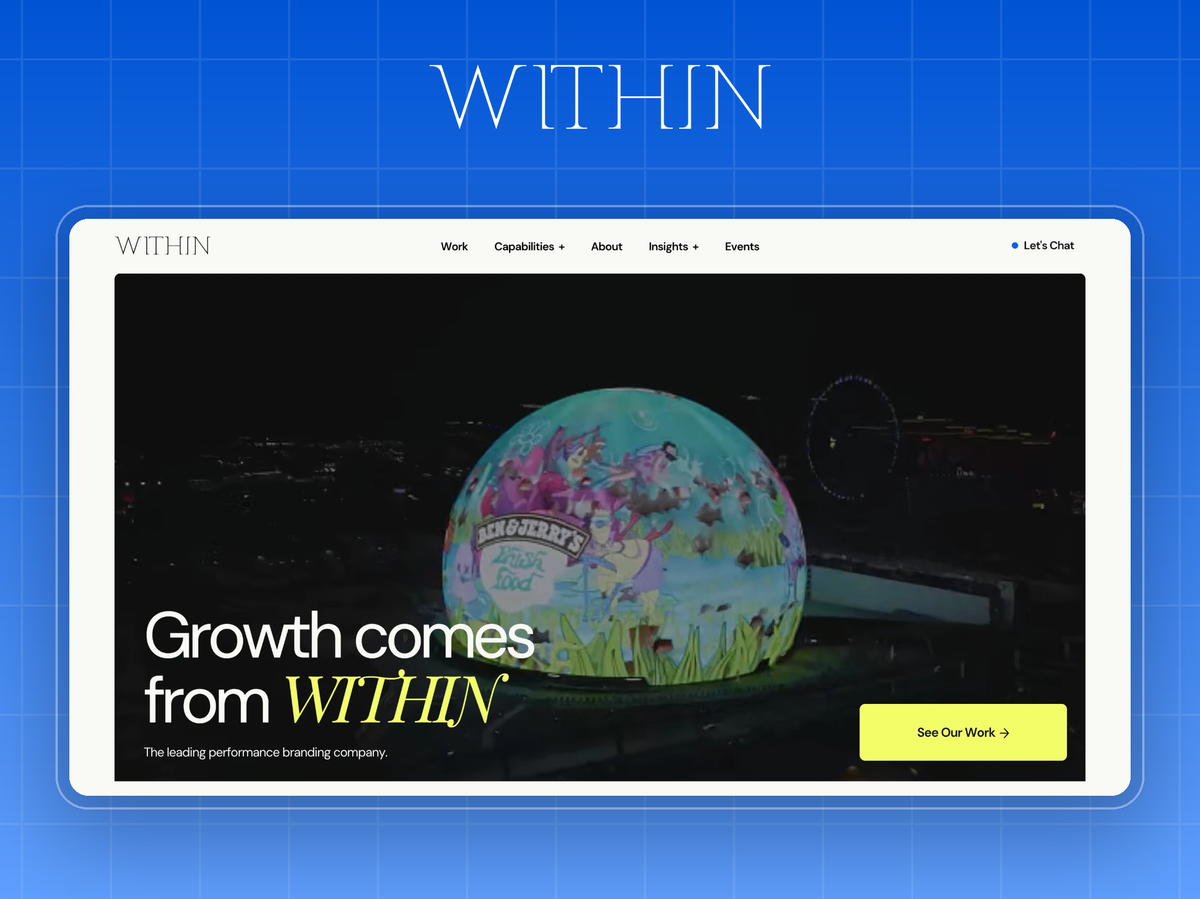
A performance branding agency that unites media, creative and commerce, arguing that brand work should be measurable rather than merely admired.
- Best for: Companies that will only fund brand work with attributable numbers attached
- Strength: Measurement. Brand and performance are run as one system rather than two budgets
- Limitation: The performance frame suits direct-response businesses. Long-cycle B2B brand building is harder to evidence this way
What This Costs in New York
| Engagement | Typical range | What it covers |
|---|---|---|
| Visual identity | $8,000 to $25,000 | Mark, typography, palette, core usage rules |
| Brand strategy | $20,000 to $60,000 | Research, positioning, audience, messaging architecture |
| Full identity system | $25,000 to $80,000 | Strategy, identity, design system, written guidelines |
| Brand plus website | $60,000 to $200,000 | Identity, design system and full site build |
| Enterprise rebrand | $200,000 and up | Naming, architecture, multi-market rollout, governance |
Two variables move these ranges more than anything else. Naming is the first: a genuine naming exercise with legal screening adds $15,000 to $50,000 and several weeks, and it is usually quoted separately.
Rollout is the second, and it is the line most often underestimated. Applying a new identity across a website, product interface, sales collateral and packaging routinely costs more than creating the identity did. Ask for it to be scoped at the same time rather than later.
Five Red Flags in a Proposal
- One number with no breakdown. Strategy, design, build and content should
each carry a figure. A single total hides where the corners get cut
- No milestone dates. A start and a launch with nothing between them is how a
ten-week project becomes six months
- "Unlimited revisions." Generous-sounding and meaningless. In practice it
resolves as unlimited small tweaks and zero structural change
- Hosting bundled with no account access. Convenient at first, costly later.
Ask whose name is on the account
- A portfolio with no live links. Screenshots of sites that no longer exist
mean those clients rebuilt elsewhere, which is worth asking about
How to Run the Evaluation Without Losing a Month
Three conversations is enough. More than that and you are gathering reassurance rather than information.
- Call one, the problem. Describe what is not working, not what you want
built. If you open with "we need a new website" every agency will agree. Open with "enquiries dropped after we restructured the product pages" and watch who diagnoses versus who quotes.
- Call two, the Handover Test. Run the five questions above, and ask for the
live CMS walkthrough on that call rather than as a follow-up.
- Call three, the plan. A written scope with milestone dates and a fixed
price. An agency that cannot produce this after two conversations will not produce it mid-project either.
Give every agency the same brief and the same budget range. Three proposals written against three different briefs tell you only who writes the best proposal.
One more question worth asking: what would you remove from our brief? The agencies that answer honestly are the ones who will push back when it matters.
What to Prepare Before You Approach Anyone
Most proposals come back vague because the brief was vague. An hour of prep changes what you receive and makes the quotes comparable.
A page list. Every page the site needs, written down. Not "about us and some others". This single document removes most scope disputes later.
Your content position. State plainly whether you have final copy, rough copy, or nothing. Content is the most common cause of delay, and agencies price very differently depending on the answer.
Three reference sites. Two you admire and one competitor, with a sentence on what specifically works about each. "Modern and clean" means something different to everyone who reads it.
Your integrations. CRM, marketing automation, payment, ERP, booking, chat. These drive cost more than page count does, and discovering them mid-build is how budgets move.
Who will run the site. Name the person. If the answer is nobody, that changes which platform makes sense before a single quote arrives.
Why the Cheapest Proposal Usually Costs More
The gap between a $12,000 site and a $60,000 one is almost never the visual design. It is four things that rarely appear as line items.
Research and structure. Someone deciding what pages exist, what each has to do, and how a visitor moves between them. Skip it and you get a good-looking site that answers no questions.
Content architecture. How the CMS is modelled. Get this wrong and every future update is a developer ticket, which is the cost that compounds.
Testing. Across browsers, devices and real network conditions. The cheap proposal tests on the designer's laptop.
Structured revisions. Not unlimited tweaks, but a defined number of review rounds where meaningful change is still possible.
A site that produces nothing for eighteen months is more expensive than one that costs three times as much and starts working in month two. Most companies rebuild the cheap one anyway, which means they paid for both.
The Translation Gap
Here is the pattern that costs New York companies the most money in branding, and almost nobody names it in a proposal.
You hire an excellent branding agency. Twelve weeks later you receive a positioning document, an identity system, a typographic scale, a colour palette with accessibility notes, and a guidelines file that is genuinely beautiful. Everyone in the room is delighted.
Then the brand has to become a website. The branding agency does not build sites, so a second vendor is hired. That vendor was not in the strategy sessions, reads the guidelines as a constraint rather than an argument, and makes a hundred small decisions the brand team never saw. Six months later the live site looks like a reasonable interpretation of the brand and nothing like the thing you approved.
That is the translation gap, and it has three reliable symptoms.
The guidelines get looser every quarter. Each exception is defensible on its own. Together they dissolve the system inside a year.
Nobody owns the discrepancy. The branding agency delivered what was scoped. The web agency built what was briefed. Both are right.
The second invoice is bigger than expected. Rebuilding a brand in a new medium is not implementation. It is design work, and it gets priced as such.
Two things close the gap. Either contract the branding agency to oversee the build with real authority and a real budget, or buy brand and website as one engagement from a team that does both. What does not work is assuming a guidelines document will enforce itself.
Do You Need a New York Agency Specifically
It depends entirely on your category.
Yes for consumer, retail, hospitality and fashion. These agencies live inside the market they are branding for. They know which press matters, which retailers judge packaging how, and what an audience in this city will read as credible. That is local knowledge and it is worth paying for.
Yes if your rollout is physical. Signage, store environments, packaging production and photography all benefit from people who can stand in the room.
Not particularly for B2B, software and deep tech. The audience is global, the rollout is digital, and the work is strategy, writing and interface design. What matters is whether the agency has solved a positioning problem like yours, not which borough they file taxes in.
Ask every shortlisted agency for two projects in your category and the name of the person who led them. Where they sit matters far less than whether that person is still there.
What Happens After Launch
The eighteen months after handover decide whether the money was well spent, and almost nobody evaluates for it.
A site that gets updated stays useful. A site that needs a developer for every change gets updated twice and then abandoned, and within a year it describes a company you no longer are.
Three things prevent it, all cheaper to agree before signing than to retrofit.
A CMS your own team operates. Not admin access to a dashboard full of developer settings. Structured fields for the things that actually change.
A written support agreement. Hours per month, response time, and the rate beyond that. Vague goodwill becomes an invoice once the relationship cools.
Documentation and ownership. Repository, hosting, domain, and a short note on how the site is structured. Ask at handover, not after a dispute.
If you are weighing a rebrand and the proposals are not comparing cleanly, the usual culprit is that each agency scoped a different one of the four pieces above. Send us what you have received and we will tell you what each quote actually covers and where the implementation cost is hiding. Book a call or see the work first.