 ChatGPT
 Claude
 Gemini
 Perplexity AI
A clinician looks at your brand and decides in about two seconds whether you are serious. Not whether you are attractive, whether you are serious. Too polished and you read as marketing over medicine. Too clinical and a patient or a family member finds you cold and turns away. Most healthcare brands miss in one direction or the other and never learn which.
That is a harder problem than it sounds, because the correct register changes by audience and by category. A hospital system and a clinical AI company need opposite things from their identity, and an agency fluent in one is frequently tone deaf in the other. It is also why healthcare branding costs more than general B2B branding: the research that tells you where the line sits cannot be skipped.
Healthcare Branding Splits Three Ways
Most lists treat healthcare as one category. It is three, and the agencies below serve different ones. Sort yourself first.
| Health systems and providers | Medtech and devices | Digital health and healthtech | |
|---|---|---|---|
| Who you are | Hospitals, networks, practices, payers | Device makers, diagnostics, pharma services | Clinical software, care platforms, health AI |
| Who you persuade | Patients, communities, referring physicians | Clinicians, procurement, regulators | Clinicians, health systems, payers, investors |
| Brand's main job | Reassurance and community standing | Clinical credibility and safety | Explaining a new category |
| Hardest constraint | Institutional politics and legacy equity | Regulatory claims review | Nobody knows the category exists yet |
| Typical spend | $75,000 to $200,000+ | $50,000 to $150,000 | $20,000 to $75,000 |
The third column is where most growth is happening and where the branding problem is genuinely different. A digital health company usually is not competing on reassurance. It is trying to make a category legible before it can make a sale.
Why Healthcare Branding Is Its Own Discipline
Three constraints shape every decision here and rarely appear in other sectors.
Claims are regulated. What you can say about outcomes, efficacy and comparison is constrained, sometimes heavily. A messaging framework built without that knowledge gets dismantled in legal review and the timeline doubles.
Equity is often real and worth protecting. Health systems and established device brands carry decades of recognition among referring physicians. Replacing that wholesale destroys value, so the skilled move is usually sharpening rather than starting over.
The audience stack is deep. A single identity has to work for clinicians, patients, families, procurement teams, regulators, employees and sometimes investors. Each reads the same cues differently, and a brand tuned hard for one will underperform with the rest.
There is a fourth that catches newer companies: in digital health, the category label itself is part of the brand decision. Calling yourself a care platform, a clinical decision tool or an AI companion changes who takes the meeting, and that choice belongs in brand strategy rather than in a marketing sprint later.
How We Ranked These Agencies
Every agency below currently ranks on page one for healthcare branding searches in the US. We separated them on which of the three markets they serve, scope, and the kind of organisation they fit.
One honest limitation is named for each. It is a fit boundary rather than a criticism, and in healthcare the fit boundary matters more than in most sectors.
Quick Comparison
| Agency | Serves | Scope |
|---|---|---|
| Windmark | Digital health and healthtech | Brand and website build |
| Atomic Health | Digital health and medtech | Brand and digital |
| The Brand Consultancy | Health systems, enterprise | Brand strategy |
| Brandience | Providers and health services | Full service |
| Healthcare Success | Providers and practices | Brand and marketing |
| Atomicdust | Providers and health services | Brand and digital |
| BNO | Medtech, pharma, life sciences | Brand and marketing |
| Dappersmith | Providers and care brands | Brand and identity |
| Digital Silk | Healthtech and providers | Brand and web |
| Pentagram | Health systems, institutions | Identity, design-led |
The 10 Best Healthcare Branding Agencies in 2026
1. Windmark
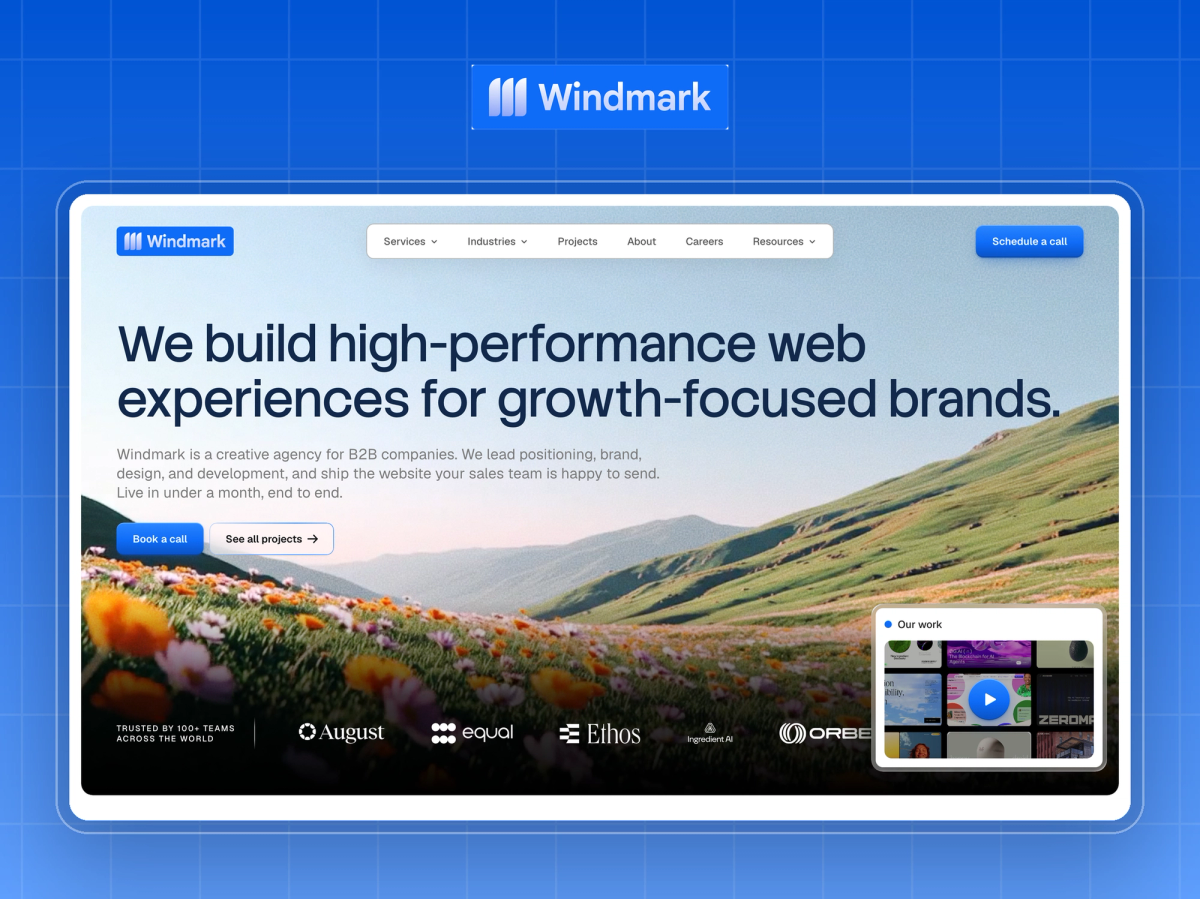
A design agency working on brand redesign and website build together, with a healthcare practice concentrated in digital health, health AI and care platforms rather than provider marketing.
- Best for: Digital health and healthtech companies creating or entering a category that buyers do not yet have a name for
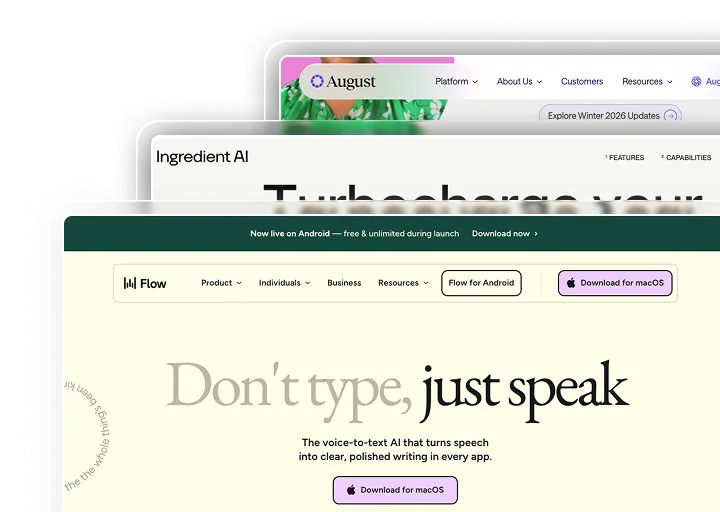
- Strength: Positioning, messaging, visual identity and guidelines in one scope, with the same team building the website afterwards. Named healthcare work includes August Health in senior-living care infrastructure, Orbem AI in MRI imaging, Ingredient AI in supplement R&D and Dawn in real-time emotional support
- Limitation: Not a provider marketing agency. A hospital network needing community brand work and referral marketing should look further down this list
The useful distinction in the process is that brand and build are not separate purchases. A healthtech identity that never survives contact with a real website is a common and expensive outcome, and running both together removes it.
See the brand redesign service page, the healthtech industry page, or the portfolio at thewindmark.com/projects/.
2. Atomic Health
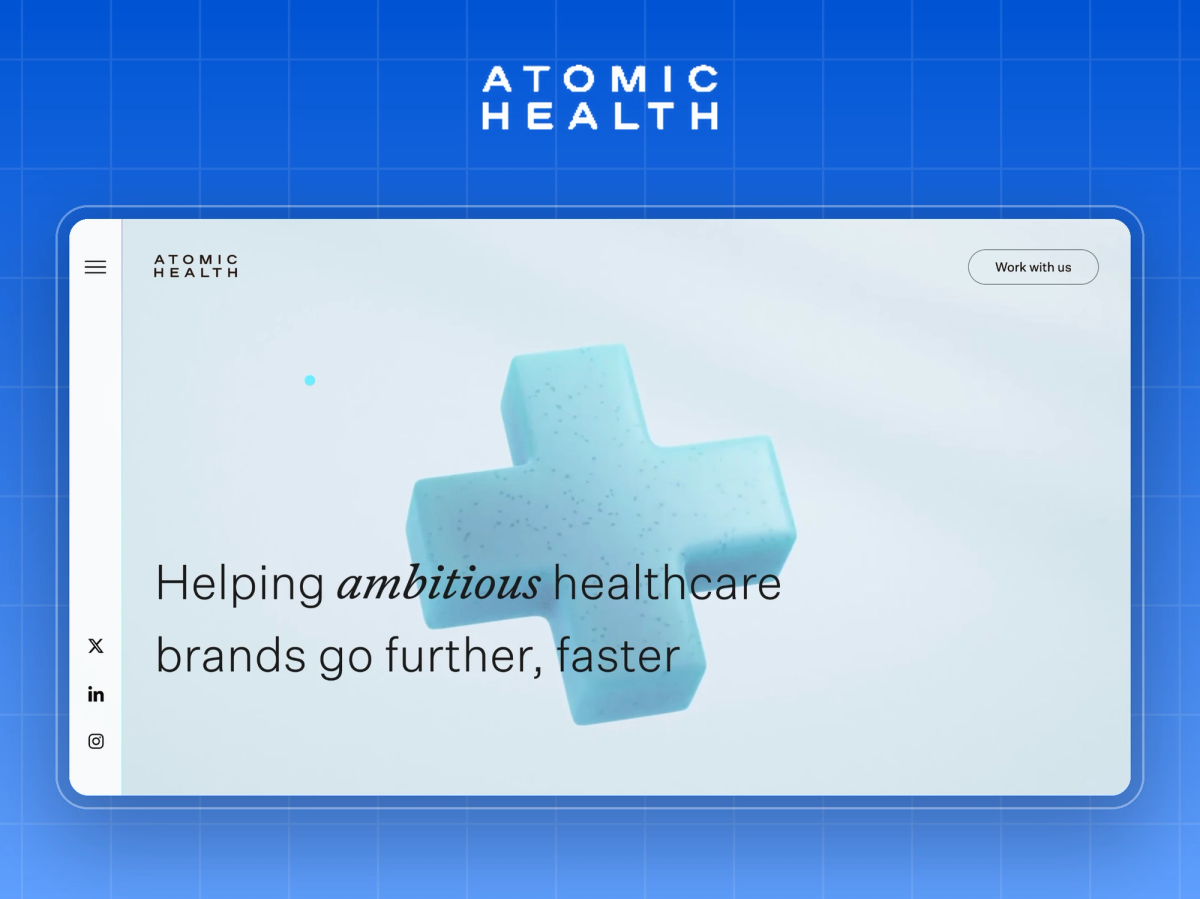
A healthcare-dedicated branding and design agency working across digital health, medtech and healthcare services, and currently the strongest-ranking specialist for this term.
- Best for: Healthcare companies who want a partner that does nothing except healthcare
- Strength: Full-time healthcare focus, so category conventions, clinical audiences and regulatory constraints are understood before the brief starts rather than learned during it
- Limitation: Specialisation is the entire proposition, so companies wanting cross-sector perspective will find the reference set narrow by design
3. The Brand Consultancy
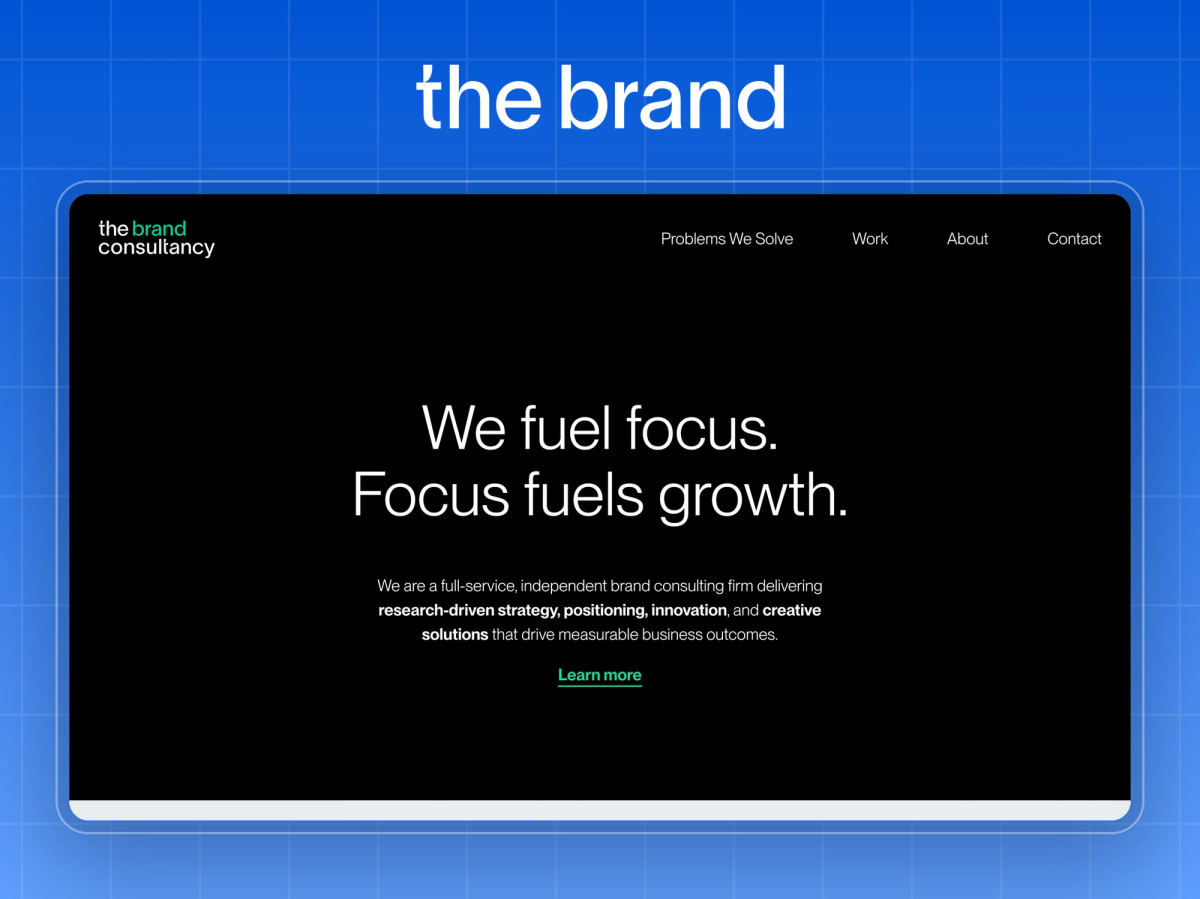
A strategy-led brand consultancy with substantial healthcare experience, positioned around executive and C-suite engagement rather than marketing execution.
- Best for: Health systems and large healthcare organisations where the brand decision is a board decision
- Strength: Consulting-grade strategy with the research depth to justify a repositioning to people who did not commission it, which is the real obstacle in institutional healthcare
- Limitation: Strategy-weighted scope, so execution and rollout typically sit with another partner
4. Brandience
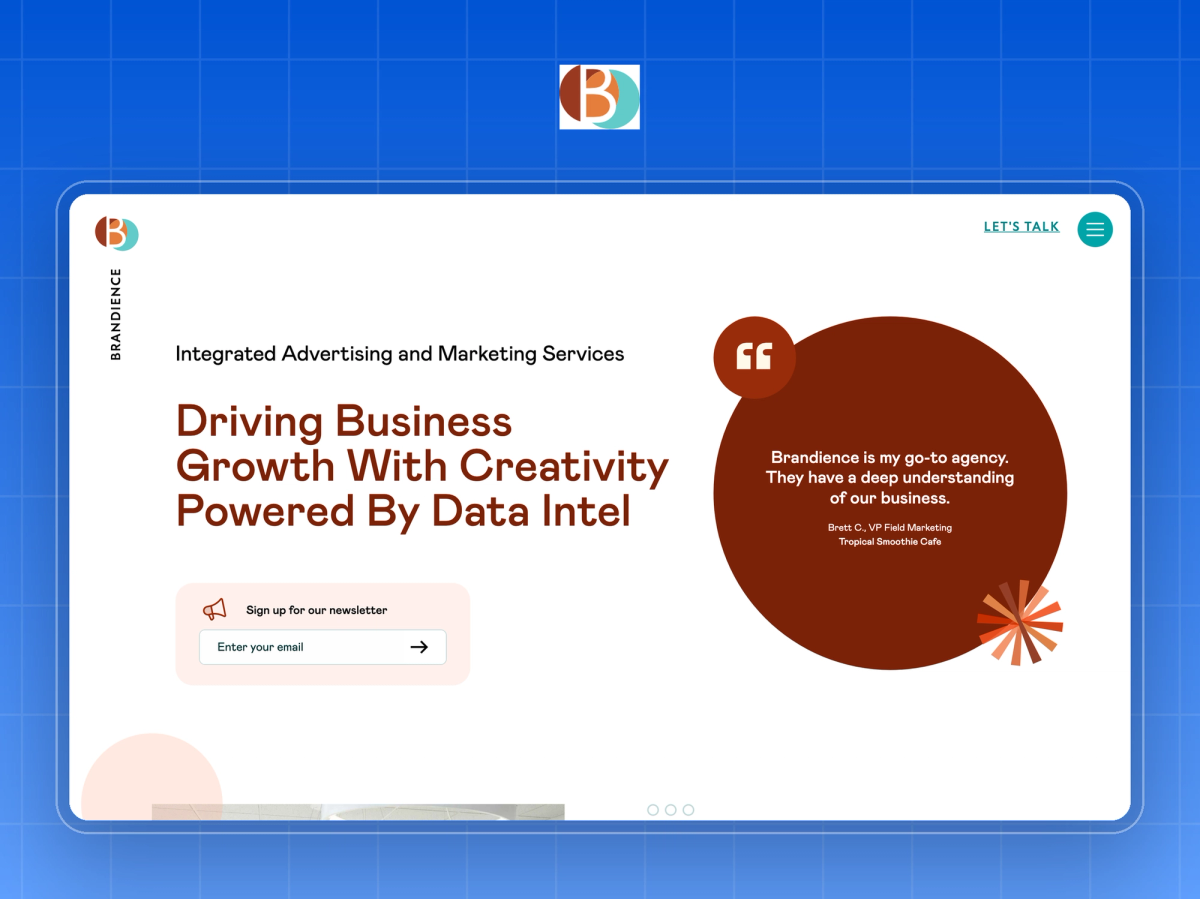
A healthcare marketing and branding agency working with provider organisations and health services businesses on brand alongside campaign execution.
- Best for: Provider organisations wanting brand and ongoing marketing from one team
- Strength: Combined brand and demand capability, useful when the rebrand has to show measurable results within the same budget year
- Limitation: Marketing-integrated model suits retained relationships more than a single decisive brand project
5. Healthcare Success
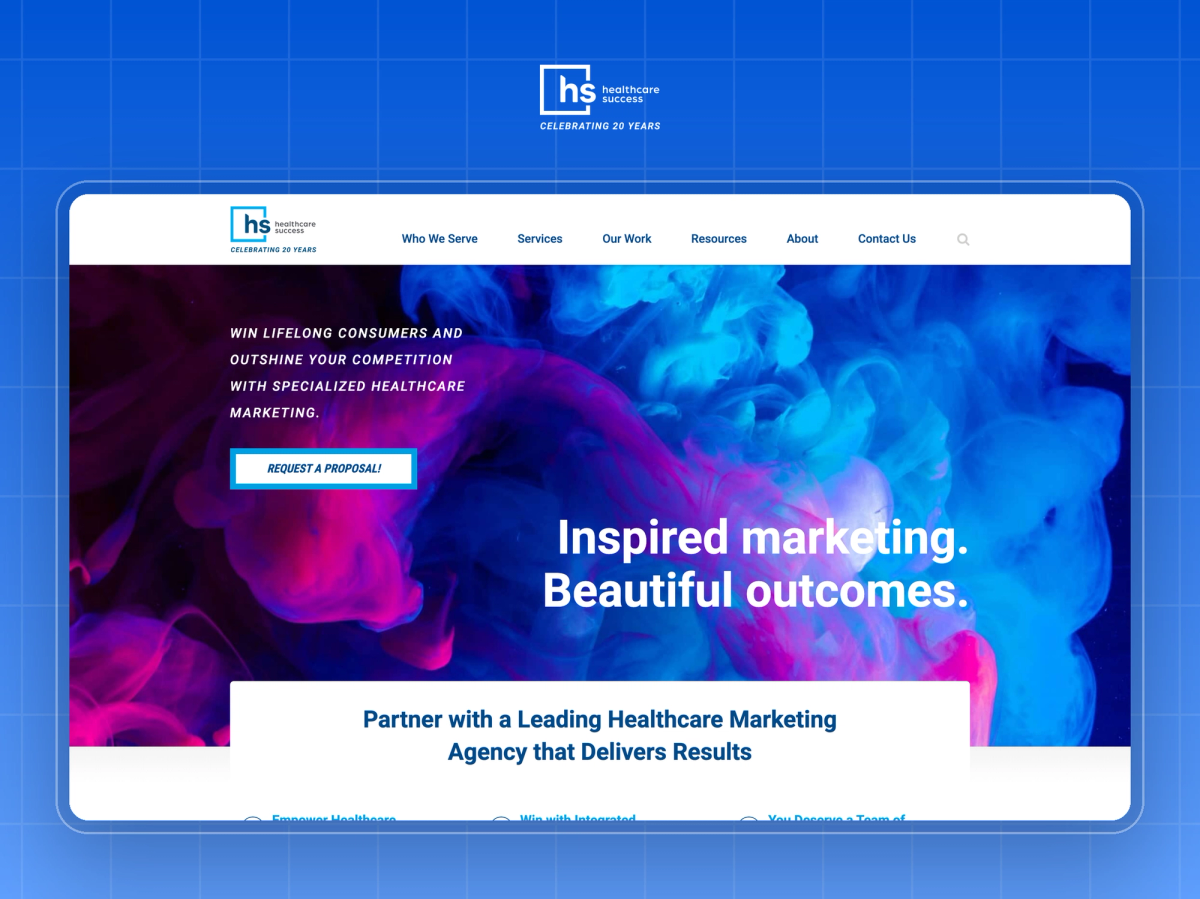
A healthcare marketing agency with a long track record in provider and practice branding, covering strategy through to patient acquisition.
- Best for: Practices, provider groups and healthcare services businesses focused on patient volume
- Strength: Deep provider-side experience, including the referral dynamics and community positioning that drive practice growth
- Limitation: Provider orientation means less relevance for companies selling technology into health systems
6. Atomicdust
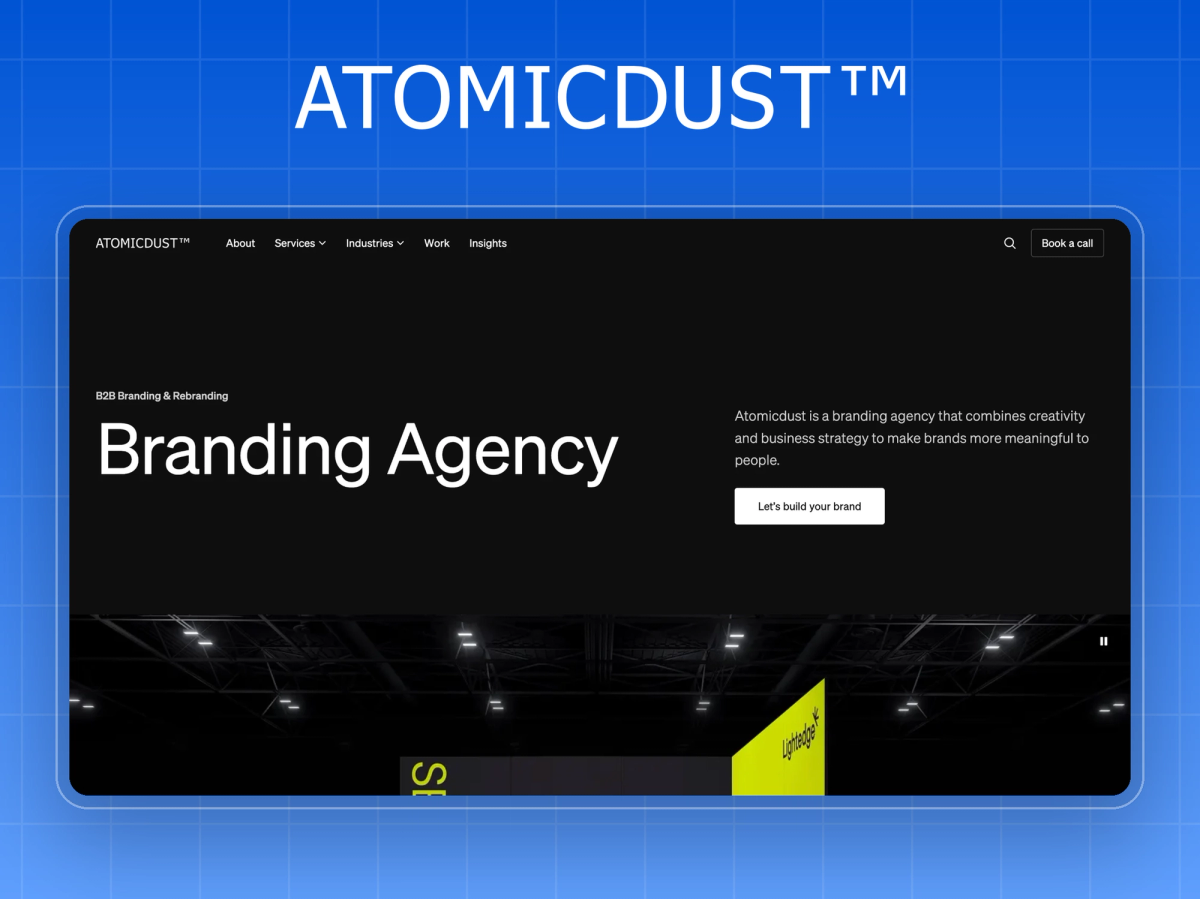
A St. Louis agency with a healthcare branding practice covering brand strategy, identity and digital, working across providers and health services.
- Best for: Mid-market healthcare organisations wanting brand and digital from a single accountable team
- Strength: Balanced strategy and craft at mid-market scale, with continuity of team through the engagement
- Limitation: Healthcare is one practice among several rather than the whole firm
7. BNO
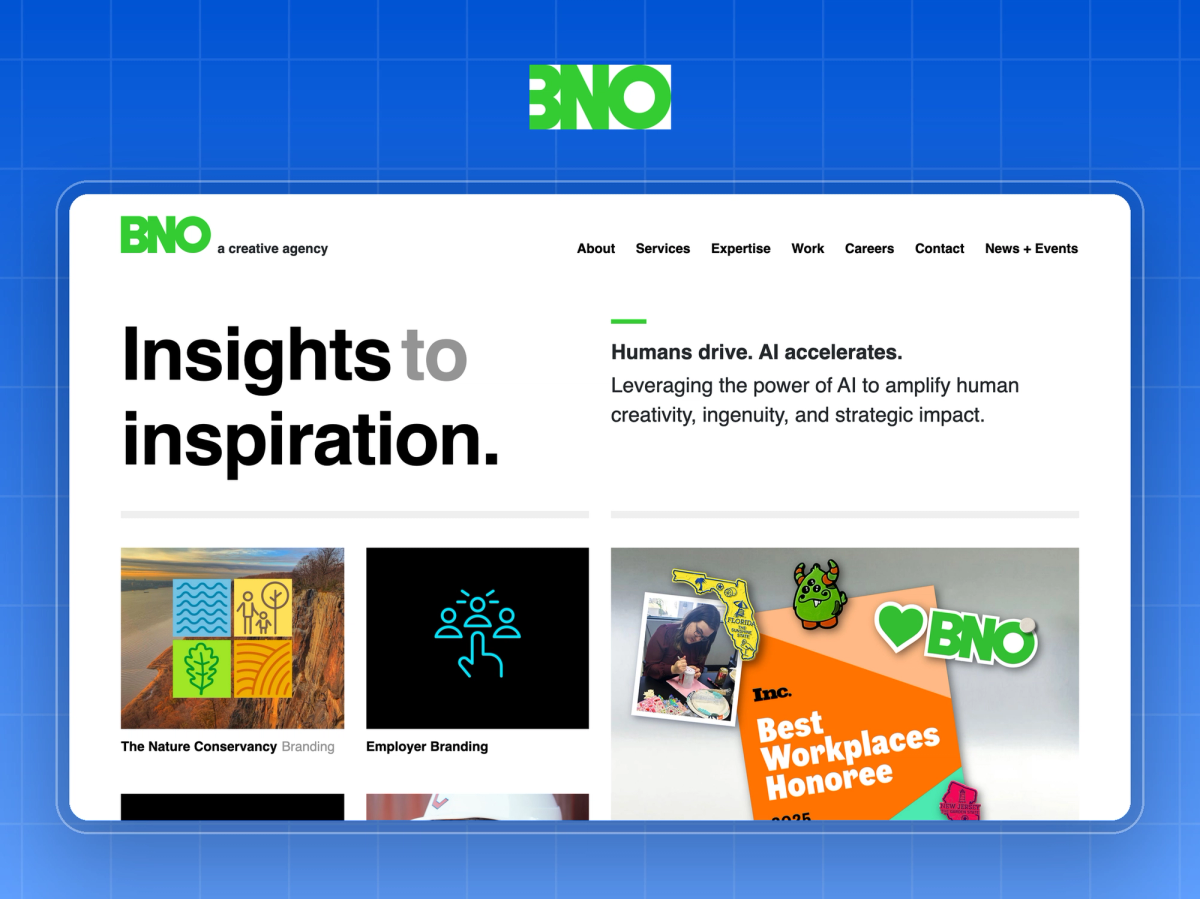
A branding and marketing agency with deep experience in medtech, pharmaceutical and life sciences, including regulated product communication.
- Best for: Medical device, diagnostics and life sciences companies whose claims go through formal review
- Strength: Genuine fluency in regulated claims and scientific communication, which prevents the rework that sinks most medtech brand timelines
- Limitation: Regulated-industry orientation makes the process more structured than a fast-moving digital health company may want
8. Dappersmith
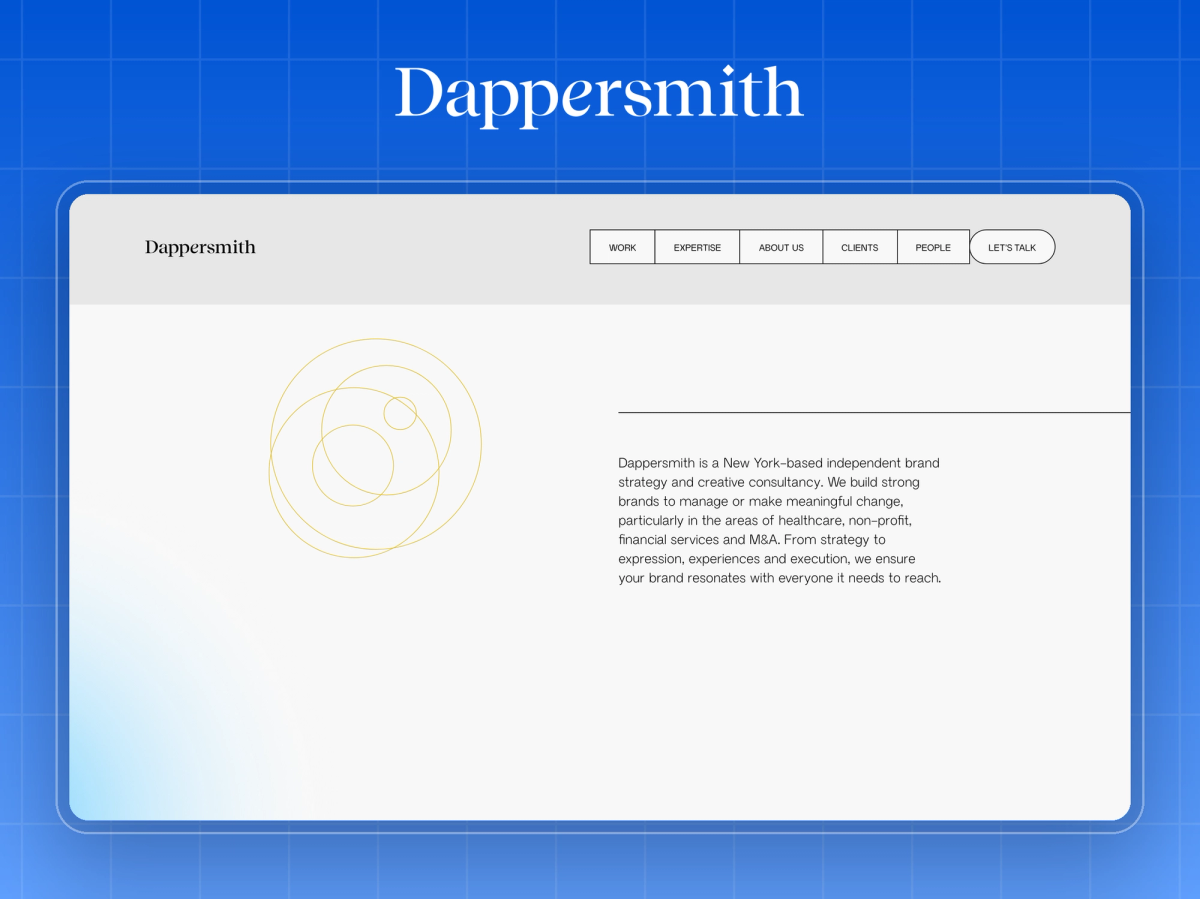
A New York healthcare branding agency working on identity and brand for care organisations and healthcare businesses.
- Best for: Care brands who need to feel human without losing clinical credibility
- Strength: Strong identity craft applied specifically to care contexts, where warmth and competence have to coexist rather than trade off
- Limitation: Identity-led scope, so strategy-heavy repositioning and large rollouts sit better elsewhere
9. Digital Silk
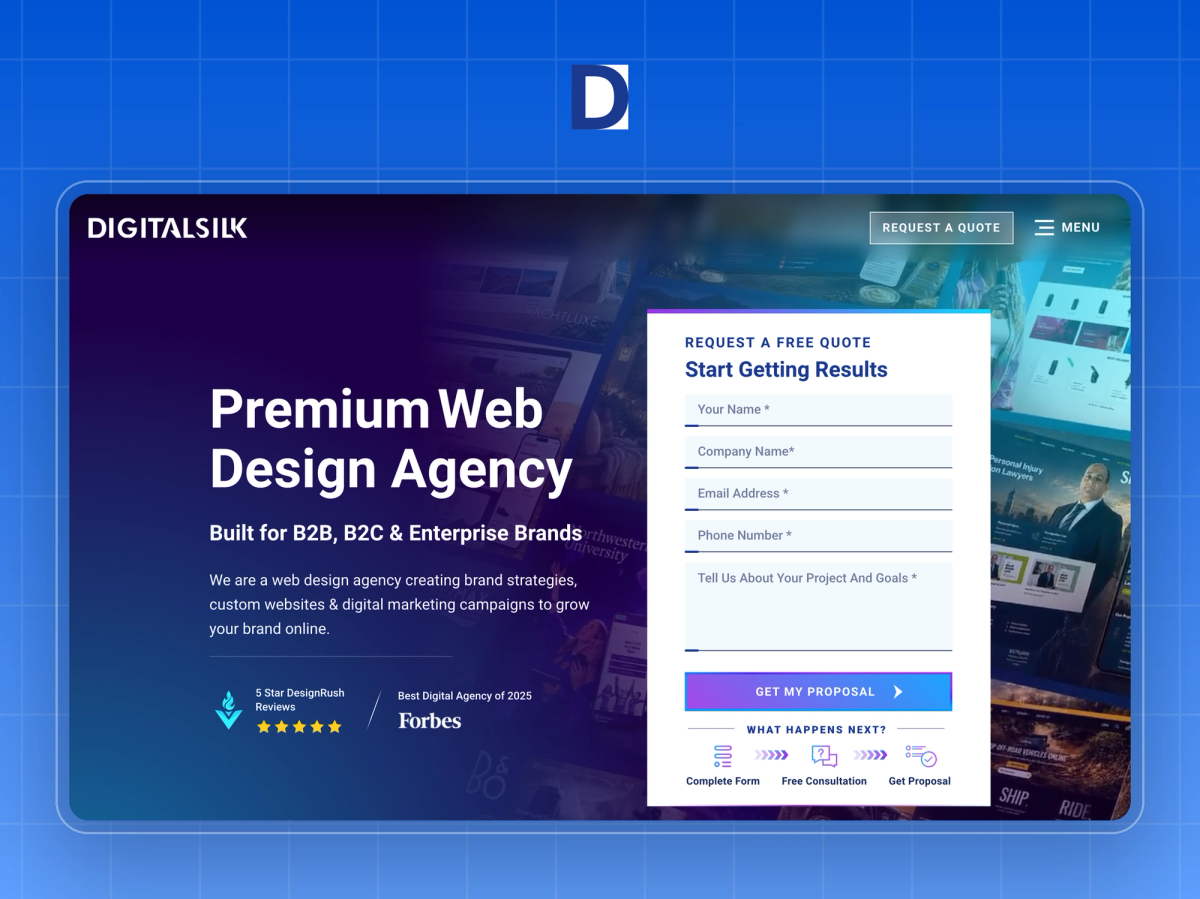
A digital agency covering healthcare branding alongside website design and development, serving both healthtech and provider clients.
- Best for: Healthcare organisations wanting brand and a substantial website build from the same vendor
- Strength: Combined brand and development capability at scale, which removes the handoff between identity and implementation
- Limitation: Generalist digital agency with a healthcare practice, so sector fluency depends on which team you get
10. Pentagram
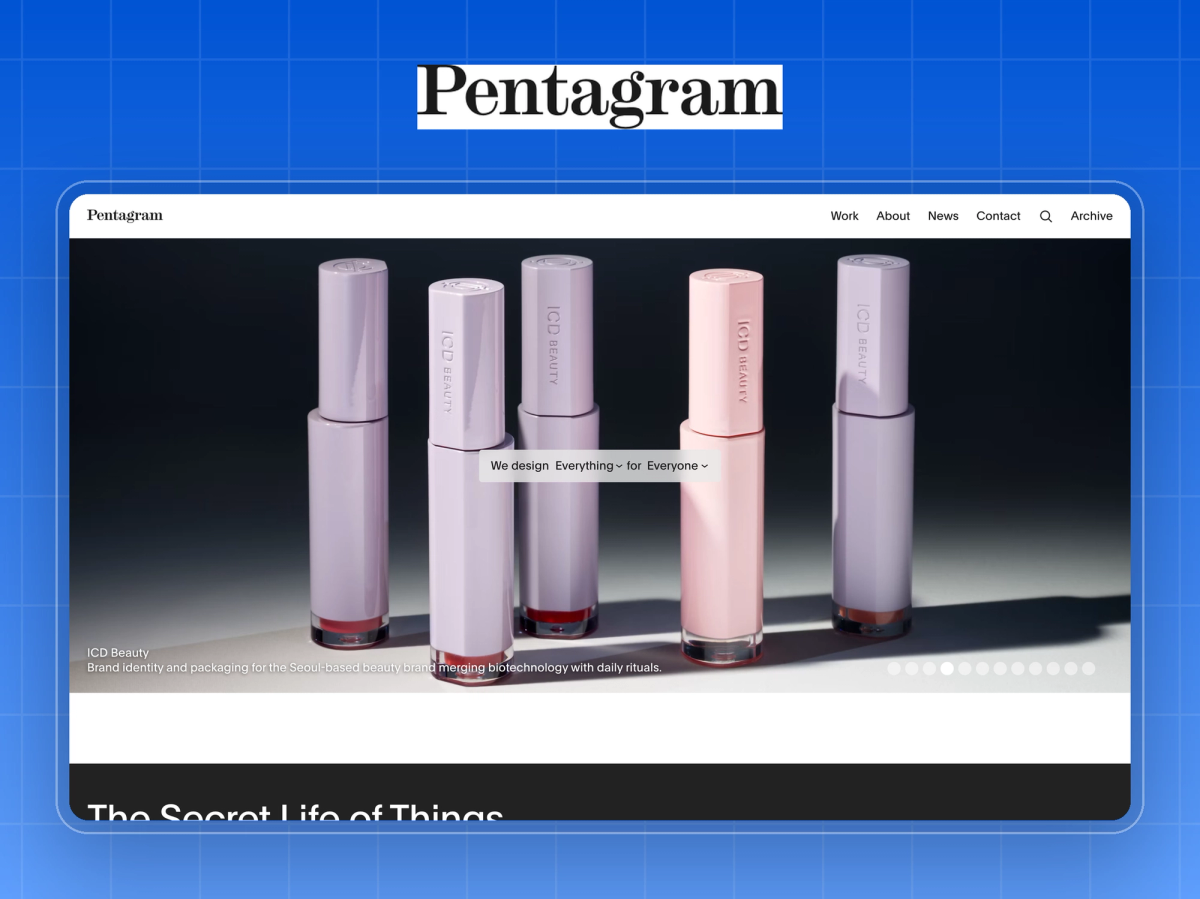
An internationally recognised design firm whose work includes major health and institutional identity projects.
- Best for: Large health institutions where the identity itself is a public-facing statement
- Strength: Design authority that carries weight internally, which can be the deciding factor when a brand decision needs to survive institutional resistance
- Limitation: Design-led and priced accordingly, with healthcare as one sector among many rather than a specialism
What Healthcare Branding Costs in 2026
Ranges vary more here than in general B2B branding, because the research and review load differs so much by segment.
| Engagement | Typical range | What it covers |
|---|---|---|
| Identity refresh | $20,000 to $40,000 | Visual system and guidelines on existing positioning |
| Digital health rebrand | $40,000 to $75,000 | Research, positioning, messaging, identity, guidelines |
| Medtech rebrand | $50,000 to $150,000 | Above, plus regulated claims review and sales collateral |
| Health system rebrand | $75,000 to $200,000+ | Stakeholder research, architecture, signage, rollout, migration |
Two costs get missed at proposal stage. The first is review time. Clinical, legal and regulatory review can add four to eight weeks, and it is calendar time rather than agency effort, so it does not show up in a scope of work.
The second is physical rollout. Health systems carry signage, wayfinding, badges, forms and vehicle livery. That work regularly exceeds the design fee, and discovering it after approval is how rebrands stall halfway through.
The Trust Ladder
Healthcare brands earn belief in a fixed order. Skip a rung and everything above it fails, no matter how good the design is. Before briefing an agency, work out which rung you are actually failing on.
Rung 1: Category. Does the visitor understand what kind of thing you are within five seconds? In digital health this is where most brands fail, because the category is new and the copy describes a benefit rather than a thing.
Rung 2: Credential. Who are you and why are you allowed to do this? Clinical leadership, regulatory clearances, institutional partners, published work. Missing credentials are the most common failure for well-funded startups with beautiful websites.
Rung 3: Evidence. Does it work, and how do you know? Outcomes, studies, deployment scale. Claims without evidence read as marketing to exactly the audience you need most.
Rung 4: Experience. What will working with you feel like? Onboarding, support, integration. This is where providers and care brands compete, and where technology companies routinely forget to say anything.
Rung 5: Affinity. Do I want this to be the one? Personality, values, design quality. Real, but worthless if rungs one to four are shaky.
Diagnose honestly. Most companies commissioning a rebrand believe they have a rung five problem. In practice, a strong majority are failing at rung one or two, which is a positioning and proof problem that no visual system fixes.
At Windmark we run this before design begins, because a beautiful identity stacked on an unclear category is the most expensive kind of rework.
What Healthcare Brand Work Actually Delivers
Proposals across these ten agencies use different vocabulary for broadly the same sequence. Knowing it makes it obvious when a proposal has quietly dropped a stage.
Audit and research. What your brand currently signals, to whom, measured rather than assumed. In healthcare this includes talking to clinicians, which is slow and is the stage most often cut.
Positioning. The category you are claiming, who you are for, and why you are the credible choice. In digital health this is frequently the entire value of the engagement.
Messaging and claims. Core message, tone, proof points, and crucially the claims matrix that says what you can state and what evidence backs each statement. Medtech projects live or die here.
Visual identity. Logo, type, colour, photography direction and the full system. In healthcare, photography direction carries more weight than usual, because stock imagery of smiling clinicians actively reduces credibility.
Guidelines and rollout. Documentation plus the plan for applying it across website, collateral, product UI, signage and internal comms. Ask what is included and what is billed separately.
Five Questions Before You Sign
- "Which of the three healthcare markets do you actually work in?" An agency that says all three is describing its ambitions, not its experience
- "Walk me through a regulated claim you had to rewrite." A specific story here proves the team has been through review. Generalities prove it has not
- "How do you protect existing brand equity?" In healthcare, recognition among referring clinicians is an asset, and an agency that treats a rebrand as a blank slate may destroy it
- "What does rollout include, and what does it exclude?" Get signage, collateral, product UI and internal comms addressed explicitly in the scope
- "Who reviews the work on our side, and when?" An agency that has not asked about your clinical and legal reviewers by the second call has not planned for them
Rebrand or Reposition
These get conflated and they are different budgets with different outcomes.
A reposition changes what you claim and who you claim it for. It may leave the logo untouched. It is cheaper, faster, and it is what most healthcare companies actually need.
A rebrand changes the identity as well. It is warranted when the visual system genuinely contradicts the positioning, when a merger forces a decision, or when the equity you hold is negative rather than positive.
If the Trust Ladder shows you failing at rung one or two, start with repositioning. Our B2B branding guide covers how to tell the two apart, and the healthcare industry page covers how we approach the sector specifically.
If you are weighing a healthcare rebrand, the honest first step is the Trust Ladder above rather than a shortlist. The rung you are failing on determines which of these ten agencies is even relevant.
If you would like someone to run it with you, book a call and we will work through your current positioning, including the cases where the answer is that you need copy and proof rather than a new identity.