
 ChatGPT
 Claude
 Gemini
 Perplexity AI
Your churn is fine for the first month and terrible by month three. Support tickets cluster around the same two screens. Sales demos go well, then trials go quiet. Someone in the leadership meeting says the product needs a redesign, and everybody nods, because that is the thing you say when the numbers look like this.
The problem is that "redesign the product" is not a brief, it is a mood. SaaS products have five or six distinct surfaces and they fail for different reasons. Redesigning the core application when the real damage is in a 90-second onboarding flow is how companies spend six figures and move nothing.
Product Design or Website Design: The Distinction Most Lists Ignore
Search "SaaS UI/UX design agency" and Google returns two completely different businesses mixed into one results page. Sort this first, because it eliminates most of the list immediately.
| Product design agencies | Website design agencies | |
|---|---|---|
| What they design | Dashboards, in-app flows, onboarding, admin | Homepage, pricing, product pages, blog |
| Who they work with | Product managers, engineering, founders | Marketing, demand gen, founders |
| Deliverables | Figma systems, prototypes, component libraries | Live website, CMS, content structure |
| Measured on | Activation, retention, task completion | Traffic, conversion, pipeline |
| Typical model | Monthly retainer or subscription | Fixed-price project |
| Handoff | To your engineers | Site goes live, your marketers run it |
Both call themselves SaaS design agencies. Both rank for this term. Hiring the wrong one is the most common and most expensive mistake in this category, because you do not discover it until kickoff.
The Surface Map
Before briefing anyone, map which surface is actually failing. It takes an hour and it changes the brief more often than not.
List your six surfaces and put the real metric next to each one.
1. The website. Do strangers understand the product? Metric: homepage-to-signup or demo conversion rate.
2. Signup and onboarding. Do new users reach first value? Metric: activation rate, and time to first meaningful action.
3. The core application. Can users do the main job efficiently? Metric: task completion, support tickets per feature.
4. Settings and admin. Can an admin configure without help? Metric: setup-related tickets, time to full deployment.
5. Pricing and upgrade. Do users self-serve into a higher tier? Metric: self-serve expansion rate.
6. Docs and help. Can users answer their own questions? Metric: deflection rate, search-to-ticket ratio.
Now mark the one with the worst number. That surface is your brief, and it usually is not the one people are talking about in meetings.
The pattern we see most: the worst number sits at surface two, onboarding, while the conversation in the room is about surface three, the app. Onboarding is cheaper to fix, faster to ship, and moves retention harder than a core redesign.
At Windmark we run this before quoting, because the honest answer is frequently that the surface we work on is not the one that needs the money.
How We Ranked These Agencies
Every agency below currently ranks on page one for SaaS UI/UX design searches in the US. We separated them by which surfaces they actually design, engagement model, and the stage of company they fit.
One honest limitation is named for each. It is a fit boundary rather than a criticism.
Quick Comparison
| Agency | Surfaces | Model |
|---|---|---|
| Eleken | Product, app, dashboards | Subscription |
| Phenomenon | Product and website | Project |
| Zeeframes | Dashboards, data-heavy UI | Project |
| Musemind | Product and brand | Project |
| Octet Design | Product, enterprise UX | Project |
| Ramotion | Brand, product, website | Project |
| Fuselab Creative | Product, complex data UX | Project |
| Qubstudio | Product, research-led UX | Project |
| Saasfactor | Product, early-stage SaaS | Project |
| Windmark | Website only | Project |
The 10 Best SaaS UI/UX Design Agencies in 2026
1. Eleken
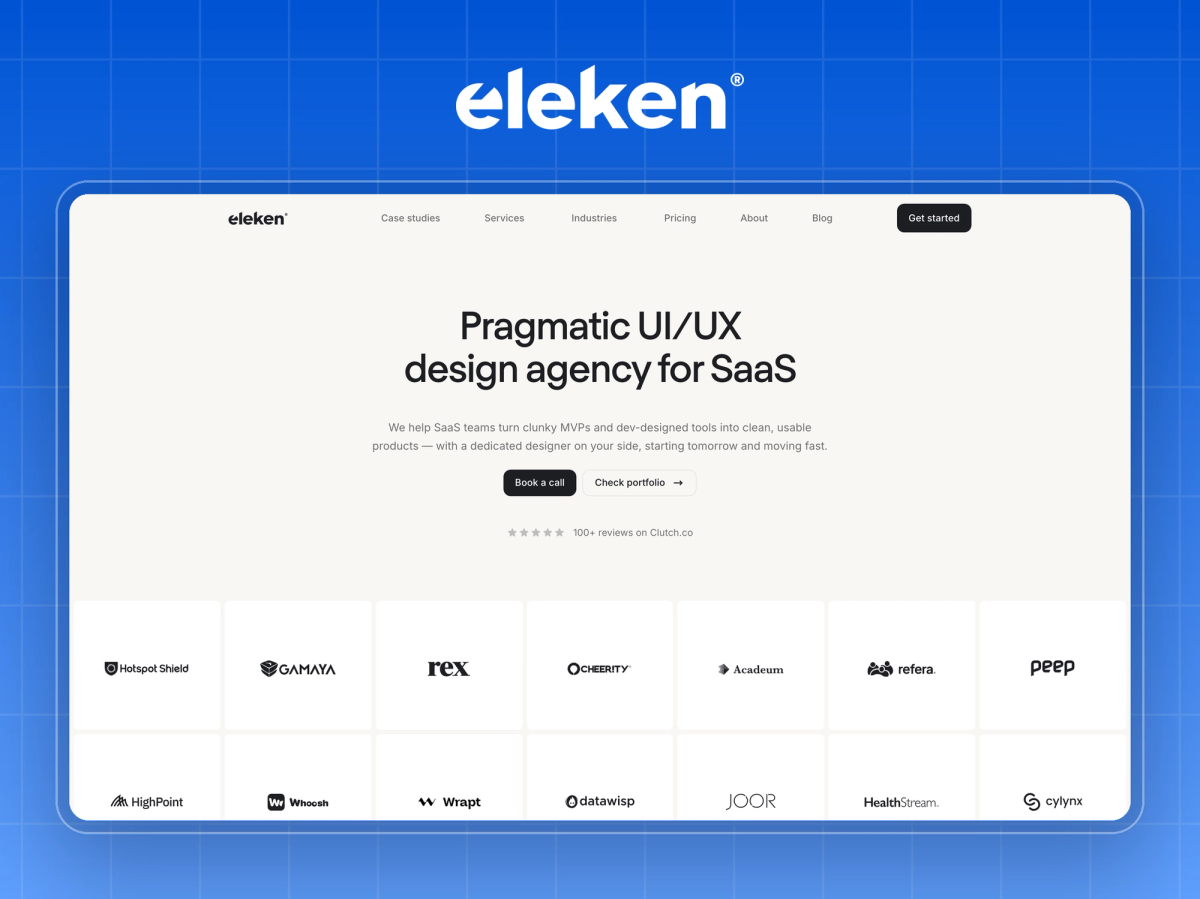
A SaaS-only product design agency working on a subscription model, and the strongest-ranking specialist for this term by a clear margin.
- Best for: SaaS companies needing continuous product design without hiring in-house
- Strength: Exclusively SaaS product design, with a subscription model that gives you a dedicated designer at predictable monthly cost. The narrow focus means the team has already seen your interface problem in another product
- Limitation: Subscription model assumes ongoing work. Companies wanting one defined redesign and then nothing will find the commitment shape awkward
2. Phenomenon
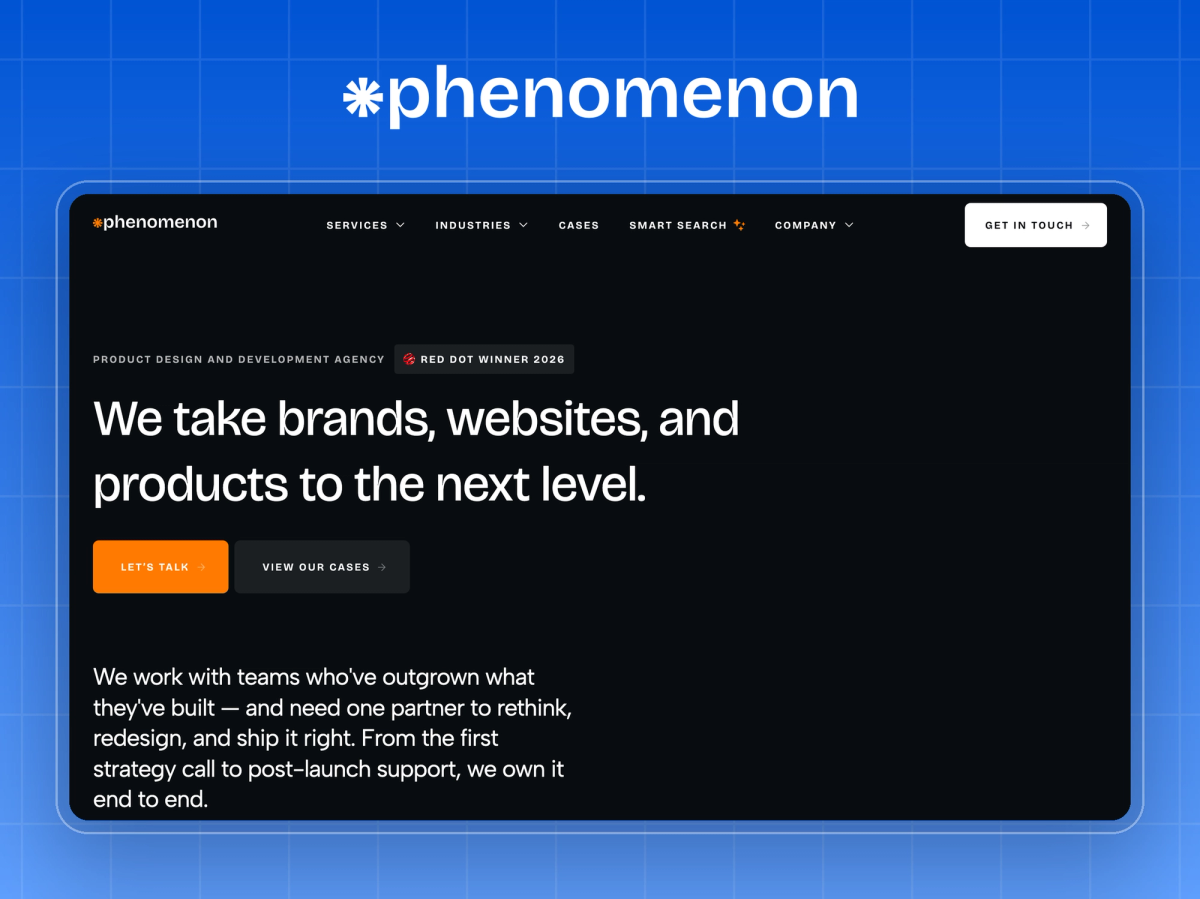
A design agency covering both SaaS product interfaces and websites, aimed at companies where the two have drifted apart.
- Best for: SaaS companies where the app behind the login looks nothing like the site that sold it
- Strength: Genuinely covers both surfaces, which closes the credibility gap prospects hit when they sign up and find a different product than the website implied
- Limitation: Covering both means less depth than a pure product specialist on complex application UX
3. Zeeframes
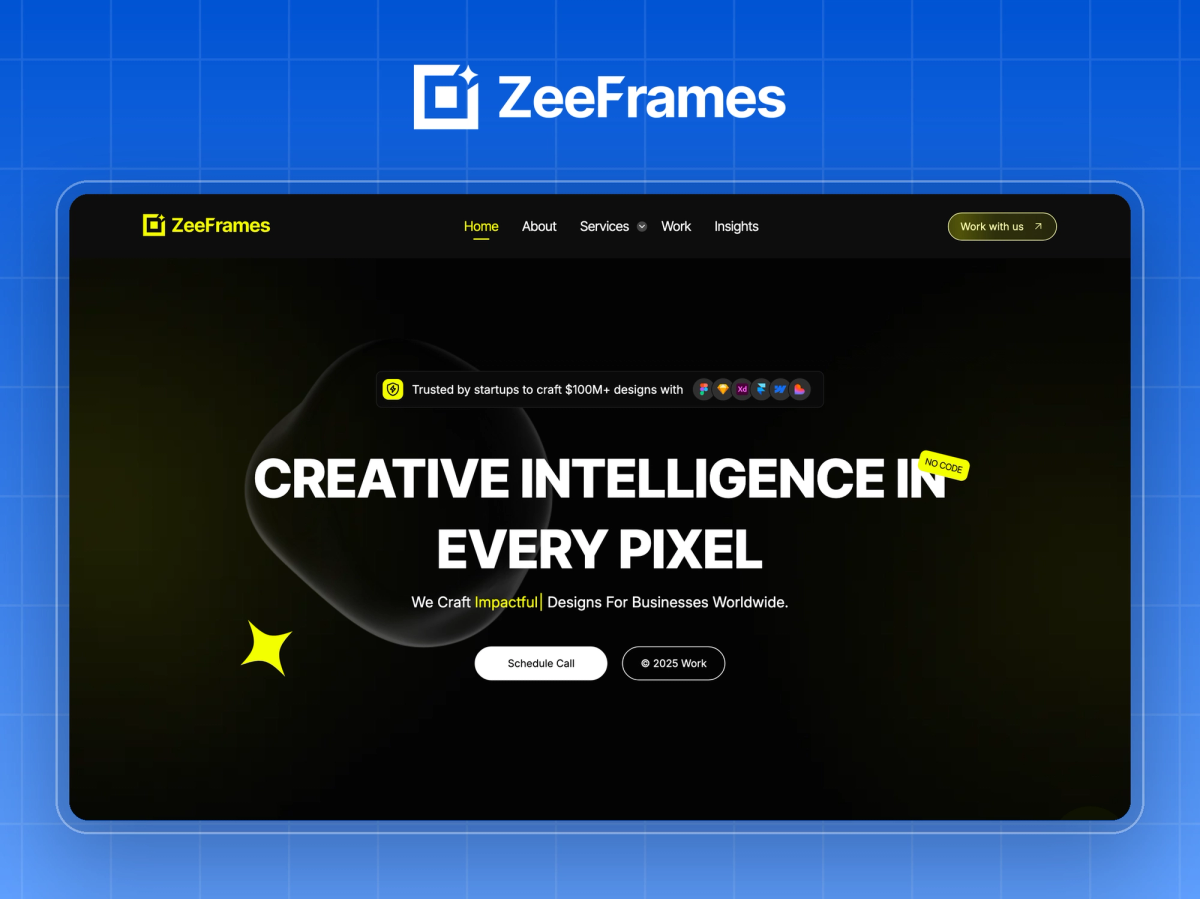
A SaaS UI/UX agency positioned specifically around dashboards and data-dense product interfaces.
- Best for: Analytics, observability and reporting products where the interface is mostly tables, charts and filters
- Strength: Dashboard and data-visualisation specialism, which is a genuinely distinct craft that general product designers handle poorly
- Limitation: Data-UI focus means less relevance for consumer-feeling SaaS or workflow-led products
4. Musemind
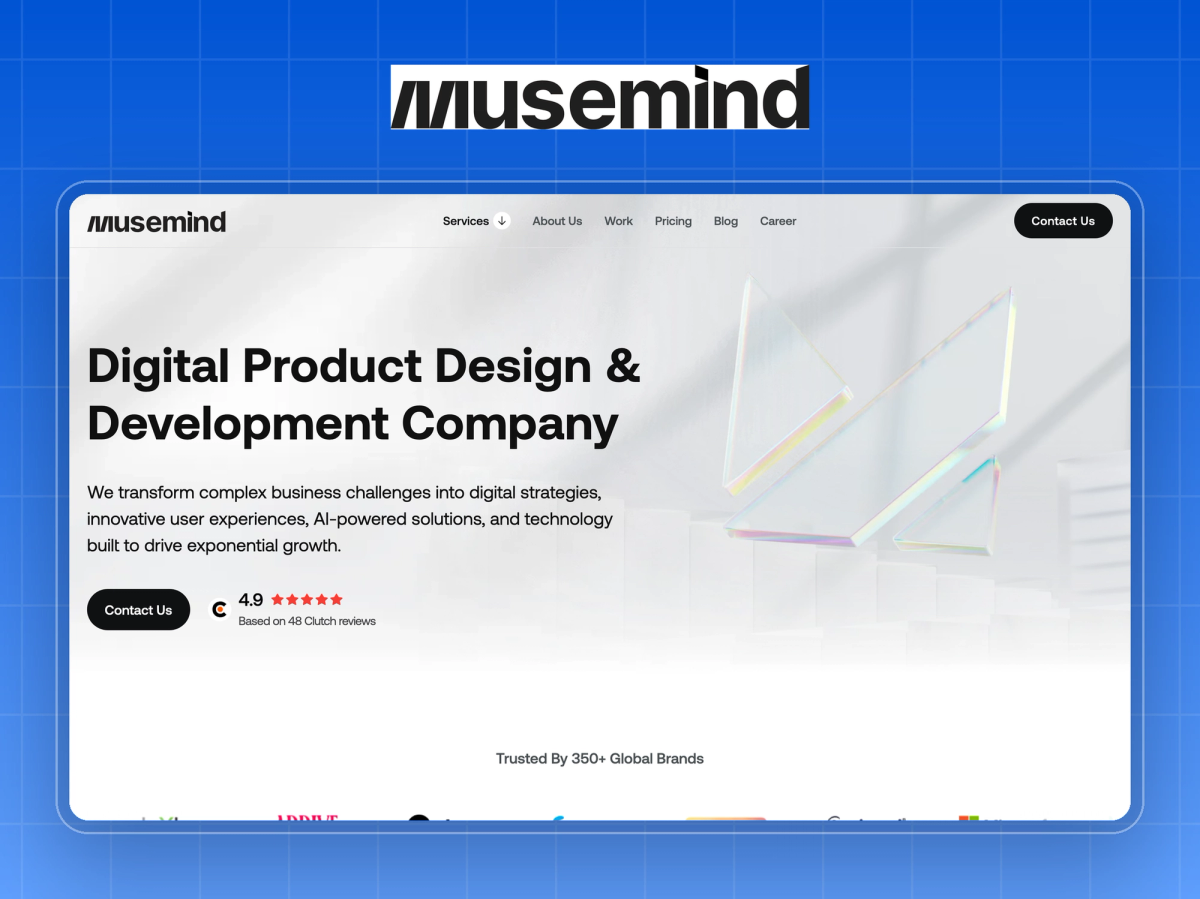
A design agency working across SaaS product design and brand, with substantial output across B2B software categories.
- Best for: SaaS companies wanting product design and visual brand handled together
- Strength: Strong visual craft applied to product, useful when the interface looks dated next to better-funded competitors
- Limitation: Visual-led approach means research depth varies by engagement
5. Octet Design
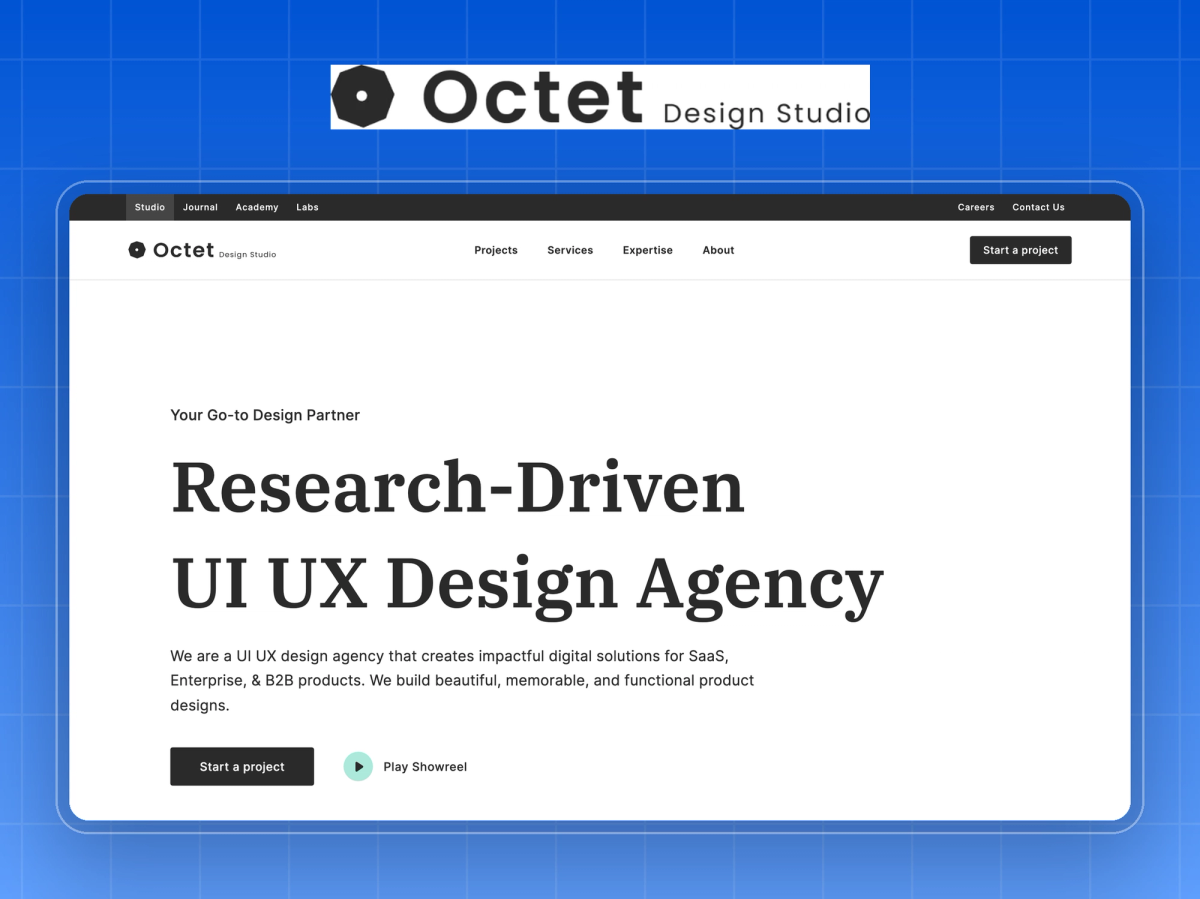
A UI/UX agency with a strong SaaS and enterprise practice, covering research through to interface delivery.
- Best for: Enterprise SaaS products with complex permission models and multiple user types
- Strength: Comfort with enterprise complexity, including the admin and configuration surfaces most agencies skip entirely
- Limitation: Enterprise orientation is heavier process than an early-stage product needs
6. Ramotion
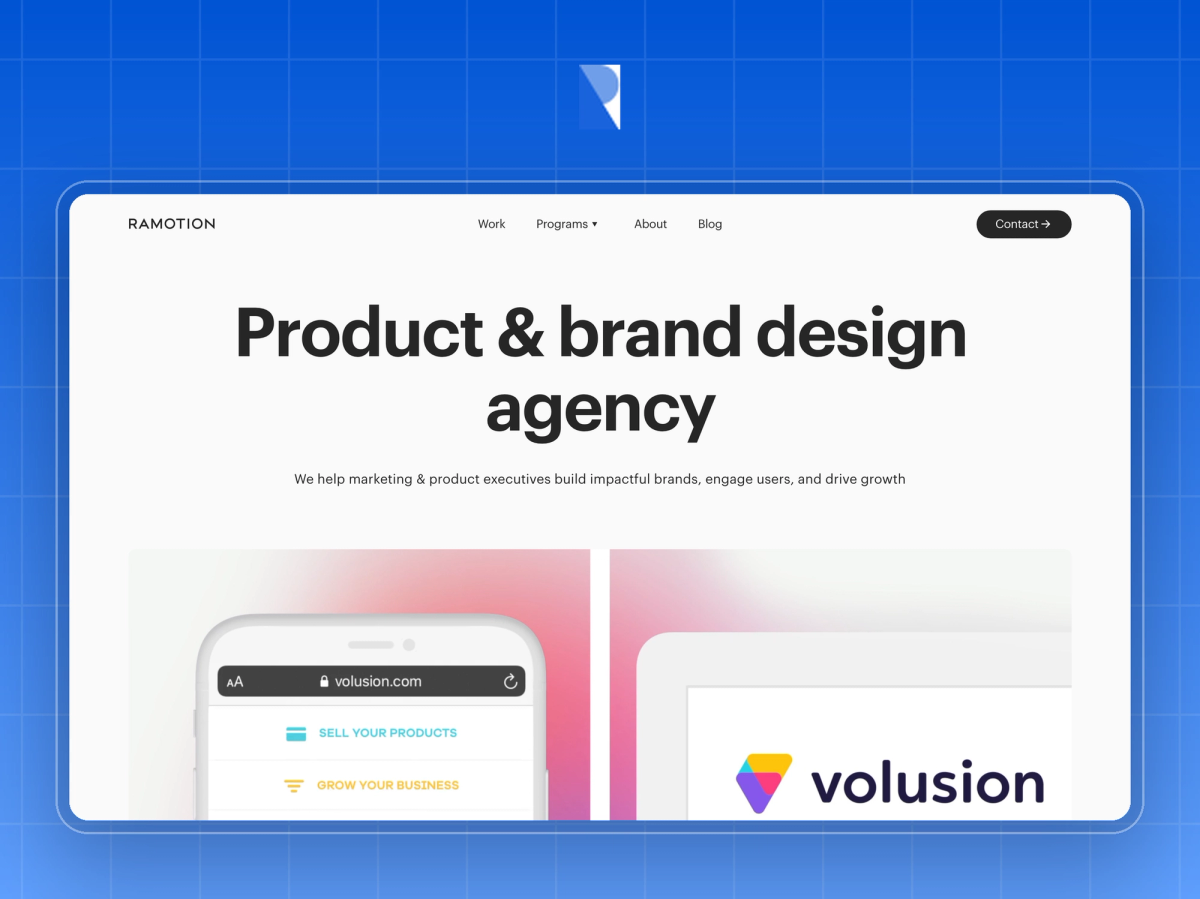
A design agency covering brand identity, product design and web, with a substantial SaaS client base.
- Best for: SaaS companies where brand, product and website all need addressing as one connected problem
- Strength: Breadth across three disciplines from one team, which prevents the mismatch that appears when three vendors work in parallel
- Limitation: Broad scope means larger, longer engagements than a single-surface fix
7. Fuselab Creative
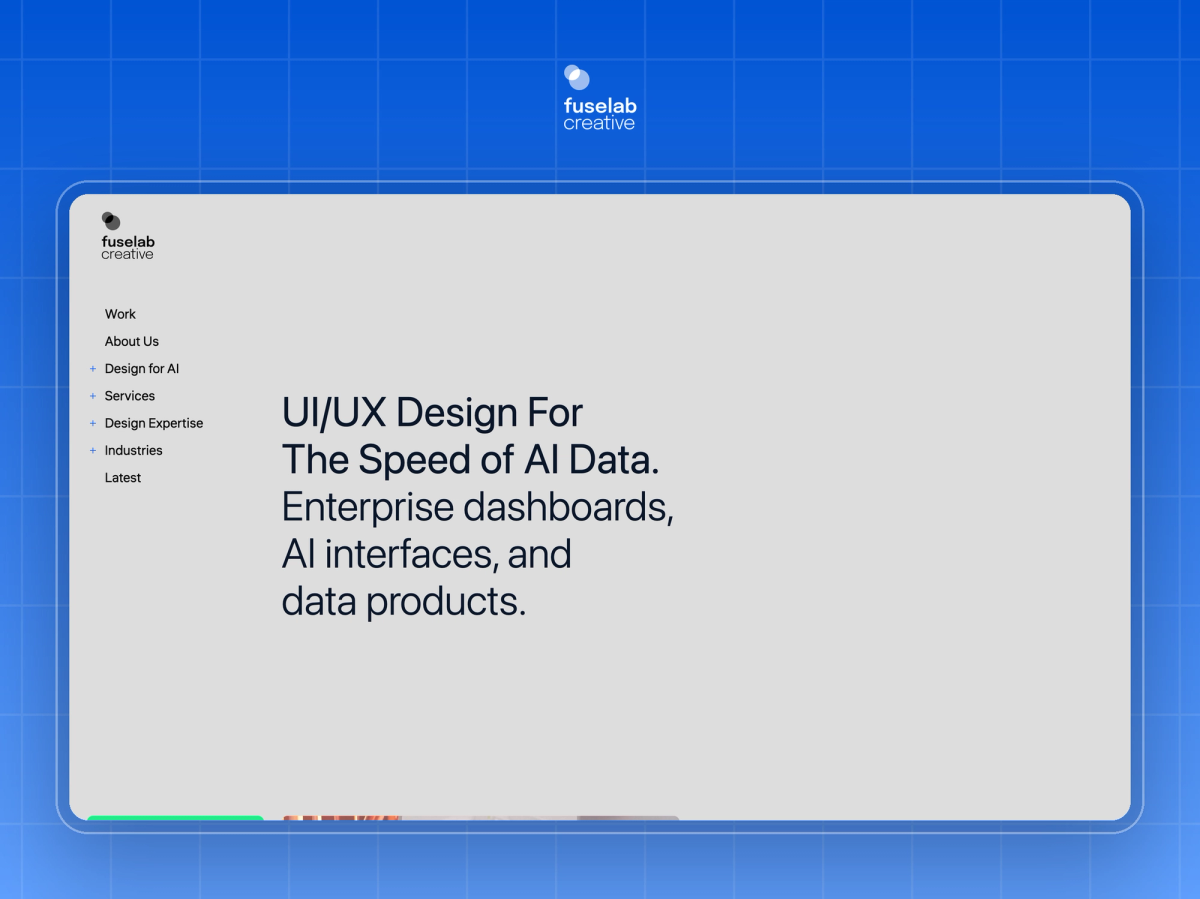
A UI/UX agency working on SaaS and complex data products, with experience across technical and regulated categories.
- Best for: SaaS products where the underlying domain is technical and the interface has to make it navigable
- Strength: Comfort with complex domain logic, which matters when the design problem is really an information architecture problem
- Limitation: Technical-product focus means less pattern depth in simpler, self-serve SaaS
8. Qubstudio
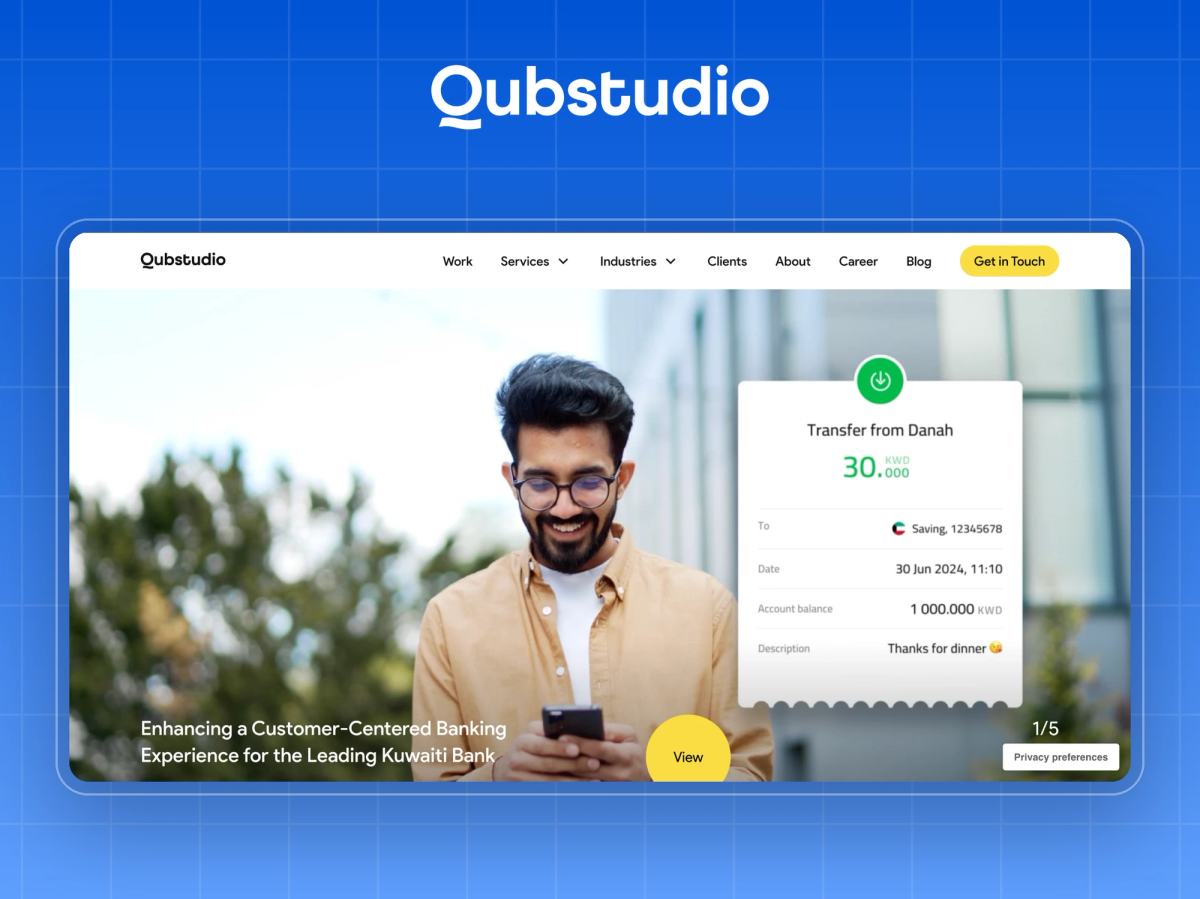
A product design agency with a research-led process, working across SaaS and digital products.
- Best for: SaaS companies who need evidence behind design decisions before engineering commits
- Strength: Research discipline, which is the difference between a redesign that works and one that moves the problem somewhere else
- Limitation: Research-first sequencing means visible design work starts later than some teams expect
9. Saasfactor
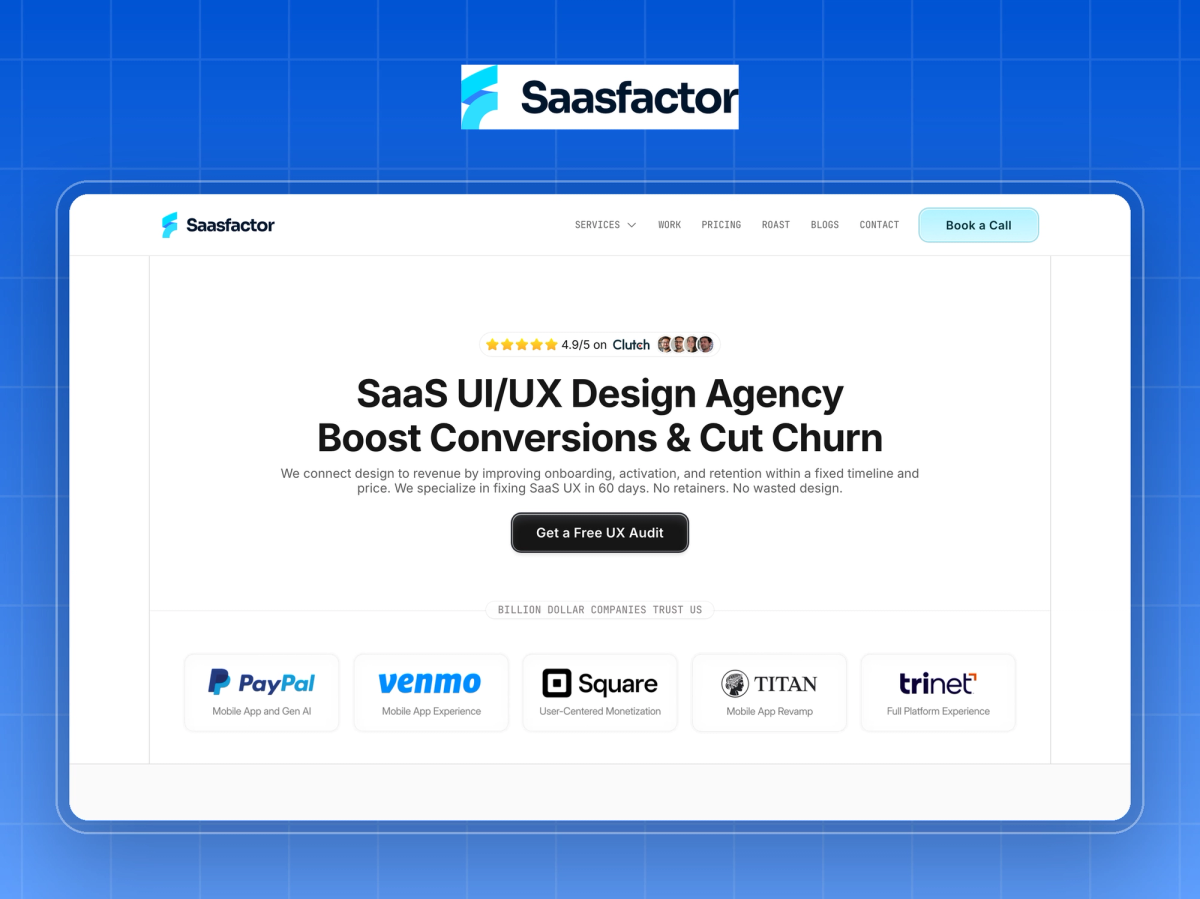
A SaaS-focused UI/UX agency oriented to earlier-stage products and faster engagements.
- Best for: Early-stage SaaS companies needing credible product design without a retainer commitment
- Strength: Accessible entry point into SaaS product design, scoped for teams pre-Series A
- Limitation: Smaller engagement scope means less research and systems work than a funded company should expect
10. Windmark
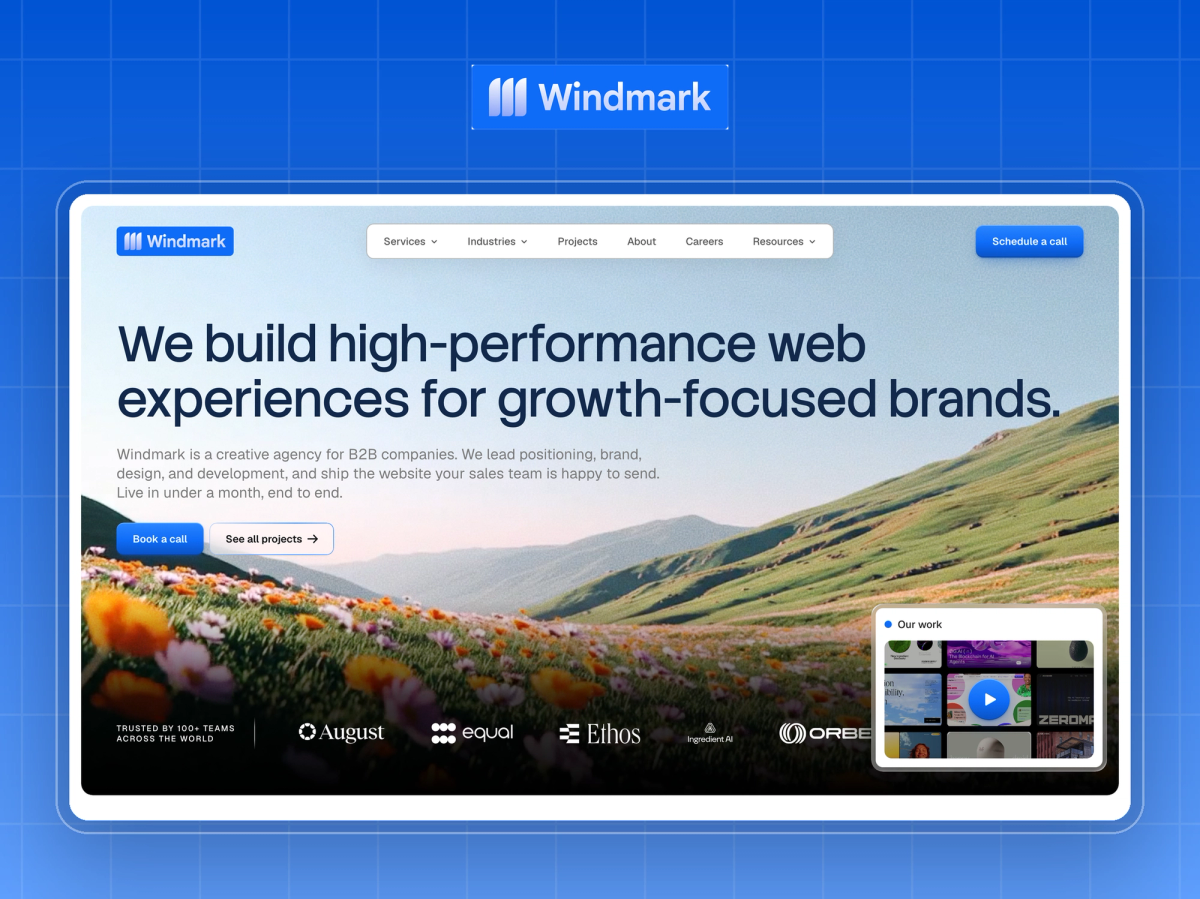
A design and Webflow development agency working on the website surface for SaaS and technical product companies across AI, fintech, healthtech, robotics and clean-tech.
- Best for: SaaS companies whose website fails to explain the product, and who want the site editable by marketing afterwards
- Strength: Named SaaS work including Lemon Squeezy, rebuilt into a conversion-focused site in four weeks, and Wispr Flow, where the animation system was engineered so heavy motion never slowed page load. Webflow Premium Partner, 120+ projects, 90+ Lighthouse scores
- Limitation: Website surface only. We do not design dashboards, onboarding flows or in-app experiences. If the Surface Map points at surfaces two through six, hire one of the product specialists above
Listed last deliberately. If your problem is the product interface, nine agencies above are better suited, and it is worth saying so plainly. See the work at thewindmark.com/projects/ or the web design service page.
What SaaS Product Design Costs in 2026
| Engagement | Typical range | What it covers |
|---|---|---|
| Subscription design | $5,000 to $12,000 a month | Dedicated designer, continuous product work |
| Onboarding redesign | $15,000 to $35,000 | Research, flow redesign, prototypes, handoff |
| Core app redesign | $40,000 to $120,000 | Research, IA, full interface, design system |
| Design system build | $25,000 to $60,000 | Component library, tokens, documentation |
| Website rebuild | $15,000 to $60,000 | Positioning, design, build, CMS |
The line item teams underestimate is engineering implementation. A product redesign produces Figma files, not shipped software. If your engineering roadmap has no capacity to build it, you have bought a beautiful backlog item.
Ask two questions before signing any product design engagement: who implements this, and when. If the honest answer is "sometime after the current quarter," delay the design work until the build capacity is real.
What Happens After the Figma Files Land
The single biggest failure in SaaS product design is not bad design. It is design that never ships.
An agency delivers a redesigned onboarding flow in week ten. Engineering is mid-sprint on something else. The files sit in Figma. Three months later the product has changed enough that half the screens are stale, and the redesign quietly becomes a reference document nobody opens.
Three things prevent it, and all three are decided before the engagement starts.
Engineering capacity booked in advance. Not "we will find time." A named sprint, in the roadmap, before design begins. If that conversation is uncomfortable, the design work is premature.
A component library your engineers can actually consume. Screens are cheap to draw and expensive to build. A design system mapped to your front-end framework turns a three-week build into a three-day one, which is why the system is worth more than the screens.
A named owner on your side. Someone who answers the agency's questions within a day, makes the call when two options are both fine, and carries the work into build. Engagements without this drift by weeks in the first month.
Ask every agency on your shortlist how they handle all three. The ones who have shipped rather than just designed will have specific answers ready, because they have been burned by the alternative.
Subscription or Project: Which Model Fits
The engagement model matters as much as the agency, and most teams pick it by accident.
Subscription works when product design is continuous: you ship features monthly and need a designer in the loop permanently. Predictable cost, fast turnaround on small things, and the designer accumulates product knowledge. It is poor value if your actual need is one decisive redesign.
Project works when there is a defined problem with an end state: rebuild onboarding, redesign the admin area, launch the new website. Fixed scope, fixed price, clear completion. It is poor value if you will need a designer again in six weeks.
In-house becomes the right answer earlier than most founders expect. Once you need more than roughly 20 designer-days a month on an ongoing basis, a hire usually costs less than a retainer and builds institutional knowledge you keep.
The hybrid that works well: one in-house designer who owns the product surfaces day to day, plus a project agency for the website, which is bursty work that does not justify a second hire. That split matches how the workload actually arrives.
Five Questions to Ask on the First Call
- "Which of my six surfaces have you shipped for most?" Use the Surface Map language. An agency that claims all six equally is describing ambition
- "Show me a design system you built that engineers actually used." Not a Figma showcase. Ask how it was handed over and whether it survived
- "What research do you run, and what happens if it contradicts the brief?" An agency that has never pushed back on a brief will happily build the wrong thing beautifully
- "How do you work with our engineers?" Ask for the specific ceremony: design review cadence, spec format, who answers questions during build
- "What did you measure after launch?" Activation, retention or task completion. An agency with no post-launch numbers has never been held to one
SaaS UI/UX or SaaS Website: Picking From This List
If the Surface Map points at the website, your shortlist is Windmark, Phenomenon or Ramotion, and our comparison of SaaS website design agencies covers the page-level decisions in more depth.
If it points at onboarding or the core app, your shortlist is Eleken, Octet, Qubstudio or Fuselab depending on complexity. Data-heavy products should add Zeeframes.
If it points at several surfaces at once, that is usually a symptom rather than a diagnosis. Pick the one with the worst number, fix it, measure, then decide. Sequential beats simultaneous in product design, because each fix changes the numbers on the others.
Most teams arriving at this decision have already agreed something needs redesigning and have not yet agreed on what. The Surface Map above settles that in an hour, and it frequently shows the expensive option is not the right one.
If your answer turns out to be the website, book a call and we will look at your homepage and pricing page. If it turns out to be the product, hire one of the nine specialists above instead, and we will say so.