
 ChatGPT
 Claude
 Gemini
 Perplexity AI
Your engineering team ships weekly and your website has not changed in fourteen months. Every launch, someone asks marketing for a page, marketing asks engineering, engineering points at the roadmap, and the page arrives six weeks after the announcement it was meant to support. Meanwhile the homepage still describes the product you had two funding rounds ago.
That bottleneck is why SaaS companies go looking for a specialist agency, and it is rarely how the brief gets written. The brief says the site looks dated. The actual problem is that the website is coupled to the product codebase, so it moves at engineering speed while the go-to-market team needs it to move at campaign speed.
Product-Led or Sales-Led: The Split That Decides Everything
Before comparing agencies, work out which motion your website is serving. It changes the entire structure, and an agency fluent in one builds a mediocre version of the other.
| Product-led | Sales-led | |
|---|---|---|
| Primary action | Start free, sign up, try it | Book a demo, talk to sales |
| What the site proves | The product is easy to start | The vendor is safe to buy |
| Content weight | Product tours, use cases, docs, pricing depth | Security, compliance, case studies, ROI |
| Hardest page | Pricing. It has to answer without a call | Homepage. It has to survive a committee |
| Traffic model | High volume, self-serve, SEO-heavy | Lower volume, higher intent, ABM overlays |
| CMS demand | Very high. Constant publishing | Moderate. Fewer, heavier pages |
Most SaaS companies run both motions and lead with one. Say which one out loud in the brief. Agencies that have shipped mainly for product-led companies build beautiful self-serve funnels and then underweight the security page that closes enterprise deals.
Why SaaS Web Design Is a Distinct Specialism
Three things separate SaaS from general B2B web work.
The product is invisible. You are selling software nobody can hold. The website has to simulate the experience, which is why product visuals, interface screenshots and motion carry disproportionate weight here.
The site publishes constantly. Feature launches, integrations, comparison pages, changelog, customer stories. A SaaS site that needs a developer for every page will be out of date within a quarter, guaranteed.
Pricing is a design problem. More SaaS deals are lost on a confusing pricing page than on any other page. Tier structure, feature comparison and the gap between self-serve and enterprise all have to be legible in one screen.
A fourth pressure arrived this year: AI answer engines summarise vendor options before anyone clicks. Sites with clear, consistently repeated positioning get represented accurately in those summaries. Sites built on abstract benefit language get paraphrased into something vague, or skipped.
How We Ranked These Agencies
Every agency below currently ranks on page one for SaaS website design searches in the US, so they are competing for the same brief. We separated them on platform, motion fit, scope and the stage of company they genuinely serve.
One honest limitation is named for each. It is a fit boundary, not a criticism.
Quick Comparison
| Agency | Platform lean | Strongest fit |
|---|---|---|
| Windmark | Webflow | Complex or technical products needing design plus build |
| Striped Horse | Webflow | SaaS companies wanting a conversion-focused rebuild |
| Huemor | Mixed | SaaS brands wanting memorable, personality-led sites |
| Brix Agency | Webflow | SaaS teams wanting fast, systemised Webflow delivery |
| Orbit Media | Mixed | Content-heavy SaaS and tech sites with SEO depth |
| Phenomenon | Product design | SaaS where product UI and site must match |
| Stan Vision | Webflow | B2B SaaS wanting design-led Webflow work |
| Amply | Mixed | Enterprise SaaS with long evaluation cycles |
| Ramotion | Mixed | SaaS needing brand, product and web together |
| Excited Agency | Mixed | Crowded categories needing visual differentiation |
| Foundey | Webflow | Early-stage SaaS on a tighter budget |
| Raze | Webflow | SaaS treating the site as a growth channel |
The 12 Best SaaS Website Design Agencies in 2026
1. Windmark
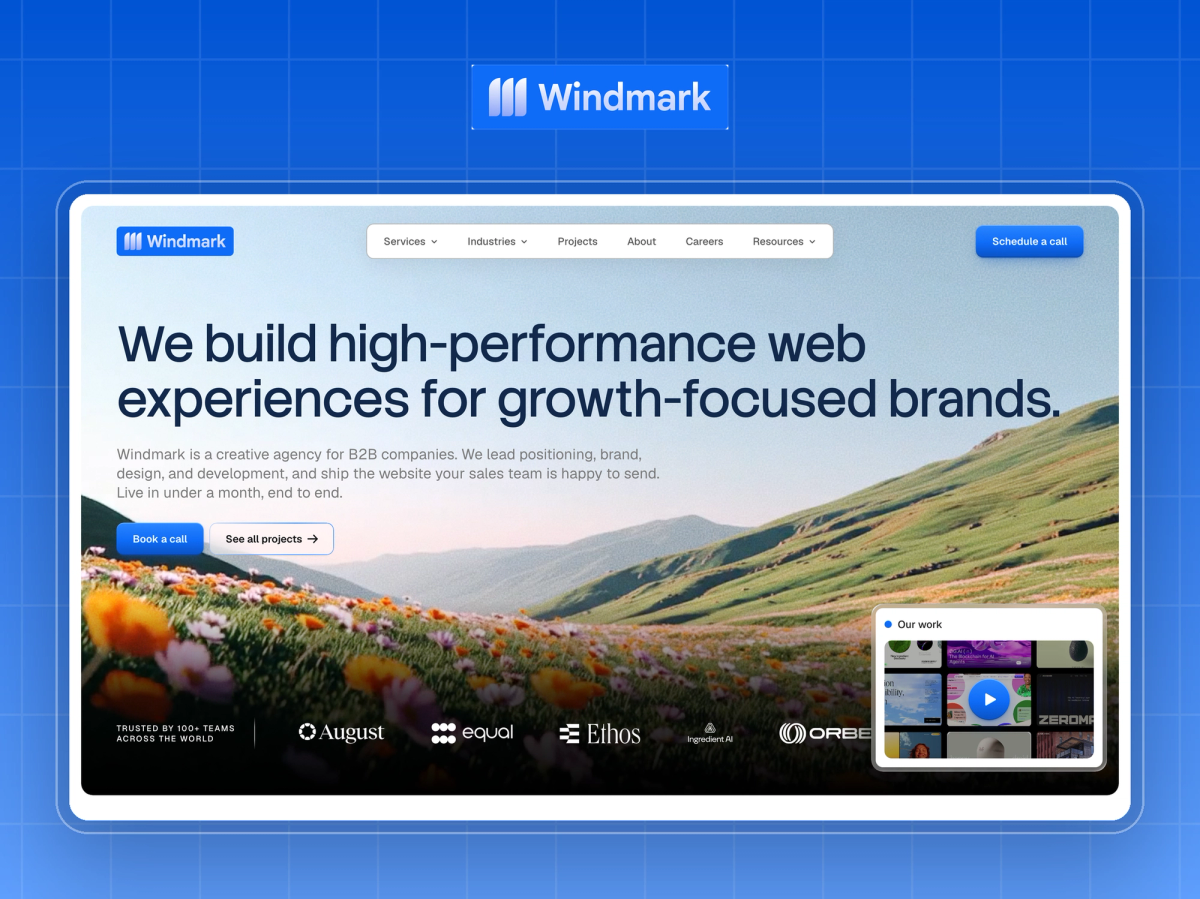
A design and Webflow development agency working with SaaS and technical product companies across AI, fintech, healthtech, robotics and clean-tech. Positioning, design and build run as one engagement.
- Best for: SaaS companies whose product is genuinely hard to explain, and whose site needs to ship fast and stay editable afterwards
- Strength: Named SaaS work including Lemon Squeezy, rebuilt from a dated site into a conversion-focused one in four weeks, and Wispr Flow, where the animation system was engineered so heavy motion never slowed page load. 120+ projects, Webflow Premium Partner, 90+ Lighthouse scores
- Limitation: Projects start at $5,000 and most rebuilds land between $15,000 and $60,000, so a seed-stage company needing a two-page site will overpay
The consistent theme is motion used to explain rather than decorate. When a product is abstract, a static screenshot cannot show how it works, and most performance problems in SaaS sites come from animation added without an engineering plan.
See the work at thewindmark.com/projects/ or the Webflow development service page.
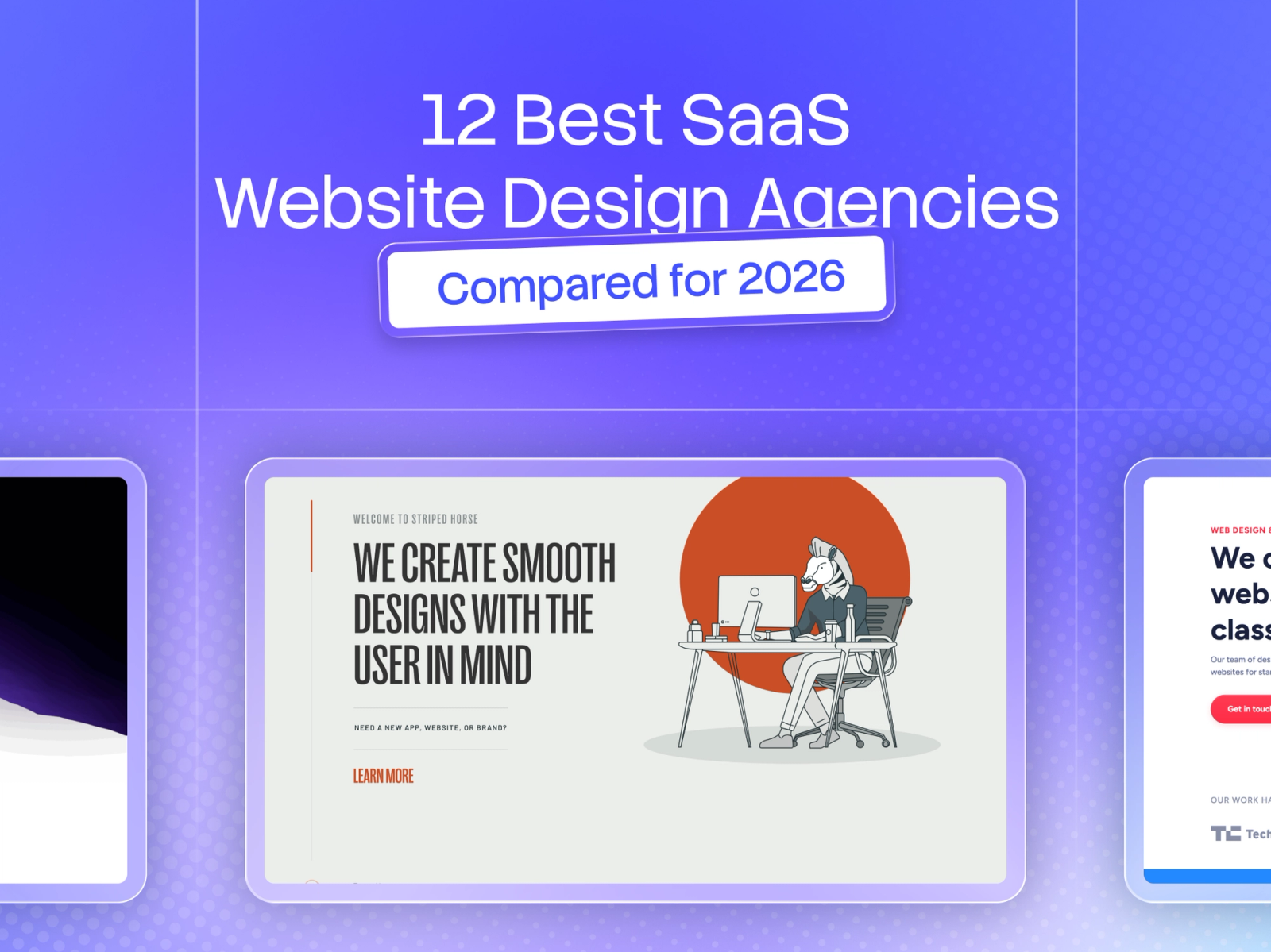
2. Striped Horse
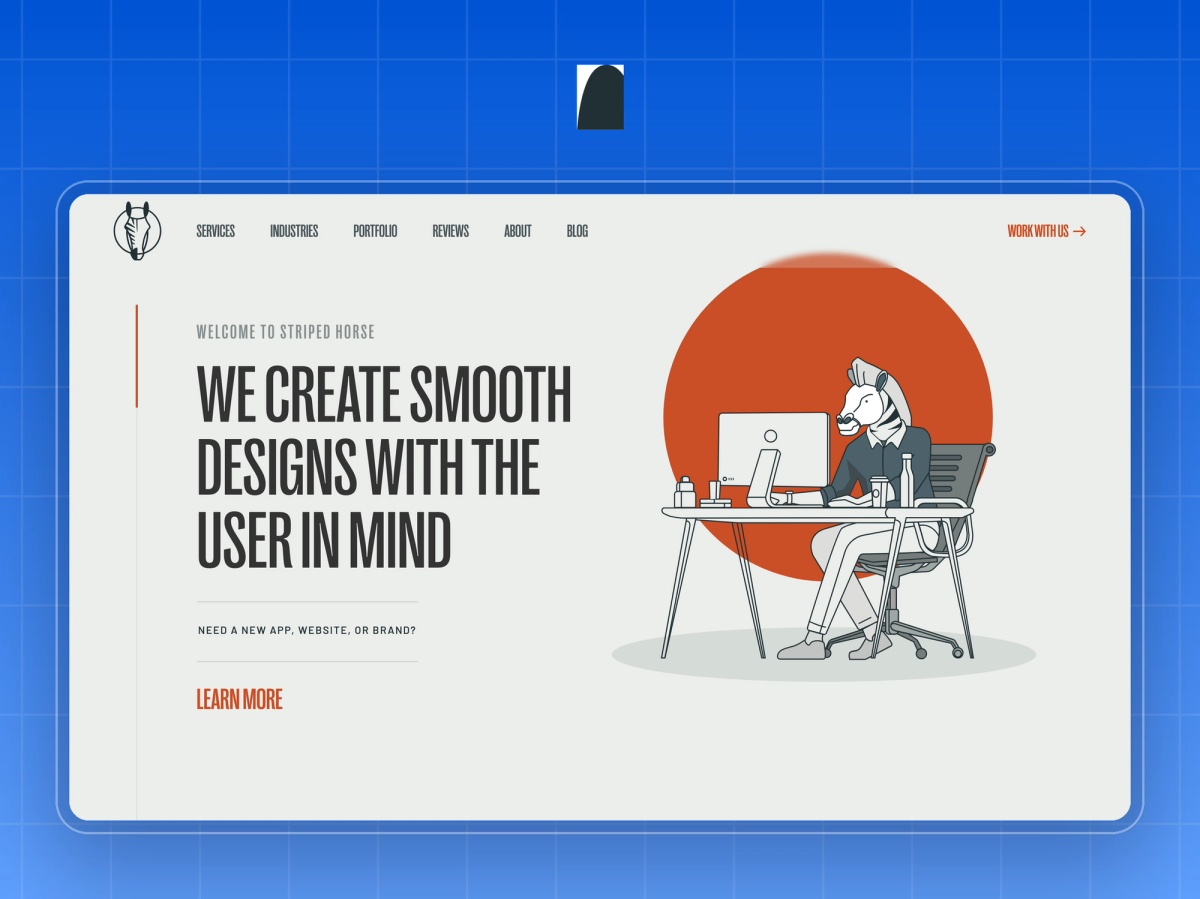
A SaaS-focused website design agency positioned tightly around conversion outcomes, and currently the strongest-ranking specialist for this term.
- Best for: SaaS companies where the brief is explicitly to lift conversion rather than to refresh the look
- Strength: Narrow SaaS focus with conversion framing throughout, so the engagement is scoped around a number rather than a launch date
- Limitation: Conversion-first framing means less emphasis on brand development for companies who need positioning work first
3. Huemor
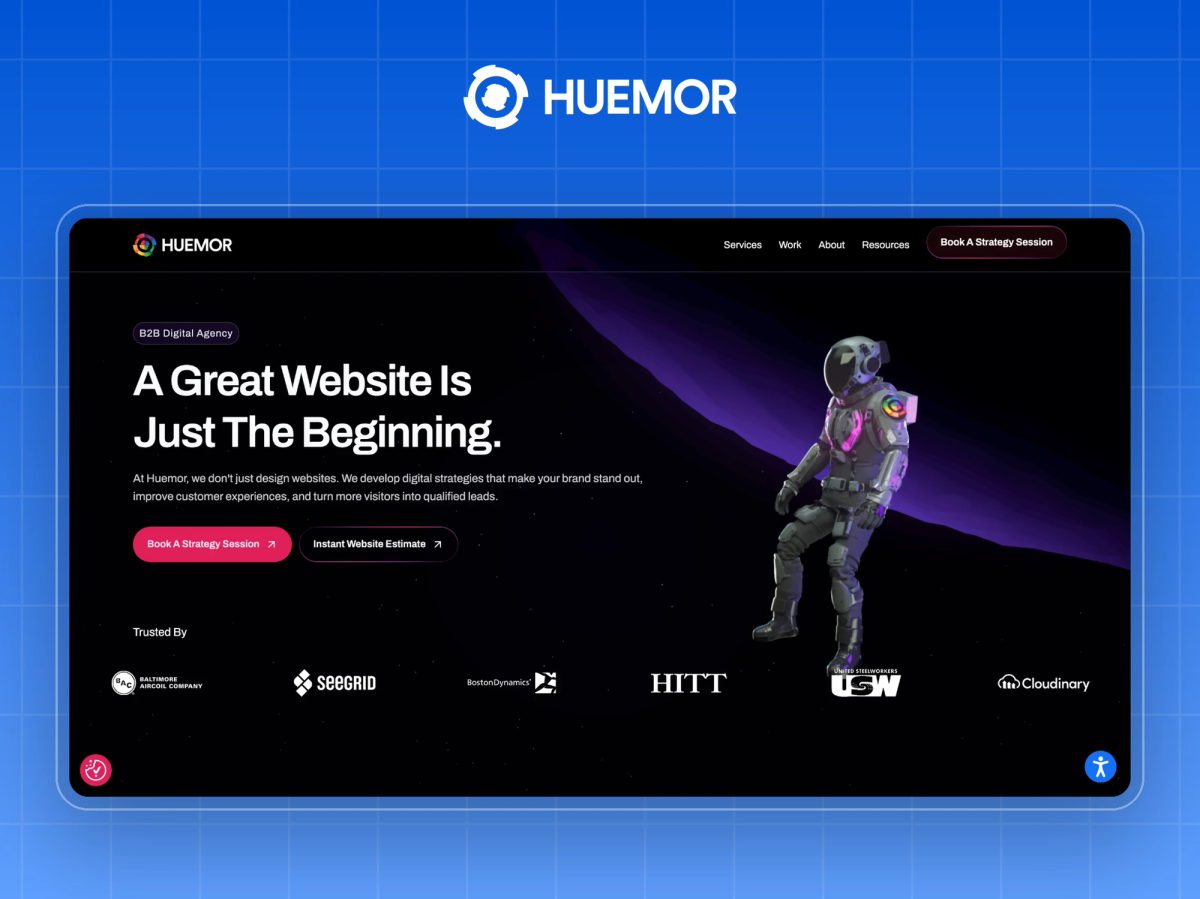
A web design agency known for distinctive, personality-forward sites, with a substantial SaaS and technology client base.
- Best for: SaaS brands in crowded categories who want to be remembered rather than approved of
- Strength: Genuine creative distinctiveness at a level most B2B agencies avoid, which matters when every competitor has adopted the same visual language
- Limitation: The bold house style is a strong fit or a poor one, with less middle ground than most agencies on this list
4. Brix Agency
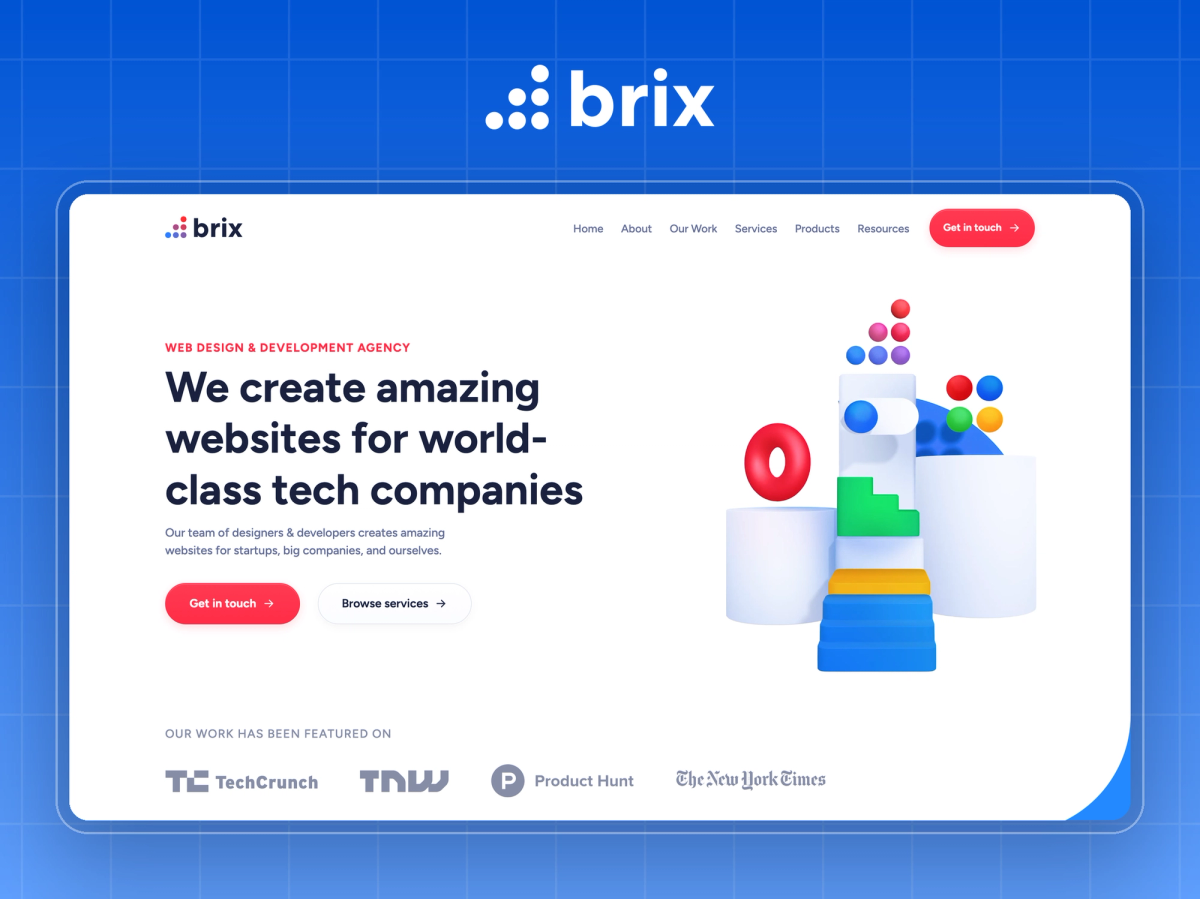
A Webflow-focused agency working almost exclusively with SaaS companies, with a systemised delivery model built for speed.
- Best for: SaaS teams who want a fast, well-structured Webflow build without a long discovery phase
- Strength: High-volume SaaS Webflow experience and a repeatable process, which keeps timelines predictable
- Limitation: Systemised delivery favours speed over deep bespoke strategy work
5. Orbit Media
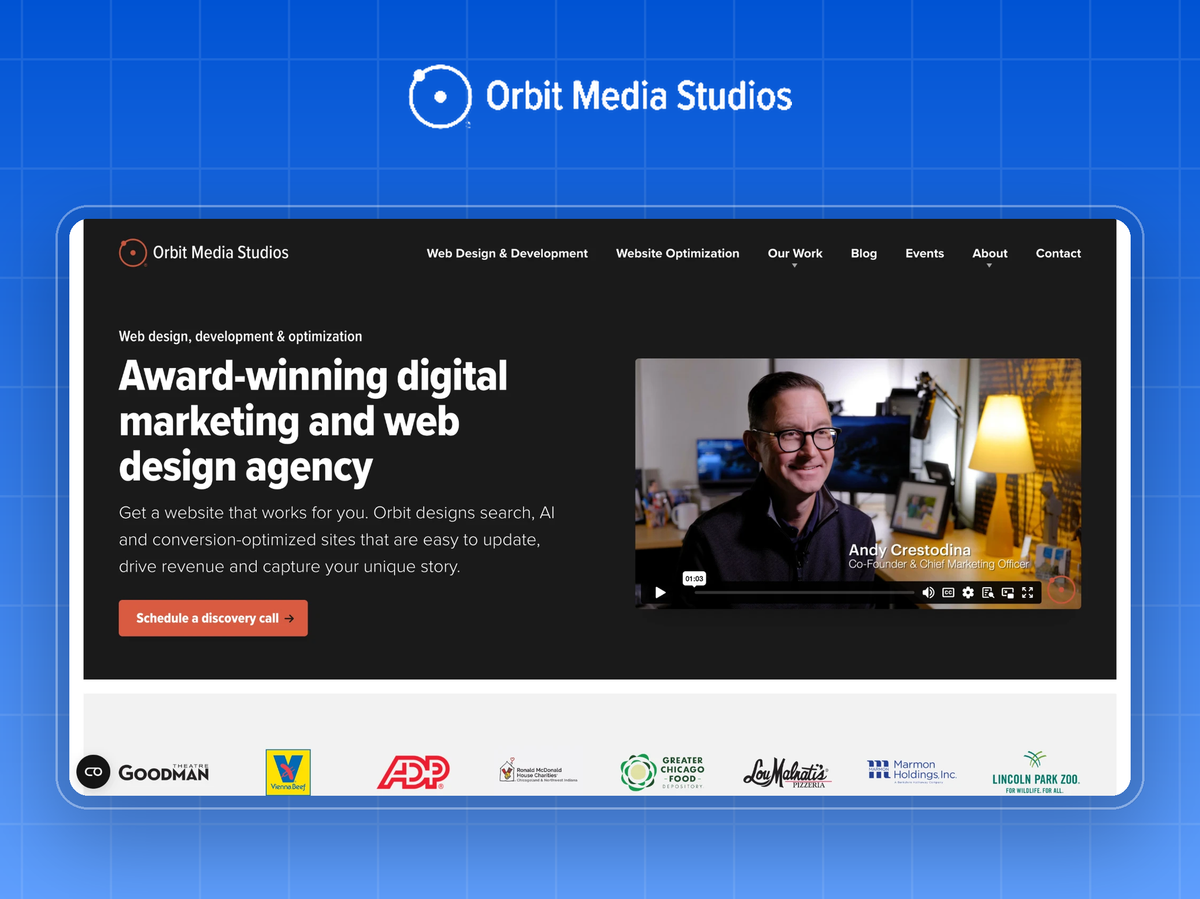
A long-established Chicago agency with a strong technology and SaaS practice, known for content architecture and analytics rigour.
- Best for: SaaS companies with large content libraries and serious organic traffic to protect
- Strength: Content structure and measurement discipline, which matters enormously when a rebuild risks a hard-won organic position
- Limitation: Generalist agency with a SaaS practice rather than a SaaS-only specialist
6. Phenomenon
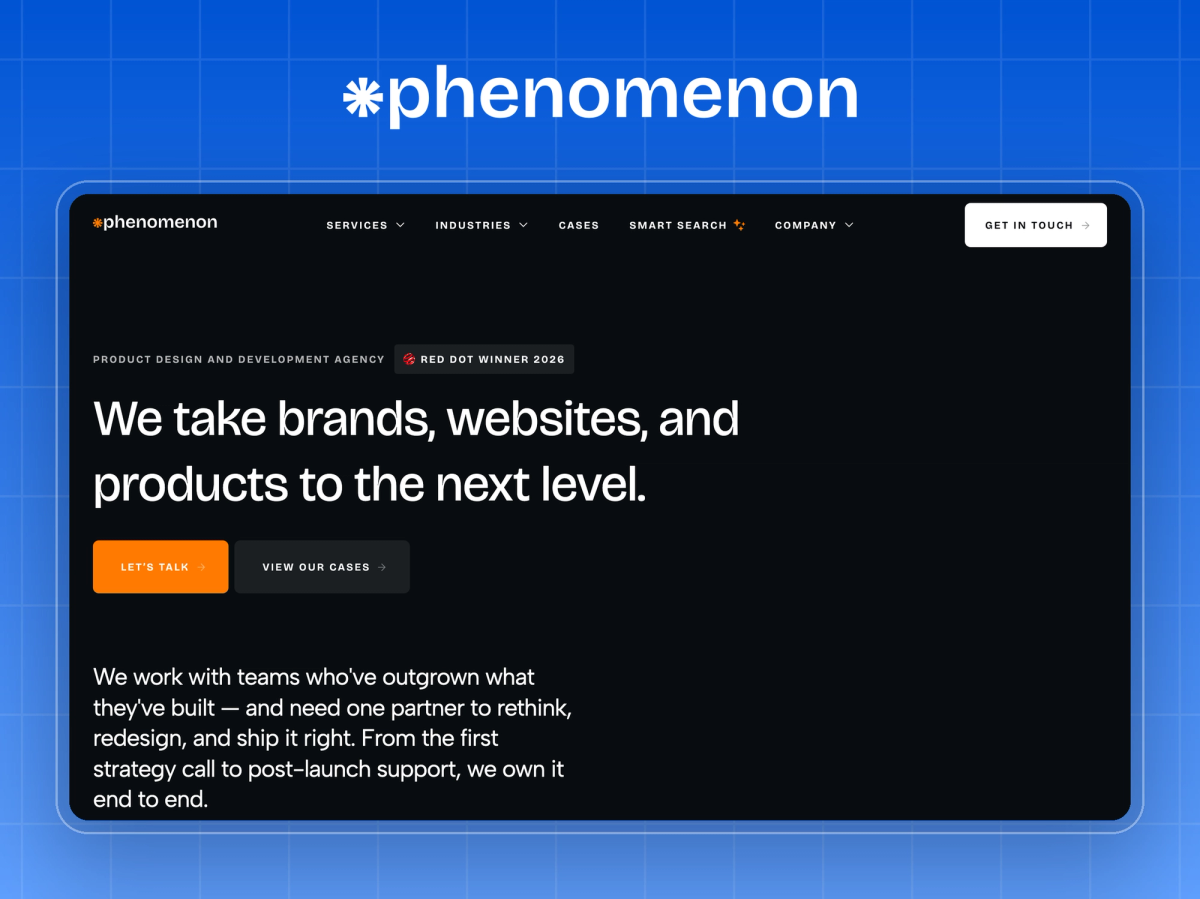
A design agency working across SaaS product UI and website, aimed at companies whose interface and marketing pages have diverged.
- Best for: SaaS companies where the product behind the login looks nothing like the site that sold it
- Strength: Product and web design in one team, which closes the credibility gap that appears when a prospect signs up and finds a different product than the site implied
- Limitation: Product design orientation means less depth in demand generation and SEO structure
7. Stan Vision
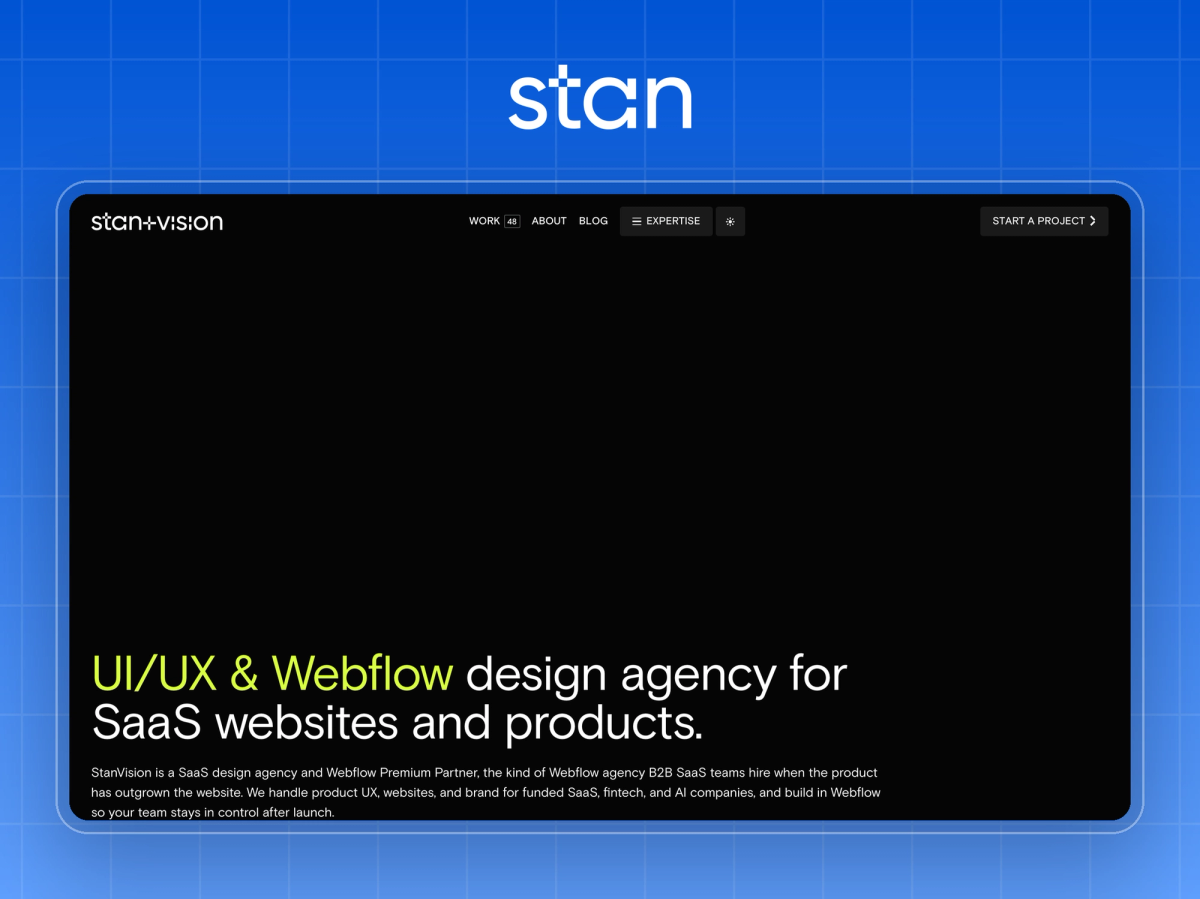
A Webflow agency positioned specifically around B2B SaaS, focused on design-led sites with strong visual craft.
- Best for: B2B SaaS companies who want a visually strong Webflow site and already have clear positioning
- Strength: Focused Webflow and B2B SaaS combination, so platform decisions and category conventions are already settled
- Limitation: Design-led scope assumes the messaging is solved, which for many companies it is not
8. Amply
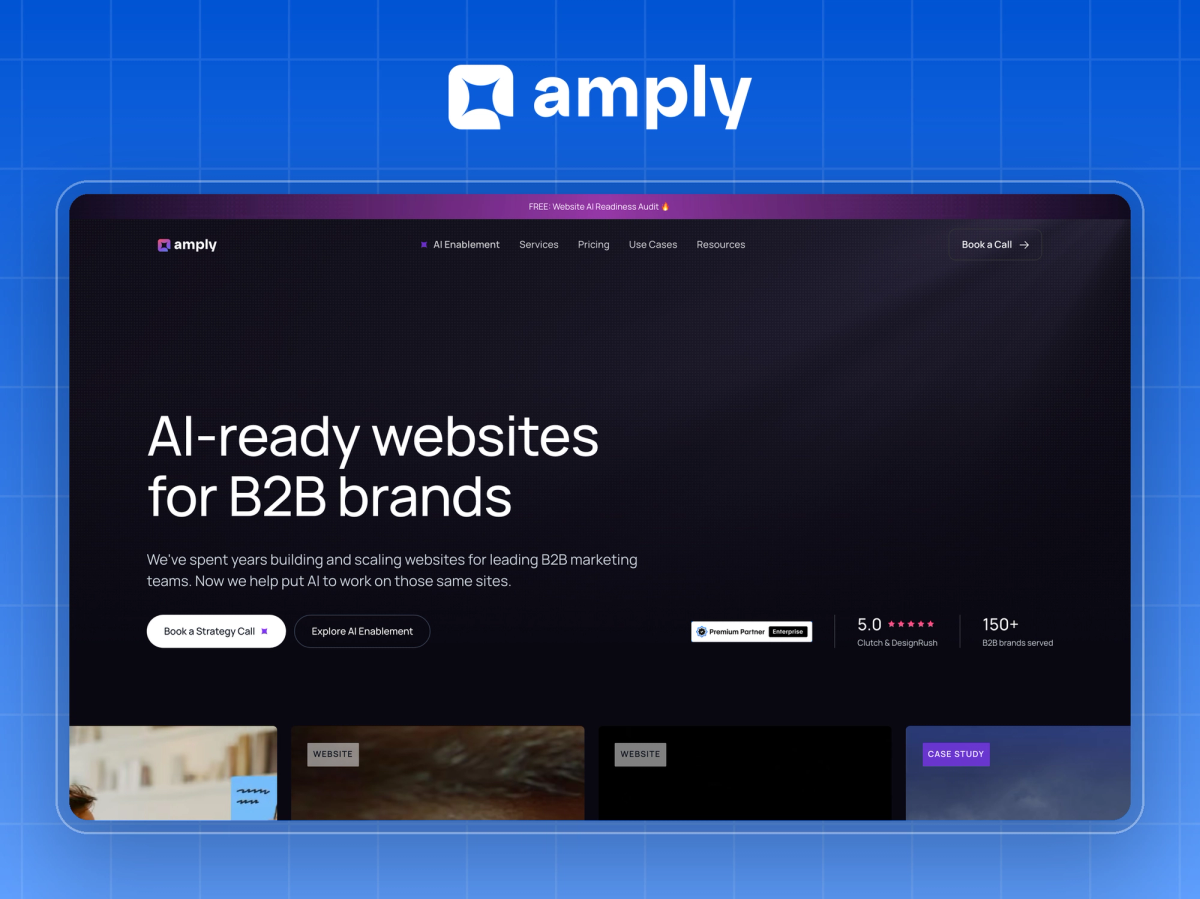
A B2B web design agency with strong enterprise SaaS positioning, oriented to sales-led motions and long evaluation cycles.
- Best for: SaaS companies selling into enterprise where procurement and security review shape the site as much as marketing does
- Strength: Understands the pages that enterprise buyers actually need, including security, compliance and integration depth that consumer-minded agencies skip
- Limitation: Enterprise weighting is heavier than a product-led company with self-serve signup requires
9. Ramotion
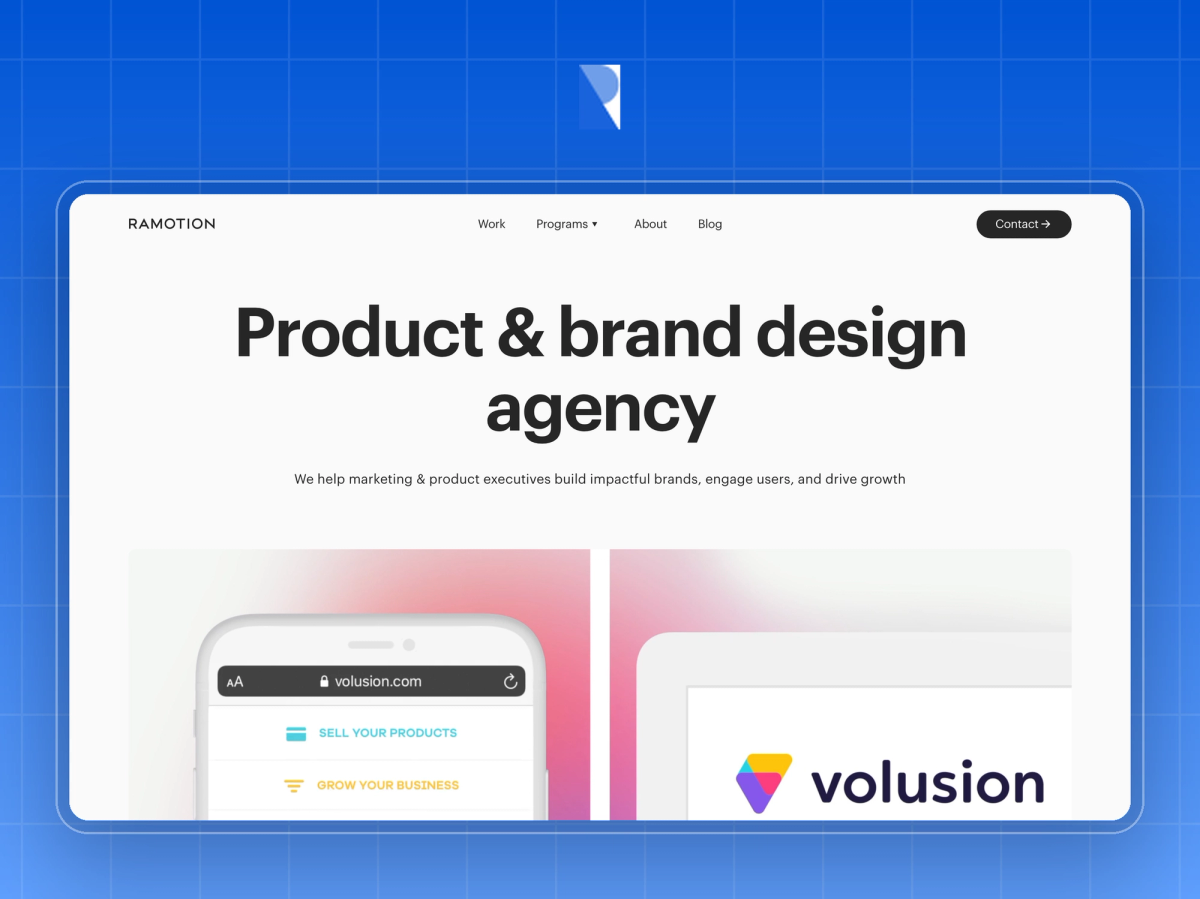
A design agency covering brand identity, product design and web, with a substantial technology and SaaS client base.
- Best for: SaaS companies needing brand, product and website addressed as one connected problem
- Strength: Breadth across identity, interface and web from a single team, useful when all three have drifted apart
- Limitation: Broad scope means engagements are larger and longer than a website-only project
10. Excited Agency
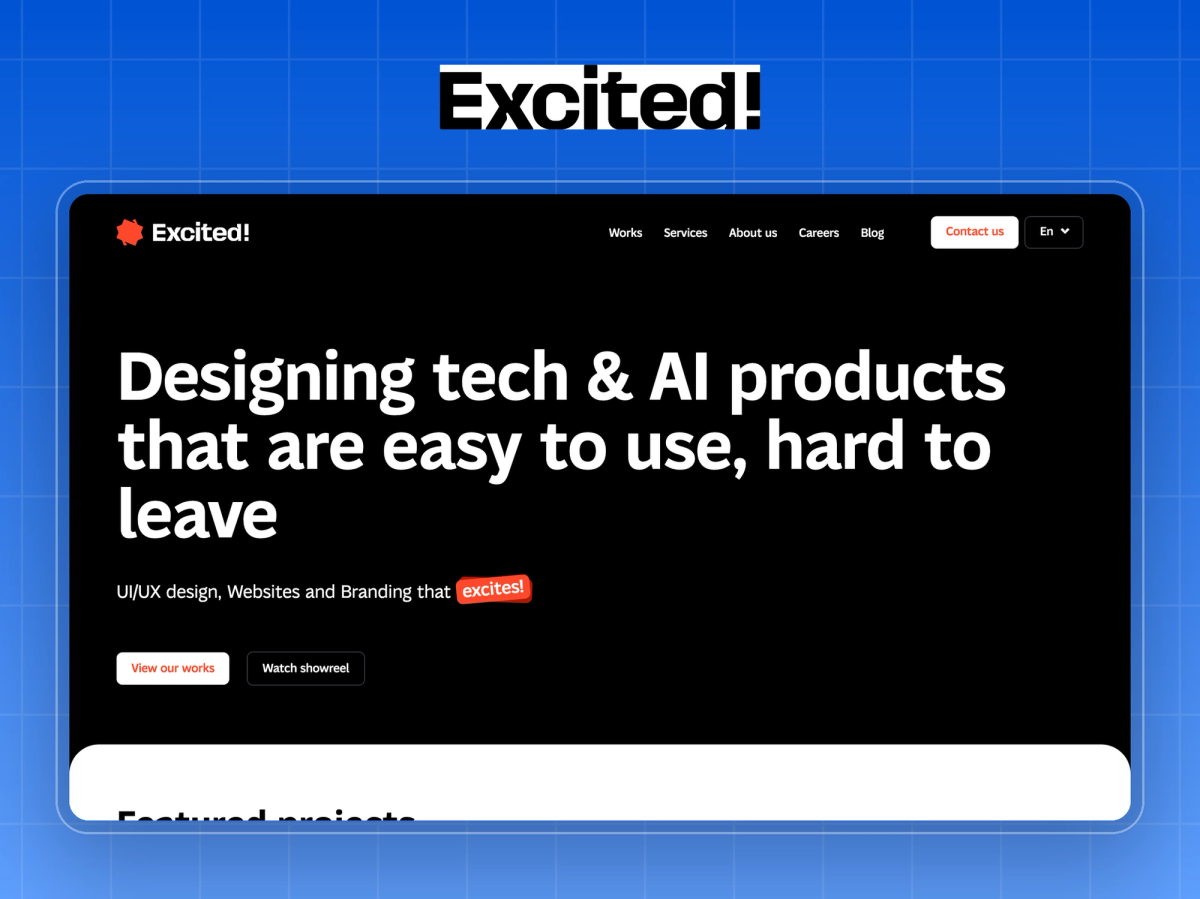
A design agency focused on high-impact websites, with SaaS among its core sectors and an emphasis on visual differentiation.
- Best for: SaaS companies whose category has converged visually and who need to break out of it
- Strength: Clear creative point of view applied to B2B, where distinctiveness is usually the underserved variable
- Limitation: Works best for companies with settled positioning to express rather than positioning to discover
11. Foundey
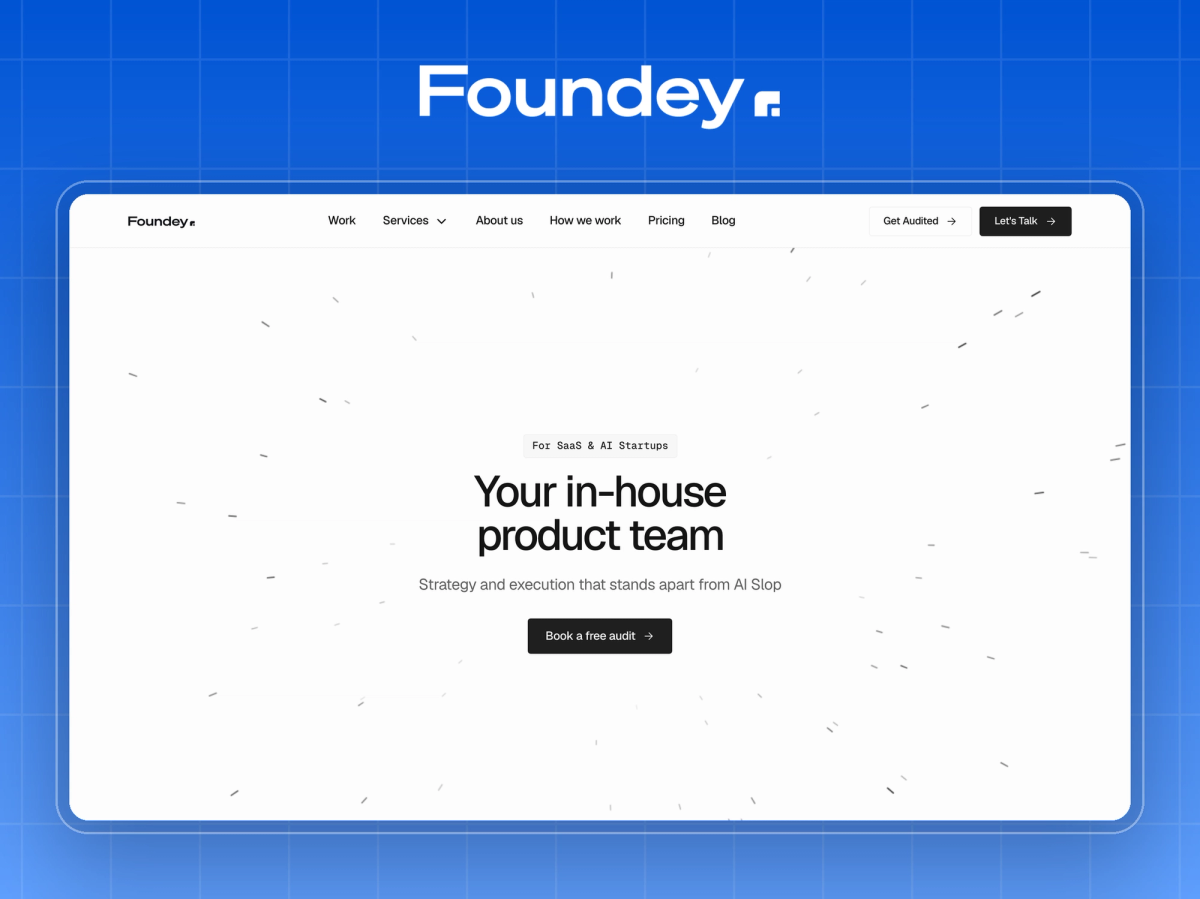
A Webflow-oriented SaaS web design agency positioned for earlier-stage companies and faster, tighter engagements.
- Best for: Early-stage SaaS companies needing a credible site quickly without a full rebuild budget
- Strength: Accessible entry point into specialist SaaS web design, with Webflow handover that a founding team can run
- Limitation: Smaller engagement scope means less research and strategy than a funded company should expect
12. Raze
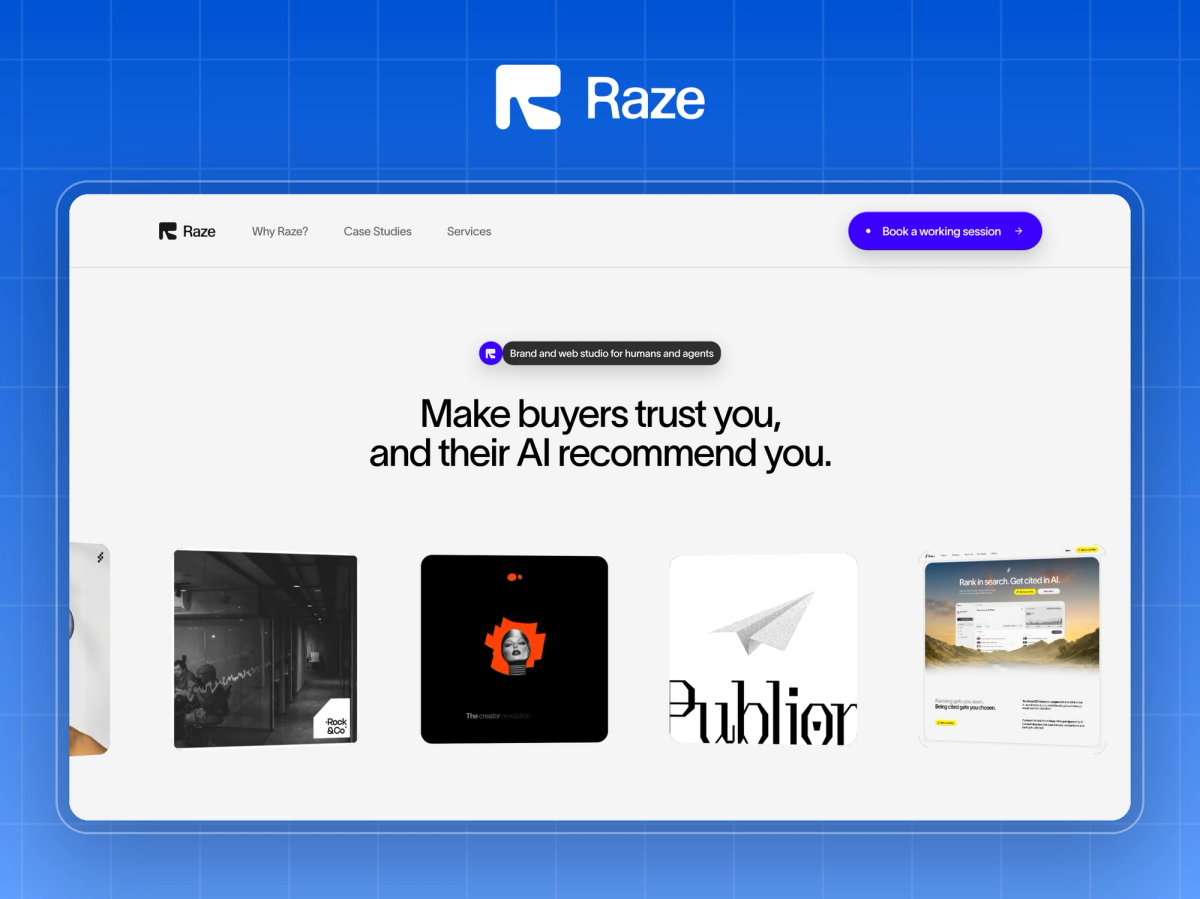
A SaaS web design agency framing the website as a growth channel, with design tied to acquisition performance.
- Best for: SaaS companies whose website sits inside a wider growth programme rather than standing alone
- Strength: Growth framing, which makes the site accountable to pipeline metrics rather than to subjective approval
- Limitation: Performance orientation means less weight on brand craft than a design-led agency delivers
What a SaaS Website Costs in 2026
| Engagement | Typical range | What it covers |
|---|---|---|
| Landing page sprint | $3,000 to $12,000 | One to three pages, existing brand, fast turnaround |
| Focused rebuild | $12,000 to $25,000 | Redesign and build on settled positioning, 8 to 15 pages |
| Full rebuild | $25,000 to $60,000 | Positioning, messaging, design, build, CMS, migration |
| Brand plus website | $60,000 to $120,000 | Identity, design system, full site, product UI alignment |
The line item that decides long-term value is the CMS, and it never appears as its own number. A site built with proper collections for blog, customers, integrations, comparison pages and changelog lets marketing publish daily. One built as static pages does not, and the difference shows up as a stale site within two quarters.
The second underestimated cost is migration. Moving an established SaaS site without losing organic traffic means redirect mapping, URL preservation and a technical audit. Agencies who skip it deliver a beautiful site and a traffic drop.
The 8-Second Test
Run this before you brief anyone. It costs nothing and it usually changes what you ask for.
Step 1: Find five people outside your company. Not investors, not advisors. People who have never heard your pitch.
Step 2: Show them your homepage for 8 seconds. Then take it away. A timer, literally.
Step 3: Ask three questions. What does this company do? Who is it for? What would you do next if you needed it?
Step 4: Score the answers.
- Four or five people name the product category correctly: your clarity is fine, and your problem is conversion, speed or content depth
- Two or three get it: you have a messaging problem. A redesign without new copy will change nothing
- Zero or one: you have a positioning problem, and design is the last thing to spend money on
Step 5: Brief accordingly. If you scored low, the agency you need is one that sells messaging inside the engagement rather than one that asks you to supply final copy.
At Windmark we run this on the current site before quoting, because a proposal written against the wrong problem produces a site that looks better and performs the same. It is also the fastest way to find out that a company needs three pages rewritten rather than a rebuild.
Webflow, Framer or Custom
Platform choice comes up early and gets decided badly more often than any other question.
Webflow is the default for SaaS in 2026 for one reason: marketing publishes without engineering. The CMS handles the volume SaaS sites generate, and the hosting removes an infrastructure conversation. Most agencies on this list lean here.
Framer suits smaller, design-forward sites and moves fast, but CMS depth is weaker at the scale a content-heavy SaaS site reaches.
Custom builds on Next.js or similar make sense when the site is genuinely coupled to the product, when you need authenticated experiences, or when scale demands it. The cost is the bottleneck you started with: every page change goes back through engineering.
Decide from publishing volume, not from preference. If you expect to publish more than four pages a month, a CMS-first platform wins every time.
Our guide to building a B2B website on Webflow that converts covers the architecture side, and SaaS landing page design covers the page-level decisions.
Five Questions to Ask on the First Call
- "Which motion have you shipped for most, product-led or sales-led?" The answer predicts whether they build your pricing page or your security page well
- "Show me the CMS on a SaaS site you built." Live, on the call. Collections for blog, customers, integrations and comparisons should already exist
- "How do you handle migration and redirects?" A vague answer here is how established SaaS companies lose a third of their organic traffic
- "What is your Lighthouse score on a site with this much motion?" Animation-heavy SaaS sites routinely ship at 40 on mobile. Ask before, not after
- "Is copy in scope, or do we supply it?" The single most common cause of a stalled SaaS website project is copy that never arrives
Most SaaS teams commissioning a rebuild already sense the site is underperforming. The useful first move is the 8-second test above, because it separates a positioning problem from a messaging problem from a genuine design problem, and those are three different engagements.
If you want a second opinion on which one you have, book a call and we will run through your homepage and pricing page, including the times the answer is that you need copy rather than a rebuild.