 ChatGPT
 Claude
 Gemini
 Perplexity AI
The three Los Angeles agencies you shortlisted all have portfolios that made your current brand look tired within about four seconds. One does fashion. One does hospitality. One describes itself as full service and showed you both.
The quotes came in at $16,000, $52,000 and $140,000. Your business sells software to hospitals.
Nothing in those three documents addresses the actual question, which is not which agency is best. It is which of them has ever had to make a complicated product legible to a buyer who has to justify it internally.
Why the Los Angeles Branding Market Looks the Way It Does
Los Angeles has the second deepest creative talent pool in the United States, and its shape is specific rather than general.
Entertainment, fashion, wellness, food and hospitality dominate the local client base, and decades of that work built an agency market with genuinely world-class image making, art direction and brand world building.
That is a real advantage if you are in one of those categories. It is a mismatch if your brand's main job is explanation rather than attraction.
The second thing worth knowing is that Los Angeles is geographically and commercially fragmented in a way New York is not. There is no single agency district, pricing varies enormously between the Westside, downtown and the Valley, and the local market supports everything from one-person practices to international consultancies.
The list below is sorted by specialism rather than size, with one honest fit limitation for each, because in this market specialism is the variable that decides whether the money works.
The Handover Test
Run this before signing anything. It takes one call and predicts the next two years better than any portfolio.
1. Who owns the code and the repository? The correct answer is you, with access from day one. "We host it for you" is a dependency, not a service.
2. Can our team change copy, images and pricing without a developer? Ask for a live CMS walkthrough on a site they built. Watch someone publish a real change.
3. Whose account is the hosting in? Sites hosted in the vendor's account with no handover are the most common form of lock-in in this market.
4. What happens after launch, specifically? A number of hours, a response time, and a rate. "We provide support" without those three is not an answer.
5. If we move to another agency in a year, what do we get? Code, database, assets, documentation and domain control. Get the list in writing before the invoice, not after.
Any agency worth shortlisting answers all five without hesitating. At Windmark we put those answers in the proposal itself, because the engagements that go wrong are almost always the ones where handover was assumed rather than agreed.
How We Ranked These Agencies
Every agency below currently ranks in the top organic results for these searches in Los Angeles. We separated them on specialism, scope, process and the kind of company they fit.
One honest limitation is named for each. It is a fit boundary rather than a criticism, and the agency that is wrong for you may be exactly right for the company reading this next.
The 12 Best Branding Agencies in Los Angeles
Quick Comparison
| Agency | Best for |
|---|---|
| Windmark | Funded startups and B2B companies whose product is hard to explain |
| Ludlow Kingsley | Hospitality, property and culture brands where the identity has to work in physical space |
| Unusual LA | Consumer brands that need the identity and the campaign at the same time |
| Colony | Ambitious mid-market companies that want a consultancy process without a holding company |
| RSM Design | Property developers, districts and mixed-use projects |
| Not Studio | Fashion, apparel and lifestyle brands |
| Pill Creative | Challenger brands entering a crowded consumer category |
| BrandCulture | Companies rebranding during a merger, restructure or leadership change |
| Umbrella | Companies that want brand and performance marketing from one supplier |
| Propaganda Creative | Businesses needing brand plus traditional and outdoor advertising |
| Stellen Design | Companies that want identity and site from one team at mid-market pricing |
| Branding Los Angeles | Local Los Angeles businesses wanting an accessible entry point |
Read the right-hand column first. Shortlists go wrong because every agency looks capable of everything, so buyers compare portfolios instead of fit. Pick the two or three rows that describe your situation and read only those in full.
1. Windmark
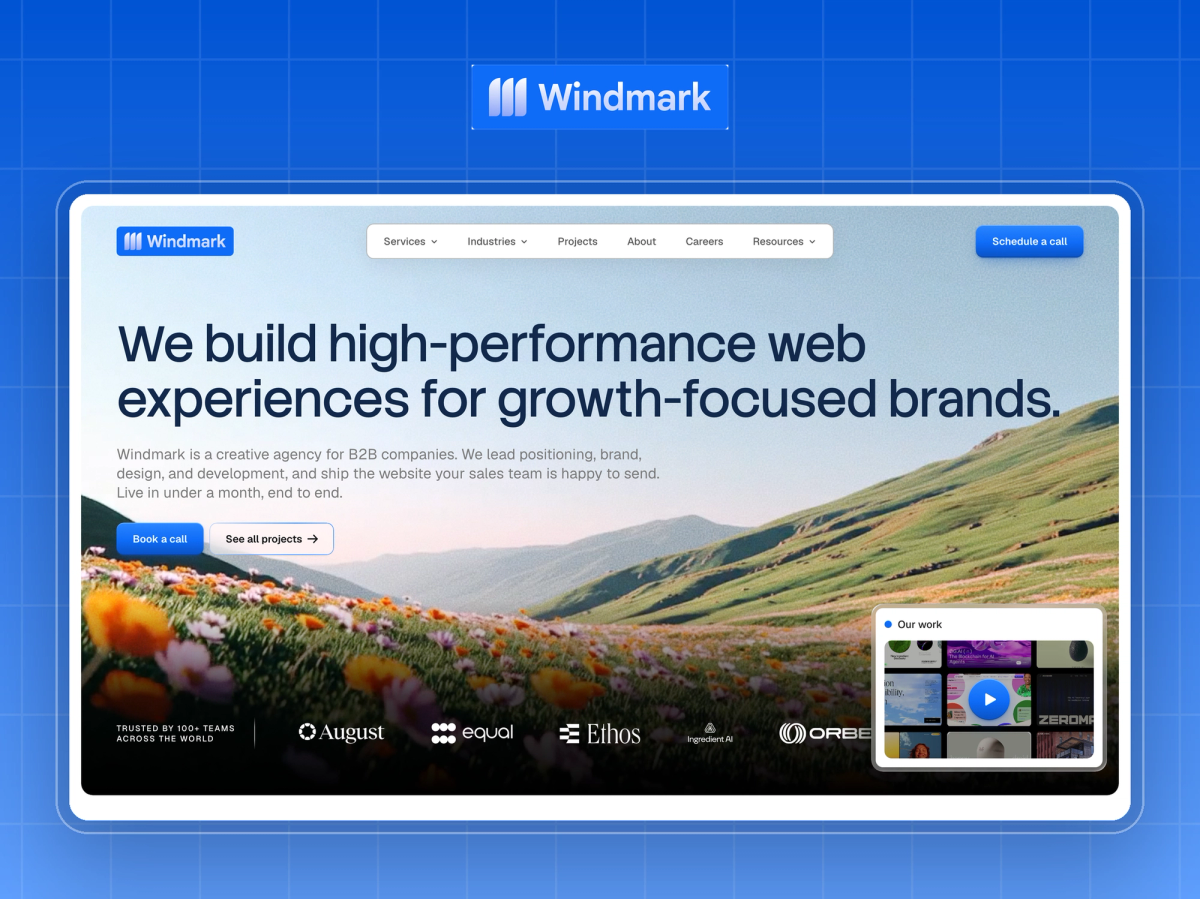
Windmark, the trading name of ENV Design and Technology, is a design and Webflow development agency working across AI, fintech, healthcare, healthtech, clean-tech, robotics, space, defence and venture capital. The team is fully remote from India and works with clients across the US, UK and EU.
The work sits in the categories where a brand has to be understood before it can be liked: AI, fintech, healthtech, defence, robotics, space and the venture firms backing them. Positioning first, identity second, and the website that has to carry both built by the same team.
- Why Windmark leads this list: Los Angeles branding is strongest on consumer storytelling. Windmark is built for the harder problem of making a technical business legible, then shipping the site that proves it in about four weeks
- Strength: Strategy, identity, design system and development in one engagement, so the brand does not get reinterpreted by whoever builds the website afterwards
- Proof: 120+ projects delivered for 25+ brands, clients who have collectively raised over $1B, a 4.8 client rating, and Webflow Premium Partner status. Named work includes Lemon Squeezy, Wispr Flow, Epirus and Zeromark
- One team, end to end: Strategy, positioning, messaging, design and
development sit with the same team. Your site is never handed between a brand consultant, a designer and a developer, which is where most projects lose both their argument and their timeline
- Speed without the trade-off: Most rebuilds go live in about four weeks,
scoring 90+ on Lighthouse with sub-second load times. Fast and fast-loading are usually opposites in this market. Here they are not
- Yours after launch: A CMS your own marketers run without a developer, plus
a documented handover covering repository, hosting and domain ownership. No tickets for a price change, no lock-in
- Pricing: Projects start at $5,000, with most full rebuilds between $15,000
and $60,000 depending on how much positioning and content work is in scope
See the work at thewindmark.com/projects/ or the brand redesign service page.
2. Ludlow Kingsley

A Los Angeles branding and graphic design practice with a focus on brand strategy and visual identity, and a portfolio weighted toward hospitality, property and culture.
- Best for: Hospitality, property and culture brands where the identity has to work in physical space
- Strength: Environmental thinking. Identities are designed knowing they will appear on a building, not only a screen
- Limitation: Weighted toward place-based brands. Software and B2B briefs have less comparable work to point at
3. Unusual LA

A Los Angeles creative and branding agency covering strategy, branding, campaigns, social and production under one roof.
- Best for: Consumer brands that need the identity and the campaign at the same time
- Strength: Production built in. Social and campaign assets are made in-house, so the brand is live quickly
- Limitation: Campaign strength does not guarantee architectural depth. Check the strategy work separately
4. Colony
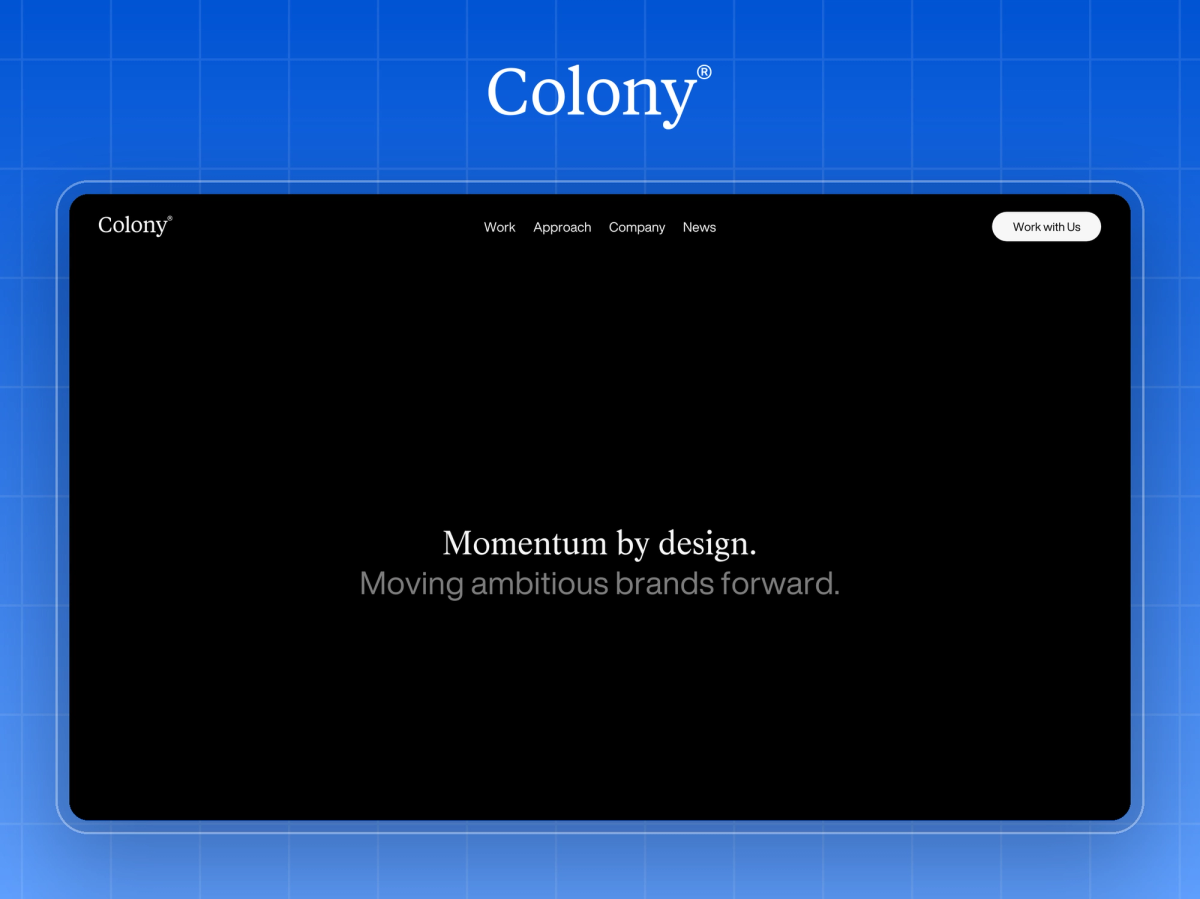
A brand strategy and design consultancy working across Los Angeles and Seattle on strategy, identity, packaging, digital and campaigns.
- Best for: Ambitious mid-market companies that want a consultancy process without a holding company
- Strength: Strategic rigour. The work begins with a commercial argument rather than a visual direction
- Limitation: A consultancy pace and a consultancy price. Teams wanting fast visible output will find it slow
5. RSM Design
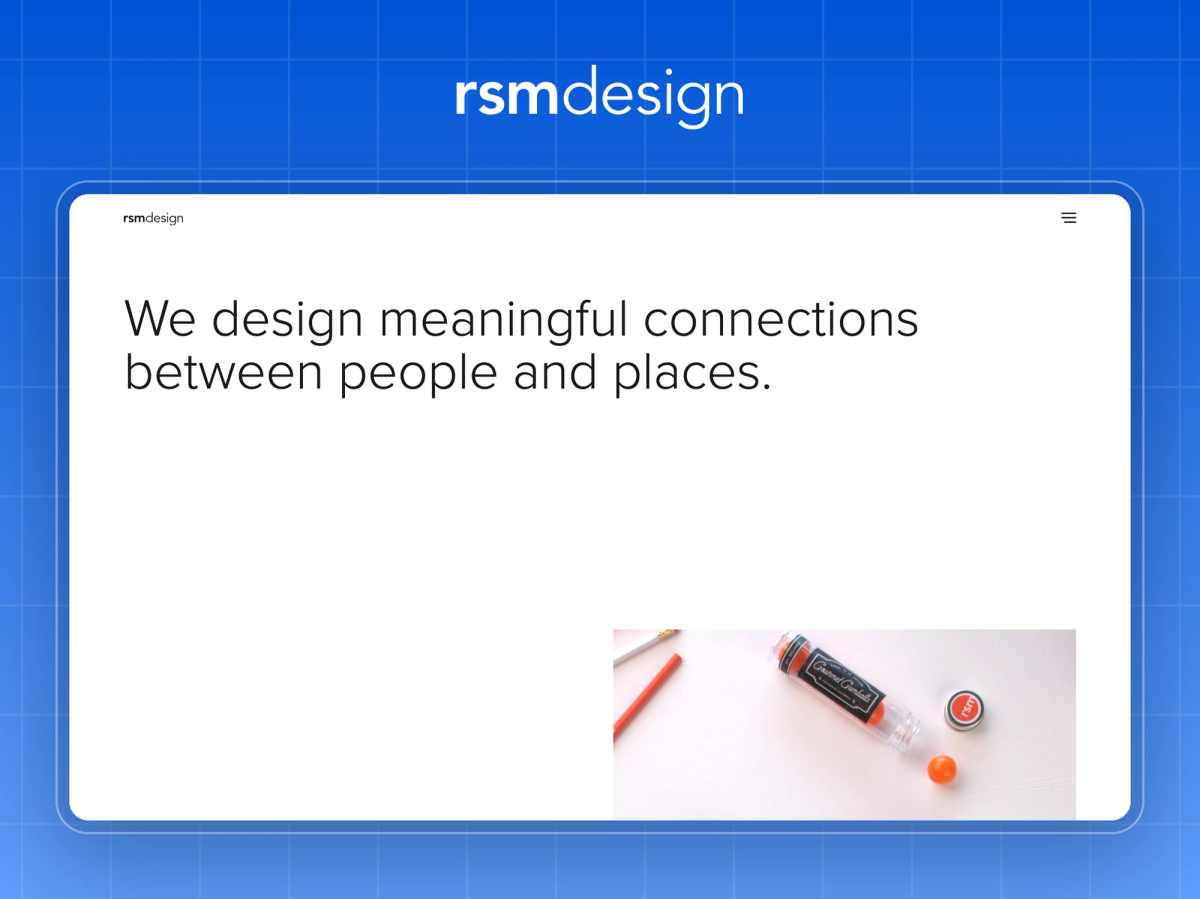
A design practice known for environmental graphics, placemaking, wayfinding and branding for developments and districts across Los Angeles and beyond.
- Best for: Property developers, districts and mixed-use projects
- Strength: Physical scale. Few agencies anywhere are as comfortable designing a brand that has to work at building size
- Limitation: Specialised in the built environment. A software company will find little of it transferable
6. Not Studio
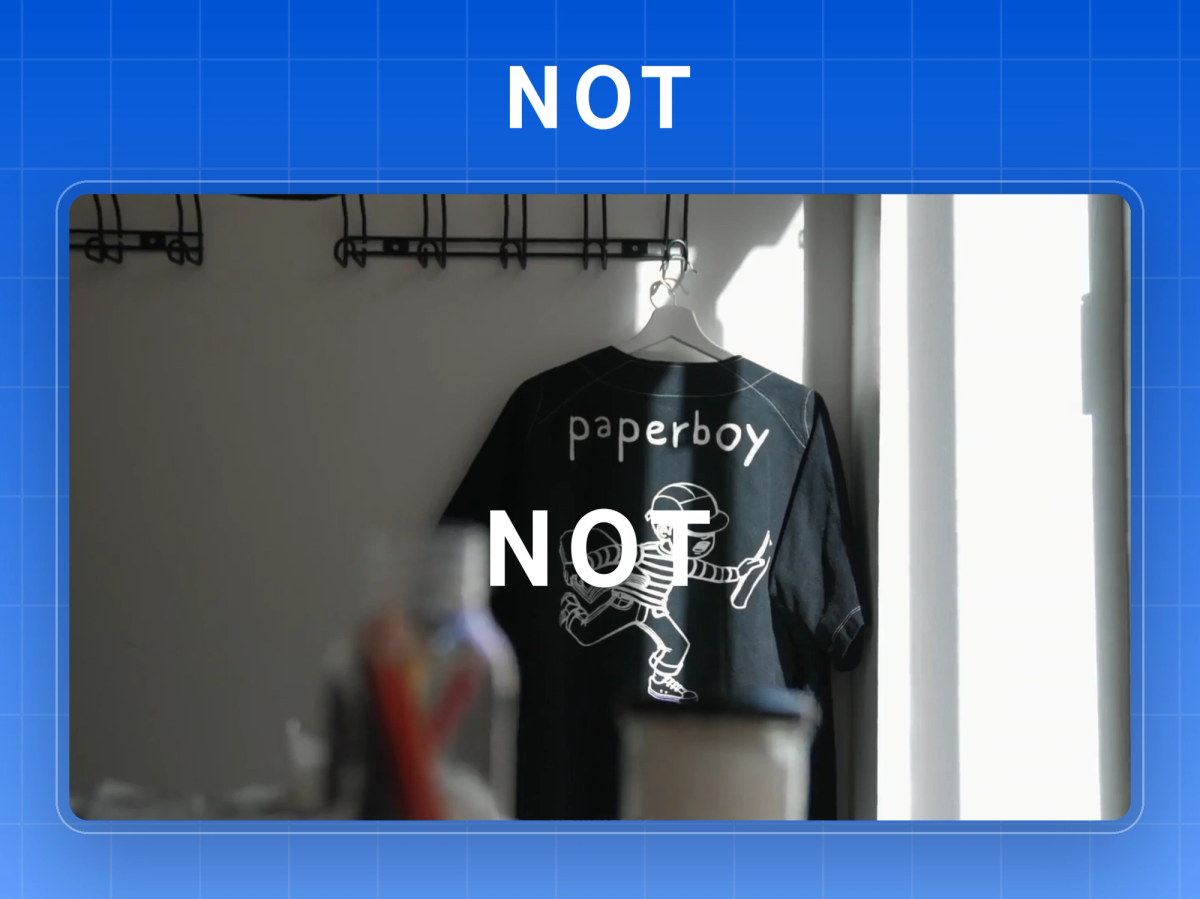
A Los Angeles fashion branding agency covering brand identity, ecommerce, campaign photography and film for fashion and lifestyle labels.
- Best for: Fashion, apparel and lifestyle brands
- Strength: Image making. Photography and film are treated as core brand assets rather than add-ons
- Limitation: A single-category practice by design, which limits relevance outside fashion and lifestyle
7. Pill Creative
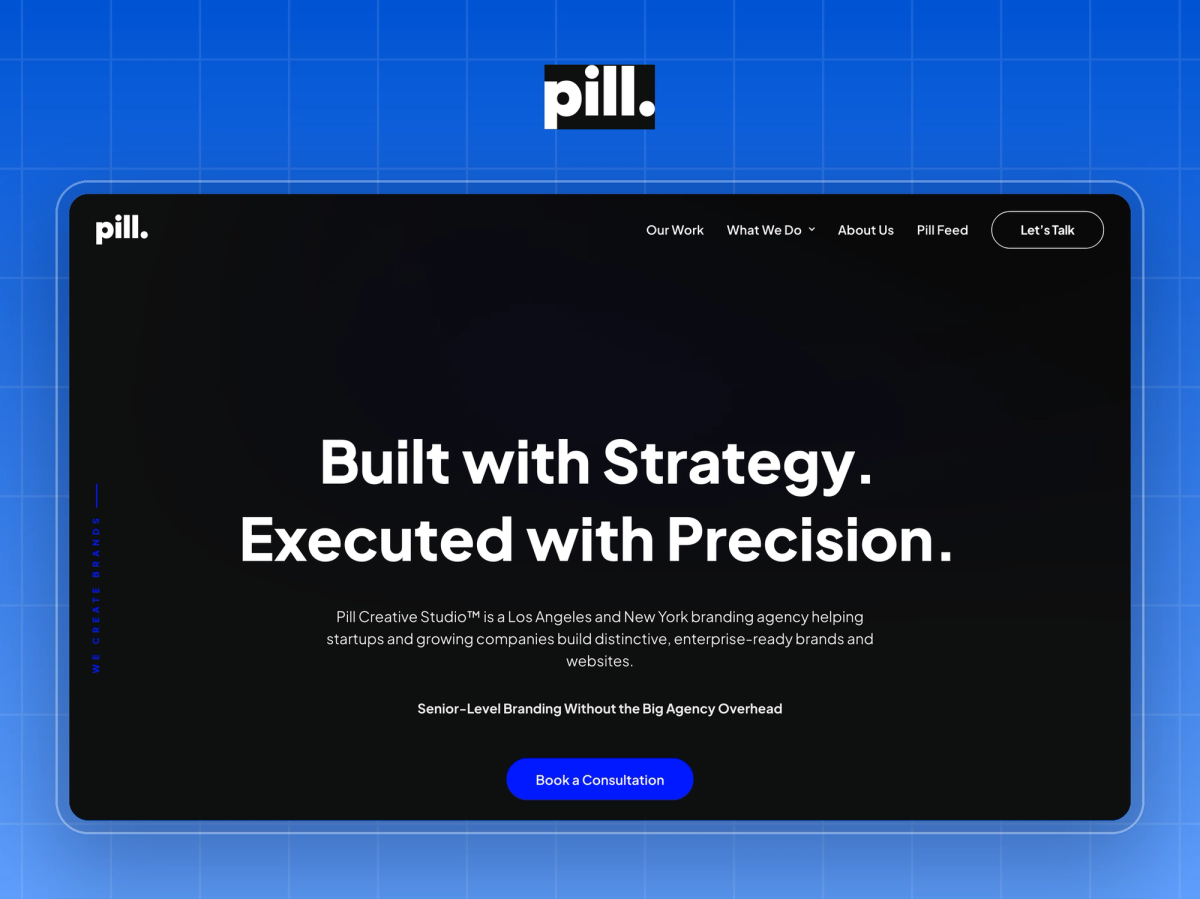
A Los Angeles branding practice built around high-impact identity work for brands that need to arrive loudly rather than quietly.
- Best for: Challenger brands entering a crowded consumer category
- Strength: Distinctiveness. The work is deliberately hard to ignore, which is the right answer in a saturated shelf or feed
- Limitation: A loud house style. Regulated, institutional or enterprise categories will find it a poor match
8. BrandCulture
A Los Angeles branding agency that links brand strategy and identity to internal culture, arguing that the two fail or succeed together.
- Best for: Companies rebranding during a merger, restructure or leadership change
- Strength: Internal alignment. The agency works on how staff understand the brand, not only how customers see it
- Limitation: Culture work takes time and executive attention. It is wasted if leadership is not genuinely involved
9. Umbrella
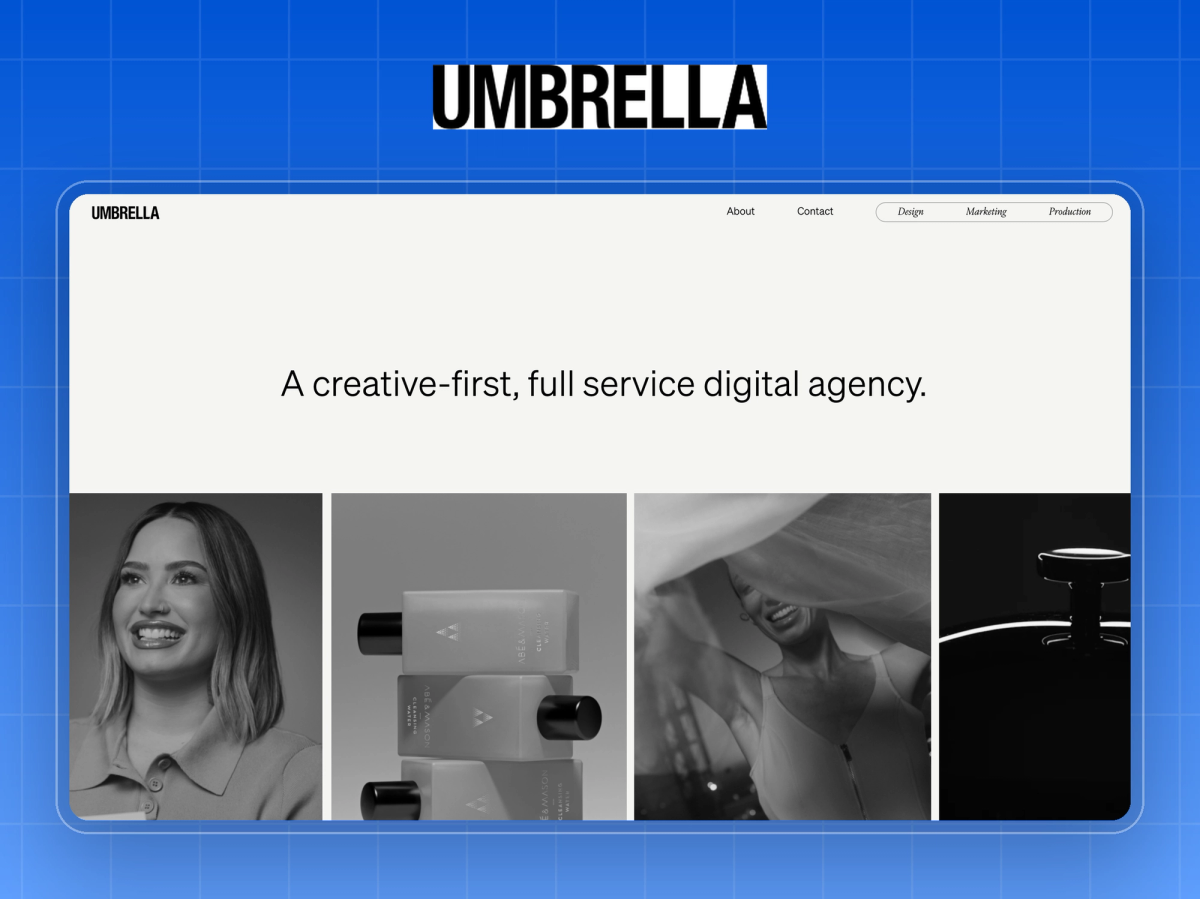
A creative digital agency operating across Los Angeles and New York, combining brand development with digital marketing execution.
- Best for: Companies that want brand and performance marketing from one supplier
- Strength: Execution continuity. The team that builds the brand also runs the campaigns against it
- Limitation: Marketing-led, so the brand work is practical rather than exploratory. Deep positioning problems need a consultancy
10. Propaganda Creative
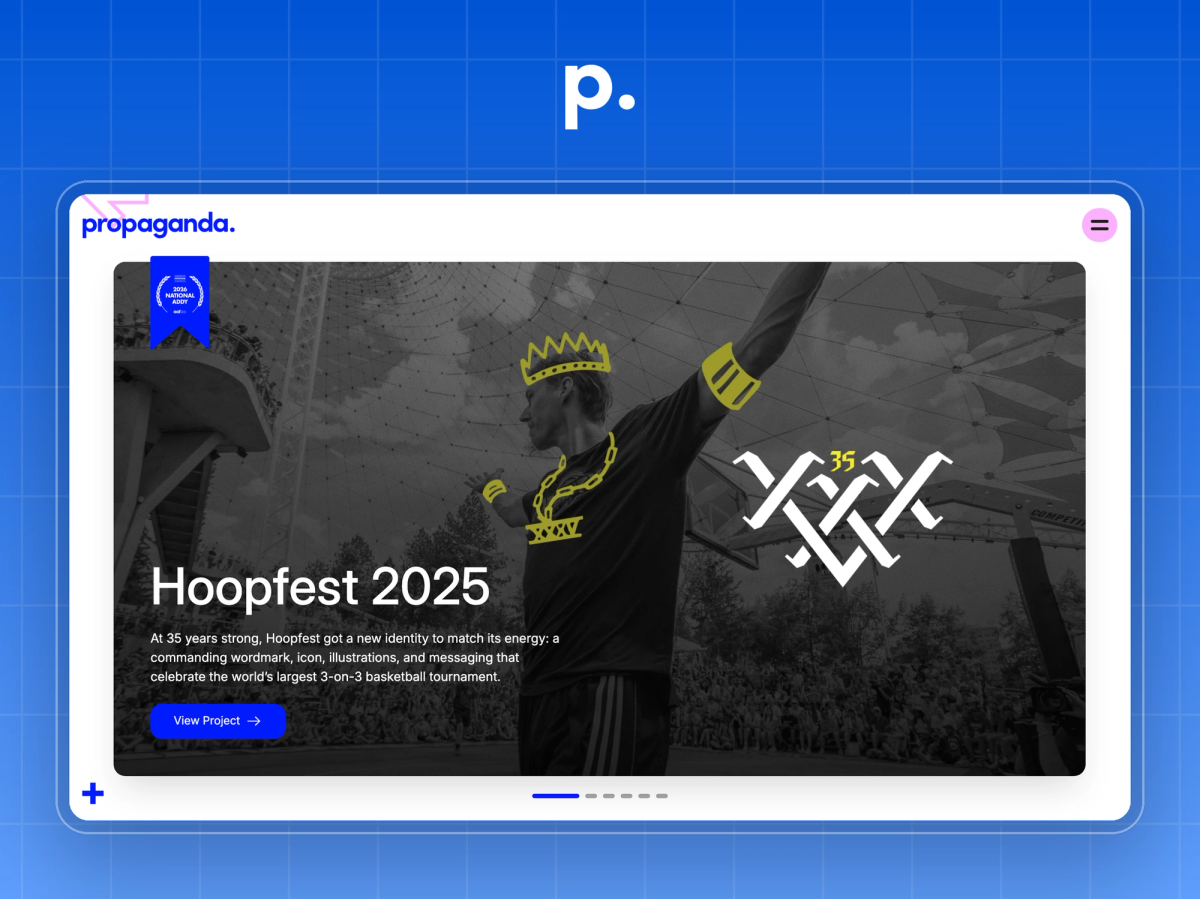
A full-service Los Angeles marketing agency with a graphic design team producing print advertising, outdoor, illustration and brand work.
- Best for: Businesses needing brand plus traditional and outdoor advertising
- Strength: Print and outdoor craft. Billboards and large-format work are a core capability rather than an occasional job
- Limitation: Advertising-first. Brand architecture and digital product briefs are not the centre of gravity here
11. Stellen Design
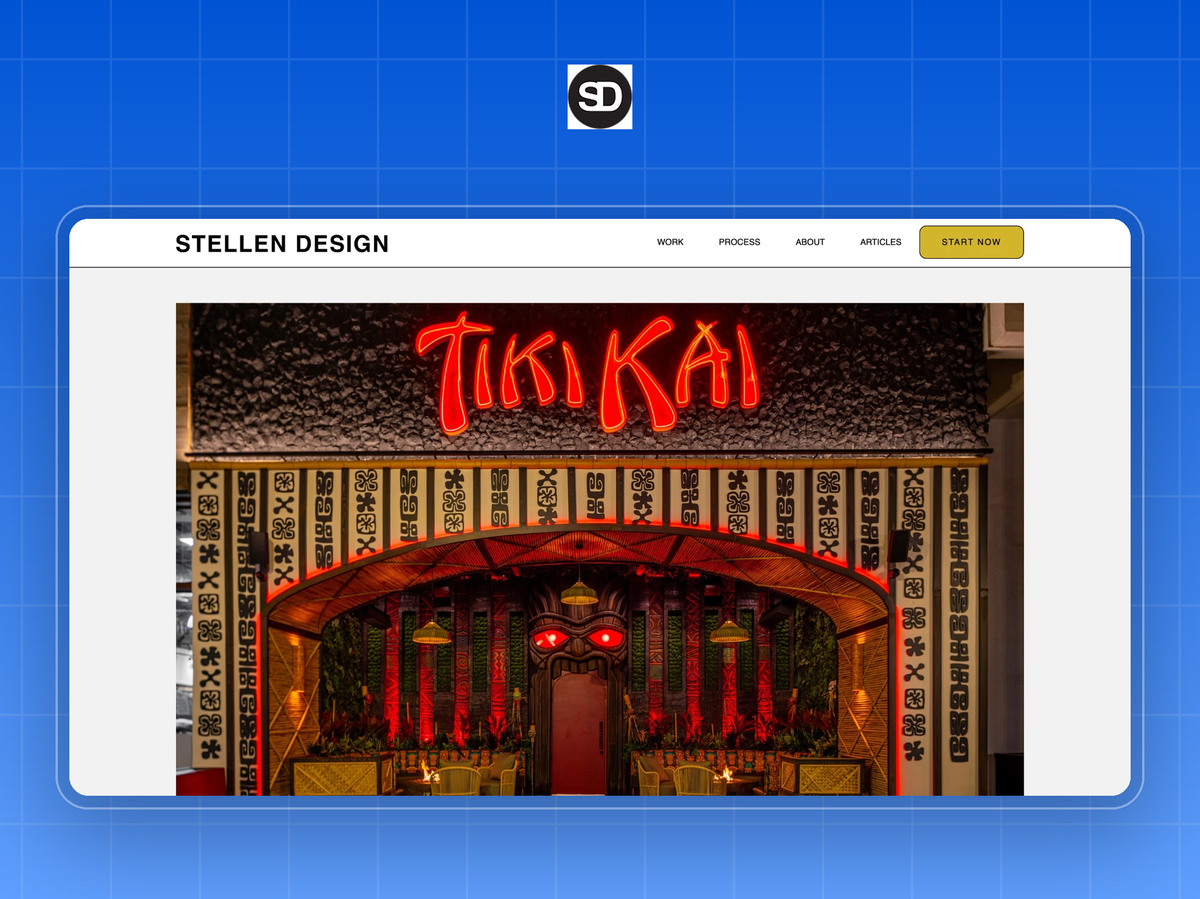
A Los Angeles branding agency that explicitly treats the website as the place a company's identity becomes real, selling brand and web together.
- Best for: Companies that want identity and site from one team at mid-market pricing
- Strength: Joined-up delivery. The brand is designed with the site in mind rather than handed over as a document
- Limitation: Mid-market scope. Large multi-product brand architecture programmes are outside the usual size
12. Branding Los Angeles
A long-running Los Angeles marketing firm offering branding and graphic design alongside wider marketing services, with fifteen years in the local market.
- Best for: Local Los Angeles businesses wanting an accessible entry point
- Strength: Accessibility. Pricing and process are pitched at companies not ready for a consultancy engagement
- Limitation: Breadth over depth. For a complex positioning problem, look at the specialists above first
What This Costs in Los Angeles
| Engagement | Typical range | What it covers |
|---|---|---|
| Visual identity | $7,000 to $22,000 | Mark, typography, palette, core usage rules |
| Brand strategy | $18,000 to $55,000 | Research, positioning, audience, messaging architecture |
| Full identity system | $22,000 to $70,000 | Strategy, identity, design system, written guidelines |
| Brand plus website | $50,000 to $175,000 | Identity, design system and full site build |
| Large rebrand | $175,000 and up | Naming, architecture, rollout, governance |
Production is the Los Angeles variable that catches people out. Photography, film and casting are quoted separately and can match or exceed the design fee, particularly in fashion, food and hospitality work. Ask whether the portfolio images you admired were produced inside the branding budget or alongside it.
Naming adds $12,000 to $45,000 with trademark and domain screening, and four to eight weeks. Rollout across website, packaging and sales material is the line most often omitted, and it is frequently larger than the identity itself.
Five Red Flags in a Proposal
- One number with no breakdown. Strategy, design, build and content should
each carry a figure. A single total hides where the corners get cut
- No milestone dates. A start and a launch with nothing between them is how a
ten-week project becomes six months
- "Unlimited revisions." Generous-sounding and meaningless. In practice it
resolves as unlimited small tweaks and zero structural change
- Hosting bundled with no account access. Convenient at first, costly later.
Ask whose name is on the account
- A portfolio with no live links. Screenshots of sites that no longer exist
mean those clients rebuilt elsewhere, which is worth asking about
How to Run the Evaluation Without Losing a Month
Three conversations is enough. More than that and you are gathering reassurance rather than information.
- Call one, the problem. Describe what is not working, not what you want
built. If you open with "we need a new website" every agency will agree. Open with "enquiries dropped after we restructured the product pages" and watch who diagnoses versus who quotes.
- Call two, the Handover Test. Run the five questions above, and ask for the
live CMS walkthrough on that call rather than as a follow-up.
- Call three, the plan. A written scope with milestone dates and a fixed
price. An agency that cannot produce this after two conversations will not produce it mid-project either.
Give every agency the same brief and the same budget range. Three proposals written against three different briefs tell you only who writes the best proposal.
One more question worth asking: what would you remove from our brief? The agencies that answer honestly are the ones who will push back when it matters.
What to Prepare Before You Approach Anyone
Most proposals come back vague because the brief was vague. An hour of prep changes what you receive and makes the quotes comparable.
A page list. Every page the site needs, written down. Not "about us and some others". This single document removes most scope disputes later.
Your content position. State plainly whether you have final copy, rough copy, or nothing. Content is the most common cause of delay, and agencies price very differently depending on the answer.
Three reference sites. Two you admire and one competitor, with a sentence on what specifically works about each. "Modern and clean" means something different to everyone who reads it.
Your integrations. CRM, marketing automation, payment, ERP, booking, chat. These drive cost more than page count does, and discovering them mid-build is how budgets move.
Who will run the site. Name the person. If the answer is nobody, that changes which platform makes sense before a single quote arrives.
Why the Cheapest Proposal Usually Costs More
The gap between a $12,000 site and a $60,000 one is almost never the visual design. It is four things that rarely appear as line items.
Research and structure. Someone deciding what pages exist, what each has to do, and how a visitor moves between them. Skip it and you get a good-looking site that answers no questions.
Content architecture. How the CMS is modelled. Get this wrong and every future update is a developer ticket, which is the cost that compounds.
Testing. Across browsers, devices and real network conditions. The cheap proposal tests on the designer's laptop.
Structured revisions. Not unlimited tweaks, but a defined number of review rounds where meaningful change is still possible.
A site that produces nothing for eighteen months is more expensive than one that costs three times as much and starts working in month two. Most companies rebuild the cheap one anyway, which means they paid for both.
What Los Angeles Is Genuinely Better At, and What It Is Not
Every city's agency market is shaped by the industry that pays its bills. In Los Angeles that industry is entertainment, and the effect runs deeper than most buyers expect.
What this produces, and it is real. Los Angeles agencies are unusually good at making an audience feel something quickly. Image making, casting, art direction, film, and the ability to build a brand world rather than a logo. If your product is bought emotionally, whether that is apparel, food, beauty, hospitality, wellness or entertainment itself, the depth of craft here is genuinely hard to match.
What it does not produce as reliably. Brands for products that have to be understood before they can be liked. Enterprise software, medical devices, industrial systems, financial infrastructure. The discipline there is different: less about feeling, more about making a complicated thing legible to a sceptical buyer who will be asked to justify the purchase internally.
Both are craft. They are not the same craft, and an agency excellent at one is not automatically competent at the other.
Two questions tell you which you are looking at.
Ask for a project where the product was hard to explain. Not hard to sell, hard to explain. Watch whether the answer is about the visual system or about the argument.
Ask who writes. In consumer branding, copy supports the image. In technical branding, the writing is the brand, and the visual system supports it. An agency with no named writer is telling you which kind it is.
If you are a technical or B2B company in Los Angeles, the local market is not wrong for you. It is simply optimised for a different problem, and you should shortlist on category evidence rather than on proximity.
Do You Need a Los Angeles Agency Specifically
Strongly yes in some categories and barely at all in others.
Yes for fashion, food, hospitality, wellness, property and entertainment. These agencies have the production partners, the photographers, the retail relationships and the cultural reading of the market. That is local knowledge and it does not travel.
Yes if your brand has to exist physically. Signage, store environments, packaging production and location shoots all go better with people who can turn up.
Not especially for software, B2B and technical products. The audience is national or global, the rollout is digital, and the decisive skill is making a complex offer understandable. Shortlist on evidence of that, wherever the agency sits.
One practical note: Los Angeles is large and traffic is real. If in-person sessions matter to you, ask where the team actually works, not where the office is registered.
What Happens After Launch
The eighteen months after handover decide whether the money was well spent, and almost nobody evaluates for it.
A site that gets updated stays useful. A site that needs a developer for every change gets updated twice and then abandoned, and within a year it describes a company you no longer are.
Three things prevent it, all cheaper to agree before signing than to retrofit.
A CMS your own team operates. Not admin access to a dashboard full of developer settings. Structured fields for the things that actually change.
A written support agreement. Hours per month, response time, and the rate beyond that. Vague goodwill becomes an invoice once the relationship cools.
Documentation and ownership. Repository, hosting, domain, and a short note on how the site is structured. Ask at handover, not after a dispute.
If your product is technical and the Los Angeles shortlist is full of beautiful consumer work, that is a fit problem rather than a quality problem. Send us the brief and the proposals, and we will tell you which agencies have solved an explanation problem like yours and what the work should cost. Book a call or see the work first.